






What's Happening?
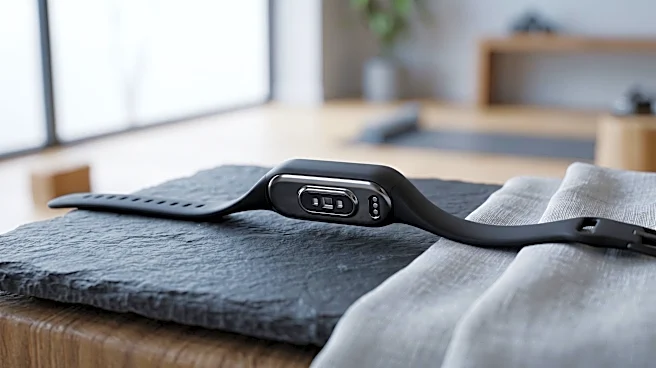
The increasing use of technology for monitoring elderly parents by caregivers is sparking a debate about the balance between safety and privacy. While tools like motion sensors, medical alert wearables, and medication apps offer reassurance to caregivers,
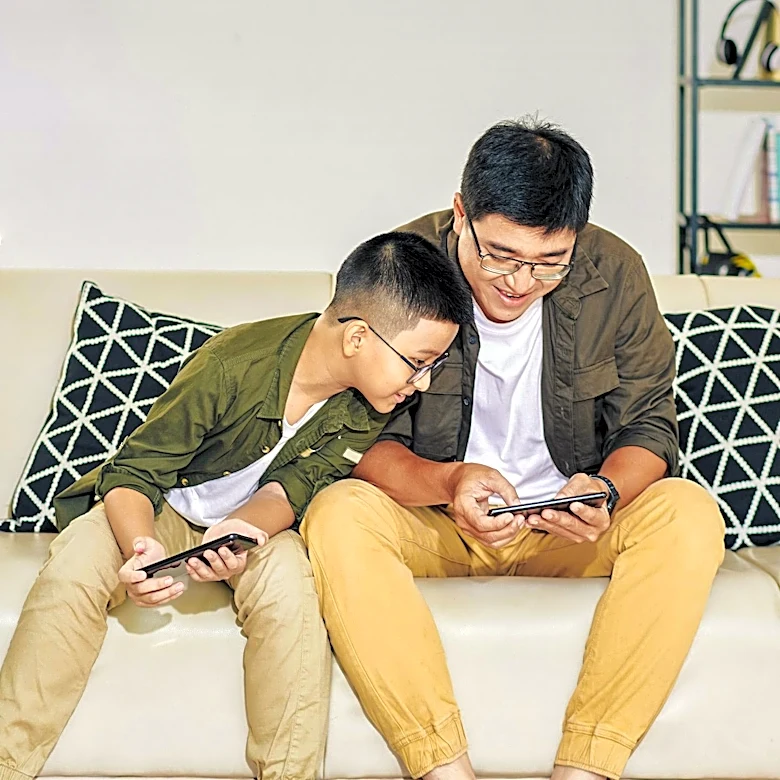
they also introduce concerns about surveillance. A February 2026 analysis indicated that family caregivers using remote monitoring tools nearly doubled from 13% in 2020 to 25% in 2025. Experts recommend choosing the least invasive tool that meets the specific need, such as a wearable emergency alert system for fall concerns rather than an always-on camera. It is crucial to involve the elderly parent in the decision-making process, explaining what information is collected and who can access it, and allowing them to decide which spaces remain camera-free. The line between safety and surveillance is often crossed when the older adult loses control over the monitoring arrangements, as highlighted by a study where adult children viewed these technologies more favorably than their mothers and underestimated their mothers' desire for participation.
Why It's Important?
This development is significant for U.S. society, particularly for the millions of family caregivers and their elderly loved ones. With 59 million Americans providing care to adults with complex medical conditions, the reliance on technology is growing. While these tools can alleviate the 'chronic stress and mental load' of caregiving, they also introduce complex ethical and legal dilemmas. The potential for technology to enhance safety, prevent falls, and ensure medication adherence is undeniable, offering peace of mind to caregivers. However, the erosion of privacy and autonomy for elderly individuals, especially those with cognitive impairments, is a critical concern. The debate highlights the need for careful consideration of individual rights, informed consent, and the psychological impact of constant monitoring. It also underscores the importance of finding solutions that prioritize the dignity and independence of older adults while still addressing legitimate safety concerns, influencing public policy discussions around elder care and technology use.
What's Next?
As technology continues to advance, the integration of monitoring tools into elder care will likely become more sophisticated, potentially incorporating AI to identify patterns that warrant attention. Future developments will need to address the current challenges by focusing on user-centric design that prioritizes the elderly individual's consent and comfort. This may involve developing more discreet monitoring solutions, enhancing data security and privacy protocols, and establishing clearer legal frameworks for the use of surveillance technology in private residences. There will likely be increased advocacy for policies that protect the rights of older adults to privacy and self-determination, even when receiving care. Furthermore, the healthcare industry and technology developers will need to collaborate to create solutions that offer genuine support and companionship, rather than just surveillance, recognizing that human connection remains paramount. Educational initiatives for both caregivers and care recipients will be essential to navigate these technologies responsibly and ethically.
Beyond the Headlines
The discussion around caregiving technology extends beyond immediate safety and privacy concerns, touching upon fundamental questions about aging, independence, and the role of technology in human relationships. The reliance on cameras and sensors, while practical, can inadvertently diminish the quality of interaction between caregivers and their loved ones, replacing personal presence with remote oversight. This shift could lead to a more transactional view of care, where efficiency is prioritized over emotional connection and companionship. The ethical implications are particularly profound for individuals with dementia or other cognitive impairments, raising questions about their capacity for consent and the extent to which their autonomy can be overridden for their perceived safety. Ultimately, the challenge lies in harnessing technology's benefits without sacrificing the human elements of care—empathy, respect, and the preservation of dignity. The long-term societal impact will depend on whether these tools are used to augment human care or to replace it, shaping future perceptions of aging and intergenerational responsibility.