



What's Happening?
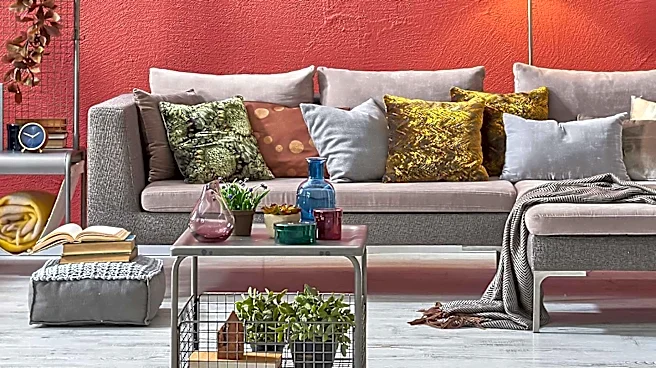
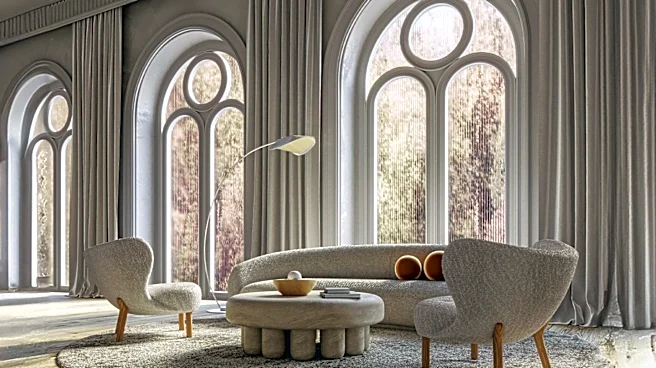
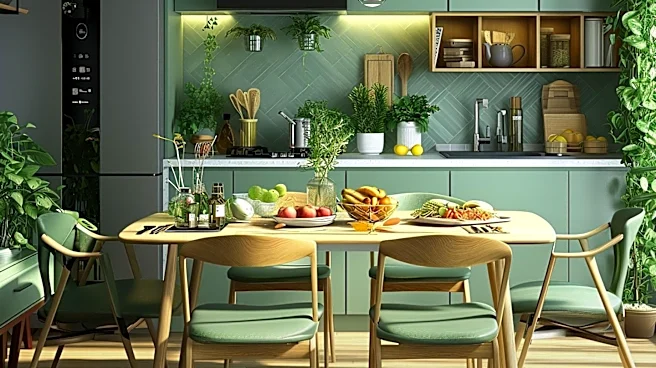
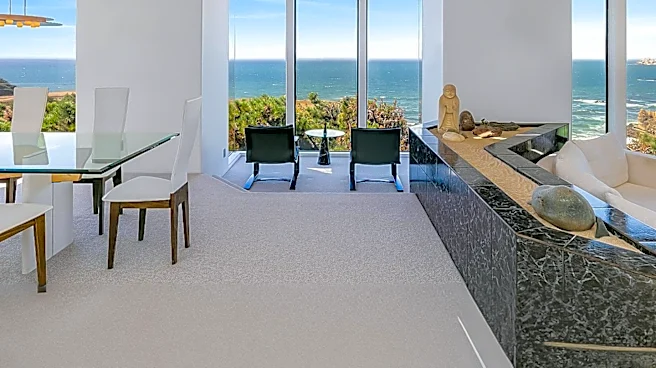
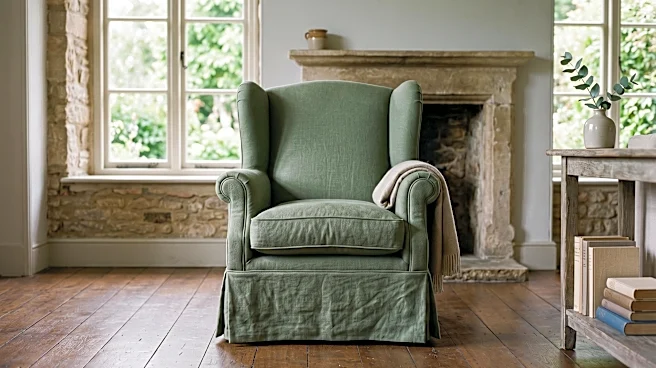
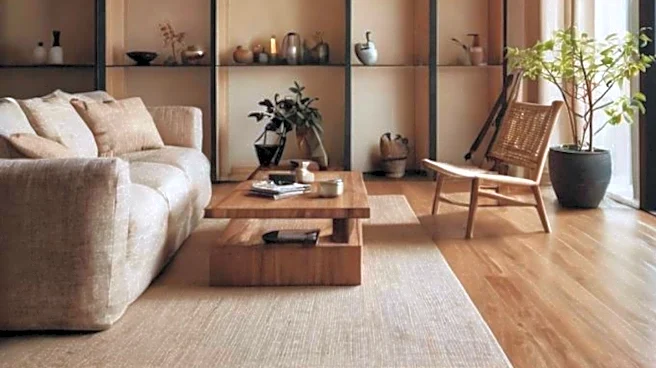
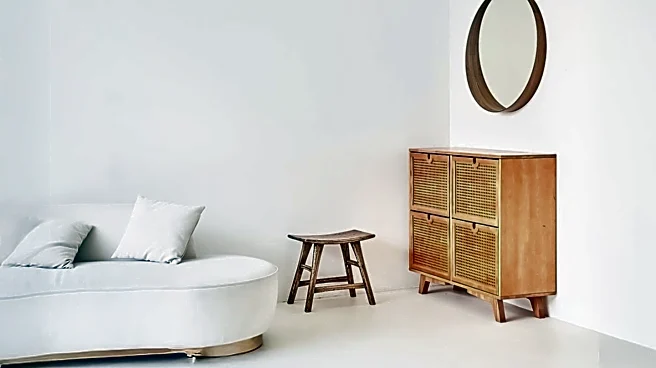
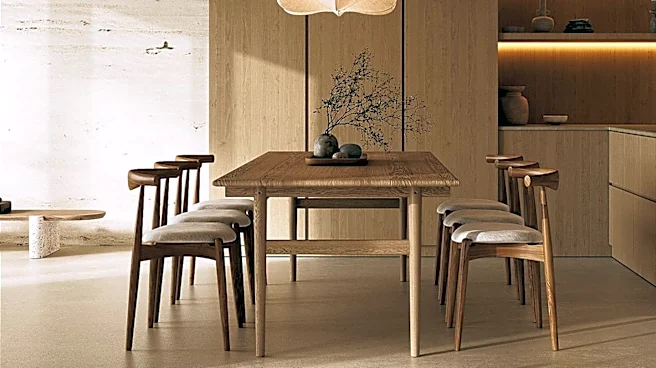
Eclectic minimalism is a new design trend that combines the varied aesthetics of eclecticism with the simplicity and intentionality of minimalism. This style incorporates multiple styles, ages, colors, and textures while maintaining a sense of spaciousness
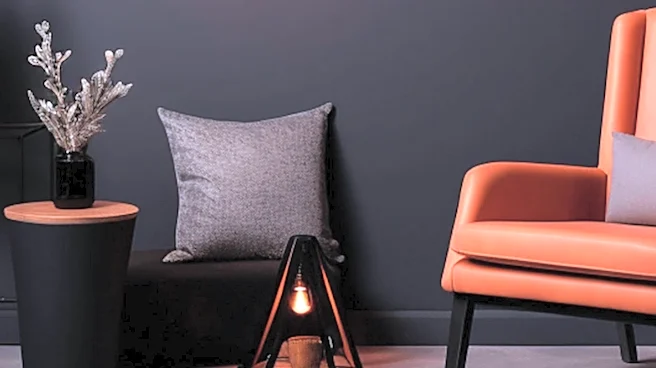
through neutral color palettes, sparse furniture, and clean lines. Erika Dale, an interior designer, explains that this trend caters to individuals who appreciate diverse designs but prefer an organized and uncluttered living space. It allows for the introduction of more color, personality, and unique elements like silhouettes and artwork, moving beyond traditional monochromatic minimalist interiors. The key is to select specific pieces that reflect personal style without overwhelming the space, distinguishing it from eclectic maximalism. The trend encourages mixing furniture from different styles and incorporating eclectic decor items such as vintage treasures and unique artwork, ensuring each piece stands out with ample negative space to prevent clutter.
Why It's Important?
This design trend is significant for the U.S. home decor and interior design industries as it reflects evolving consumer preferences. It offers a solution for a growing segment of the population that desires both personal expression and functional simplicity in their living spaces. For retailers and designers, understanding eclectic minimalism can lead to the development of new product lines and design services that cater to this hybrid aesthetic. It challenges the traditional dichotomy between minimalist and maximalist styles, suggesting a more nuanced approach to home decoration. This trend could influence furniture manufacturing, textile design, and art curation, as consumers seek pieces that are unique yet contribute to an overall sense of order. It also highlights a shift towards more intentional consumption, where each item in a home is carefully chosen for its meaning and aesthetic contribution, rather than simply filling space.
What's Next?
The adoption of eclectic minimalism is likely to grow as more consumers seek ways to personalize their homes without sacrificing a sense of calm and order. Interior designers may increasingly offer services specializing in this aesthetic, guiding clients on how to blend diverse elements cohesively. Retailers could begin curating collections that facilitate this style, offering a mix of modern, vintage, and unique artisanal pieces. Educational content, such as design blogs and magazines, will likely feature more examples and how-to guides for achieving eclectic minimalist interiors. This trend could also influence architectural design, with a focus on creating spaces that serve as versatile backdrops for varied decor. The emphasis on intentionality and personal storytelling through decor suggests a continued move away from mass-produced, generic home aesthetics towards more curated and meaningful environments.
Beyond the Headlines
Eclectic minimalism reflects broader societal values that seek balance between individuality and order, and between consumerism and mindfulness. It suggests a cultural desire to embrace personal history and diverse influences (eclecticism) while maintaining a sense of control and clarity (minimalism) in an increasingly complex world. Ethically, it promotes sustainable consumption by encouraging the use of vintage and meaningful items, reducing the demand for new, disposable decor. Aesthetically, it challenges the notion that minimalism must be stark or devoid of personality, demonstrating that simplicity can coexist with richness and character. This trend could also be seen as a response to the digital age, where people are constantly bombarded with information and visual stimuli, leading to a desire for more serene and thoughtfully arranged physical spaces that still reflect their unique identities.