
What's Happening?
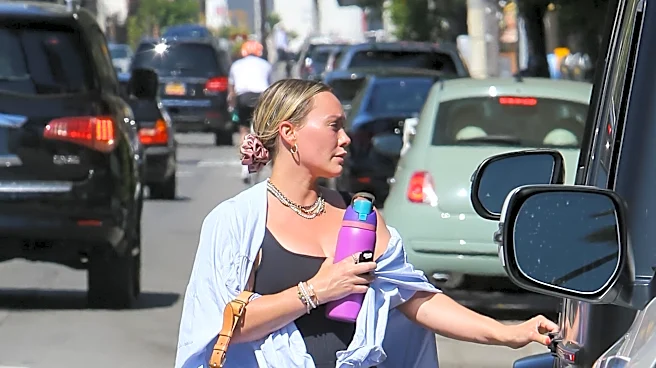
The 2026 holiday season has seen a significant influx of new music releases from a wide array of artists, with many dropping their festive projects well before December. Hilary Duff contributed to this
trend by releasing her five-track 'Holiday Things' EP on October 23. This EP features a humorous new take on 'I Want (a few small things)' and the melancholic original 'I Guess It’s Christmas.' This release marks Duff's return to holiday music 24 years after her debut holiday album, 'Santa Claus Lane.' Other artists joining the holiday music wave include Dustin Kensrue with his second holiday album 'That Spirit of Christmas,' Thalia with an expanded version of her 2024 album 'Navidad Melancólica Deluxe,' and Olivia Rodrigo with her first holiday song 'Take Me Home (4 Christmas).' Additionally, Alanis Morissette released her debut holiday album 'Good Weather for Immaculate Conception,' and Sufjan Stevens offered a new Christmas song, 'On This Christmas (It Only Gets Better),' as part of his compilation 'Worst Christmas Ever!'.
Why It's Important?
The surge in holiday music releases from diverse artists in 2026 signifies a growing trend within the music industry to capitalize on the festive season. This phenomenon allows artists to engage with their audience in a different capacity, often blending traditional holiday themes with their unique musical styles. For consumers, it offers a refreshed soundtrack for the holidays, moving beyond perennial classics and introducing new interpretations and original compositions. This trend can also be seen as a strategic move by artists to maintain visibility and generate revenue during a period of high consumer spending and media consumption. The participation of established names like Hilary Duff and Alanis Morissette, alongside newer artists like Olivia Rodrigo, indicates that holiday music is no longer a niche genre but a mainstream opportunity for artistic expression and commercial success. It also reflects a broader cultural desire for new content and experiences during traditional festive periods.
What's Next?
The continued success and popularity of these diverse holiday music releases will likely influence future trends in the music industry. If these albums and EPs perform well, it could encourage even more artists to release holiday-themed projects in subsequent years, potentially leading to a more crowded and competitive holiday music market. This trend might also prompt streaming platforms and music retailers to create more prominent features and curated playlists for new holiday content. Furthermore, the variety of genres represented, from pop and rock to Latin and indie, suggests that holiday music will continue to diversify, catering to a wider range of musical tastes. Artists may also explore more innovative ways to promote their holiday releases, such as themed concerts, special collaborations, or unique digital content.
Beyond the Headlines
The proliferation of new holiday music reflects a deeper cultural shift in how holidays are celebrated and consumed. Beyond traditional carols, there's a growing appetite for contemporary artists to put their stamp on the festive season, making holiday music a dynamic and evolving genre. This trend also highlights the commercial viability of holiday content, demonstrating that nostalgia can be effectively combined with novelty to create engaging products. The involvement of major corporations, such as Starbucks commissioning holiday tracks, further underscores the commercial power of holiday music as a marketing tool. This blend of artistic expression and commercial strategy suggests that holiday music will continue to be a significant part of the annual music calendar, offering both comfort in tradition and excitement in innovation.