







What's Happening?
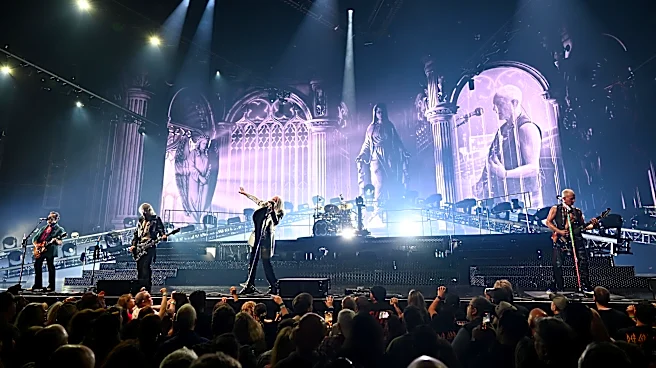
Pete Townshend, guitarist and songwriter for The Who, has adopted a more forgiving stance on his work and the band's recent performances, as observed during their 2004 Isle of Wight Festival appearance. This shift is evident in his lighthearted interactions
with the crowd and a more economical approach to his guitar solos, moving away from the extended improvisations of previous years. The band's 2004 performance, documented in 'The Who Live at the Isle of Wight 2004,' showcases a group that, despite the absence of original bassist John Entwistle, maintains a strong connection with its audience. Vocalist Roger Daltrey has adapted his singing style to conserve vocal strength, carefully selecting notes. The current lineup includes long-term collaborators such as keyboardist John 'Rabbit' Bundrick, Pete's younger brother Simon Townshend on guitar and vocals, Zak Starkey on drums, and Pino Palladino on bass. The concert featured a mix of classic hits from albums like 'Quadrophenia,' 'Who's Next,' and 'Tommy,' alongside newer material.
Why It's Important?
This evolution in Pete Townshend's approach and The Who's live performances is significant for understanding the longevity and adaptability of iconic rock bands. It demonstrates how artists can maintain relevance and engage new generations of fans while acknowledging the passage of time and changes within the band's lineup. Townshend's more economical guitar work and Daltrey's vocal adjustments highlight a pragmatic approach to performing, ensuring the band can continue to deliver powerful shows without compromising their health or the integrity of their music. The continued recognition of The Who's catalog, even with a more disciplined performance style, underscores the enduring quality of their songwriting. This also reflects a broader trend in classic rock, where bands find ways to sustain their careers through touring and engaging with an evolving audience, often attracting younger fans who discover their music.
What's Next?
As The Who continues to tour and perform, it is likely that Pete Townshend and Roger Daltrey will maintain their current performance strategies, focusing on delivering high-quality shows that balance their classic sound with their current capabilities. The band's ability to attract an increasingly younger audience suggests a sustained demand for their music, potentially leading to more live albums, concert films, or even new material that reflects their current artistic perspective. Future performances will likely continue to feature a mix of their extensive catalog, carefully curated to maximize impact while accommodating the band members' evolving styles. The ongoing engagement with their fanbase, both old and new, will be crucial for their continued success, potentially influencing other veteran artists on how to navigate long careers in the music industry.
Beyond the Headlines
The shift in Pete Townshend's perspective and The Who's performance style touches upon deeper themes of artistic legacy, adaptation, and the relationship between artists and their work over decades. Townshend's 'forgiving stance' suggests a mature reflection on his creative output, moving beyond the intense, sometimes destructive, energy of their early years. This evolution can be seen as a testament to the enduring power of music to transcend time and personal changes. It also raises questions about authenticity in performance as artists age – whether adapting to physical limitations diminishes the art, or if it represents a new form of artistic integrity. The band's continued success with a modified approach challenges the notion that rock music must always be raw and rebellious, demonstrating that a more refined and thoughtful presentation can still resonate deeply with audiences, highlighting the timeless appeal of their compositions.