







What's Happening?
Tyson Foods, the largest U.S. chicken company, is currently facing a Zacks Rank #5 (Strong Sell) due to downward trending earnings revisions. The company's latest quarterly results were mixed, with adjusted earnings of $0.99 per share, a 9% year-over-year
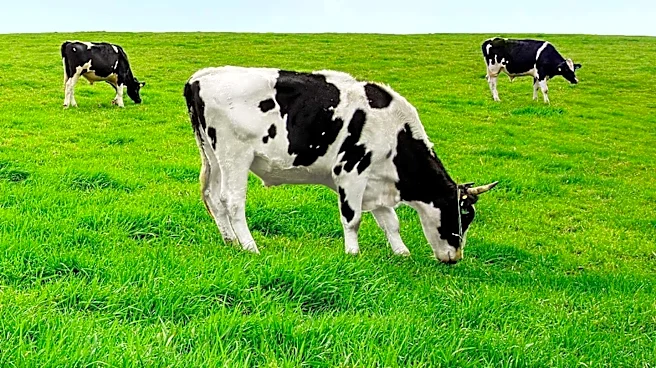
increase, but still below the Zacks Consensus estimate. Sales for the quarter were $13.9 billion, flat compared to the previous year and also falling short of expectations. A significant concern for Tyson Foods is its Beef segment, which saw sales decline to $5.4 billion despite a 12% increase in average prices. This segment is heavily impacted by tight cattle supplies and elevated cattle costs, leading to a nearly 16% year-over-year drop in beef volumes. The company recently lowered its FY26 outlook, now projecting revenue growth of 1.5% - 2% and adjusted operating income of $1.85 - $2.05 billion, citing significant margin compression from volatile cattle prices and what it describes as one of the most severe cattle shortages in U.S. history. Shares of Tyson Foods have reacted negatively, declining 13% over the last three months.
Why It's Important?
The struggles of Tyson Foods, a major player in the U.S. food industry, have significant implications for the broader economy and consumers. As the largest U.S. chicken company and a key producer of beef, pork, and prepared foods, Tyson's performance can influence food prices and supply chain stability. The 'Strong Sell' rating and negative earnings revisions signal potential instability in a critical sector. The tight cattle supplies and elevated costs directly impact the profitability of the Beef segment, which could lead to higher prices for consumers or reduced availability of beef products. This situation highlights the vulnerability of large food producers to commodity price volatility and supply chain disruptions. For investors, the negative outlook and declining share price indicate a challenging period for the company, potentially affecting investment portfolios and market confidence in the food processing sector. The company's revised FY26 outlook, reflecting significant margin compression, underscores the economic pressures faced by the industry.
What's Next?
Tyson Foods will likely continue to navigate the challenging environment of tight cattle supplies and volatile prices. The company's ability to mitigate these pressures will be crucial for its financial performance. Investors will be closely watching for any signs of improvement in the Beef segment and the overall market conditions for livestock. The lowered FY26 outlook suggests that the company anticipates these challenges to persist in the near term. Future earnings reports and guidance updates will provide further insight into Tyson Foods' strategies to address margin compression and stabilize its financial outlook. The company may explore various operational adjustments, such as optimizing its other segments like Chicken and Prepared Foods, which have shown some strength, to offset the weakness in beef. Additionally, the broader agricultural market and government policies related to livestock and food production could influence Tyson Foods' trajectory.
Beyond the Headlines
The situation at Tyson Foods extends beyond immediate financial results, touching upon broader issues within the U.S. agricultural and food systems. The 'severe cattle shortages' mentioned by Tyson Foods could be indicative of larger, systemic issues affecting livestock production, such as environmental factors, disease outbreaks, or changes in farming practices. This could lead to long-term shifts in the availability and cost of meat products, potentially influencing dietary trends and consumer choices. Furthermore, the reliance of a major food producer on specific commodities highlights the interconnectedness of the agricultural supply chain and its susceptibility to external shocks. The company's response to these challenges could set precedents for how other large food corporations adapt to similar pressures, potentially driving innovation in sustainable sourcing or alternative protein development. The ethical implications of large-scale meat production, including animal welfare and environmental impact, may also come under increased scrutiny as the industry grapples with supply and cost issues.