






What's Happening?
Spirit AeroSystems, Inc., a wholly owned subsidiary of The Boeing Company, is actively recruiting for various positions, including Production Manager in Tulsa, Oklahoma, and Entry-Level Structural Analysis Engineer and Senior Advanced Research Engineer in Wichita,
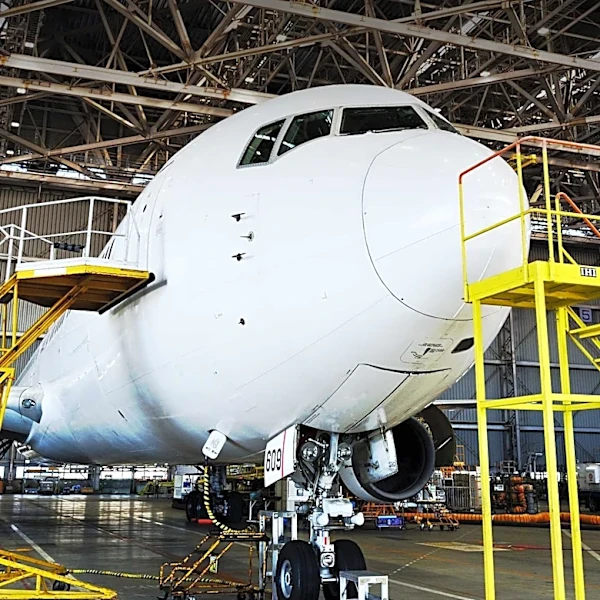
Kansas. The company specializes in manufacturing aerostructures for commercial airplanes, defense platforms, and business/regional jets. Its core products include fuselages, integrated wings and wing components, pylons, and nacelles, with a focus on innovative composite and aluminum manufacturing solutions. These roles support Spirit's Commercial Business Units, which design and build commercial aerostructures for Boeing Commercial Airplanes. The Production Manager role involves leading teams in fabricating and assembling complex aerostructures, ensuring production requirements and customer acceptance are met. The Entry-Level Structural Analysis Engineer position focuses on applying engineering principles to evaluate structural integrity and support certification efforts. The Senior Advanced Research Engineer role involves developing and applying material properties, analyzing prototype systems, and implementing concepts for metallic fabrication projects.
Why It's Important?
The recruitment drive by Spirit AeroSystems is significant for the U.S. aerospace manufacturing sector, particularly in Kansas and Oklahoma. As a key supplier to Boeing, Spirit AeroSystems' hiring directly impacts the production capacity and technological advancement of commercial and defense aircraft. The demand for skilled labor in roles such as production management and structural engineering indicates a continued need for robust manufacturing capabilities within the U.S. This expansion of the workforce can lead to job creation and economic growth in the regions where Spirit AeroSystems operates. Furthermore, the focus on advanced research engineers highlights the industry's commitment to innovation, particularly in areas like composite and aluminum manufacturing solutions, which are crucial for developing next-generation aircraft. The availability of a Kansas Aviation tax credit for new hires underscores state-level efforts to attract and retain talent in the aerospace industry, benefiting both the company and the local economy.
What's Next?
Spirit AeroSystems will continue its recruitment efforts to fill these critical roles, aiming to bolster its production and engineering capabilities. Successful candidates will contribute to the ongoing development and manufacturing of aerostructures, directly impacting the supply chain for Boeing Commercial Airplanes. The company's emphasis on advanced manufacturing techniques suggests a future focus on integrating new technologies and materials into aircraft production. This could lead to more efficient and lighter aircraft components, potentially reducing fuel consumption and operational costs for airlines. The sustained demand for these specialized skills may also encourage educational institutions in Kansas and Oklahoma to tailor their programs to meet the aerospace industry's needs, fostering a pipeline of qualified talent. Additionally, the company's commitment to a drug-free workplace and comprehensive benefits package indicates an effort to attract and retain a high-quality workforce, which is essential for maintaining its competitive edge in the aerospace market.
Beyond the Headlines
The ongoing hiring by Spirit AeroSystems reflects broader trends in the U.S. aerospace industry, including a push for advanced manufacturing and a strong emphasis on supply chain resilience. The company's role as a subsidiary of Boeing highlights the intricate and interdependent nature of the aerospace ecosystem, where the success of major manufacturers relies heavily on the capabilities of their suppliers. The investment in research and development, particularly in metallic fabrication and composite materials, points towards a long-term strategic vision for aerospace innovation. This focus on cutting-edge technology is not only about improving aircraft performance but also about maintaining a competitive advantage against international rivals. The availability of tax credits for aviation professionals in Kansas also underscores the strategic importance of the aerospace sector to state economies, demonstrating how local governments are actively working to support and grow this high-value industry. This symbiotic relationship between industry, government, and education is crucial for sustaining the U.S.'s leadership in aerospace manufacturing.