






What's Happening?
HealthTrust, through an article by Krista Bouchard, is highlighting the significant impact that simple stretching can have on employee well-being and workplace culture. The organization emphasizes that while traditional wellness initiatives often focus
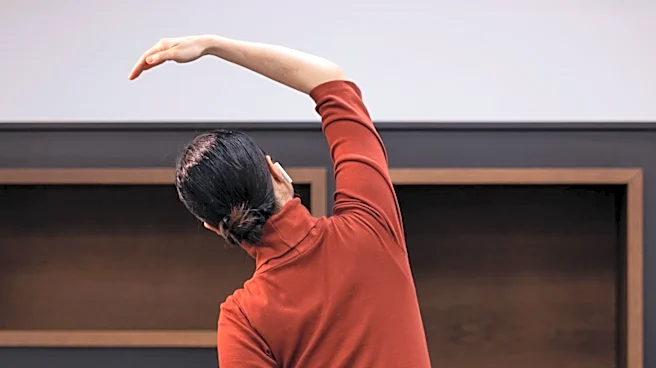
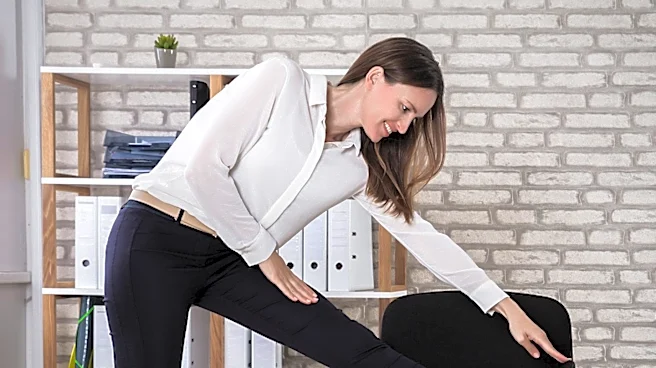
on nutrition, exercise, and mental health, incorporating regular stretching into the workday offers meaningful benefits. These benefits include reducing the risk of injury by preparing muscles for movement and supporting safer work habits, especially for physically demanding tasks or after prolonged inactivity. Stretching also aids in stress management by relieving muscle tension, encouraging mindful breathing, and providing mental resets during busy periods. Furthermore, it improves comfort and mobility by alleviating muscle tightness and stiffness caused by hours of sitting, standing, or repetitive tasks, thereby supporting better posture and reducing physical discomfort. HealthTrust suggests that leaders can encourage stretching through simple strategies like starting meetings with a one-minute stretch break, promoting standing and stretching after every hour of sitting, sharing stretching resources, modeling the behavior, and incorporating movement into wellness challenges.
Why It's Important?
This initiative is important for U.S. businesses and employees as it addresses common workplace health issues that can lead to decreased productivity, increased healthcare costs, and lower employee morale. Musculoskeletal injuries are a significant concern in many industries, and promoting stretching can serve as a cost-effective preventative measure. By reducing injury risk and easing everyday muscle tension, companies can potentially see a decrease in workers' compensation claims and lost workdays. The emphasis on stress management through stretching also aligns with growing concerns about employee mental health and burnout, offering a simple tool for mental rejuvenation. For employees, improved comfort, mobility, and reduced stress contribute to a better quality of life both at work and outside of it. This approach fosters a healthier, more supportive workplace culture, demonstrating that employers prioritize their employees' physical and mental well-being, which can enhance employee retention and engagement.
What's Next?
The recommendations from HealthTrust suggest a shift towards integrating simple, accessible wellness practices directly into the daily work routine. Leaders are encouraged to implement practical strategies such as short stretch breaks during meetings or after periods of sitting. This could lead to more widespread adoption of similar initiatives across various sectors, from office environments to physically demanding workplaces. The focus will likely be on educating both employers and employees about the benefits of stretching and providing easy-to-use resources. Companies might explore incorporating stretching into their existing wellness programs or developing new, low-cost interventions. The long-term goal is to build healthy habits that support physical health and reduce the impact of sedentary work or repetitive movements, ultimately contributing to a more resilient and productive workforce.
Beyond the Headlines
The promotion of workplace stretching by HealthTrust delves into the deeper implications of corporate responsibility for employee well-being. It highlights a growing recognition that employee health extends beyond traditional benefits packages to encompass daily work practices and environment. This initiative touches upon the ethical dimension of creating a supportive work culture where employees feel valued and cared for, potentially leading to higher job satisfaction and loyalty. Culturally, it challenges the notion that work must be a purely sedentary or physically demanding activity without integrated self-care. It encourages a more mindful approach to work, where brief pauses for physical and mental rejuvenation are seen as productive rather than disruptive. This could contribute to a broader societal shift towards prioritizing holistic well-being in professional settings, influencing architectural designs of workspaces, and the development of new workplace wellness technologies and programs.