
What's Happening?
Coca-Cola has brought back two of its discontinued beverage brands, Five Alive and Delaware Punch, for a limited appearance at the World of Coca-Cola in Atlanta, Georgia. This revival offers nostalgic
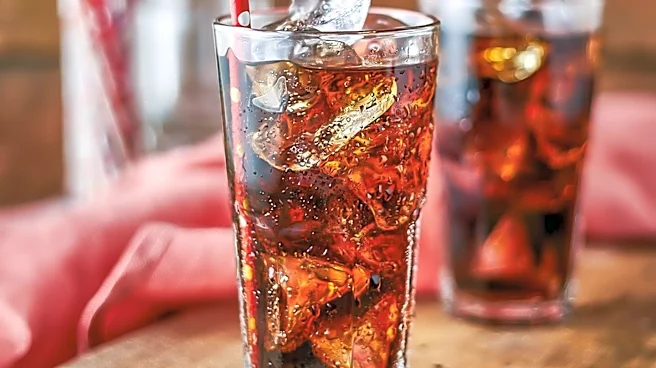
fans a chance to taste these retro favorites once more. However, there's a significant caveat: these aren't the exact original formulations. Five Alive is being served as a Fanta-based creation through a Freestyle machine, differing from its original non-carbonated juice drink form. Similarly, Delaware Punch is also dispensed via the Freestyle system, rather than returning to stores in its traditional bottled format. Delaware Punch, originally created in 1913, was known for its non-carbonated, caffeine-free, sweet fruit-punch taste with a strong grape flavor, popular in Texas and the South before its discontinuation in 2020. Five Alive, a Minute Maid beverage, was a blend of five fruit juices, popular in the U.S. in the late 1970s and 1980s, and is still sold in Canada and other international markets.
Why It's Important?
This move by Coca-Cola taps into the powerful consumer sentiment of nostalgia, a significant driver in the food and beverage industry. By reintroducing these beloved, albeit altered, drinks, Coca-Cola aims to generate excitement and engagement among long-time fans and potentially introduce these flavors to a new generation. While the limited availability and modified formulations might disappoint some purists, it serves as a strategic marketing tool, creating buzz and drawing visitors to the World of Coca-Cola attraction. This strategy allows the company to test the waters for potential broader reintroductions without the full commitment of a nationwide launch and manufacturing of original recipes. It also highlights the company's extensive portfolio and its ability to leverage its history for contemporary consumer interest.
What's Next?
The current reintroduction of Five Alive and Delaware Punch is confined to the World of Coca-Cola in Atlanta, suggesting it's primarily an experiential and marketing initiative. The company will likely gauge public reaction and demand from this limited release. If the response is overwhelmingly positive, Coca-Cola might consider a wider, albeit still potentially modified, re-release of these brands. However, given the current Freestyle machine format, a full return to bottled or canned versions with original recipes is not guaranteed. This approach allows Coca-Cola flexibility to experiment with consumer preferences for retro brands in a controlled environment before making larger production and distribution decisions. It also sets a precedent for how other discontinued brands might be 'revived' in the future.
Beyond the Headlines
The phenomenon of bringing back discontinued products, especially in the food and beverage sector, reflects a broader cultural yearning for the past and a sense of comfort in familiar tastes. In an era of rapid change and constant innovation, brands often find success by offering consumers a tangible link to their personal histories. This strategy also underscores the evolving nature of product development and consumer engagement, where experiences and emotional connections can be as valuable as the product itself. The use of Freestyle machines for these revivals also points to a future where customization and on-demand beverage creation could become more prevalent, allowing companies to offer a wider array of niche or nostalgic options without the complexities of traditional mass production and distribution.