
What's Happening?
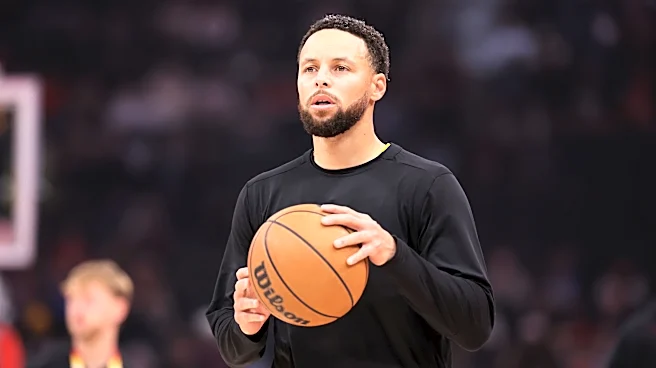
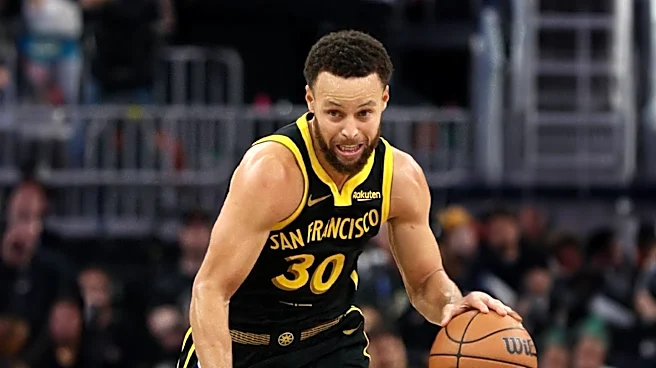
Golden State Warriors superstar Stephen Curry has indicated that his current two-year, $116 million contract extension, which runs through the 2028-29 season, might be his final NBA deal. The 38-year-old guard, currently sidelined with a right oblique
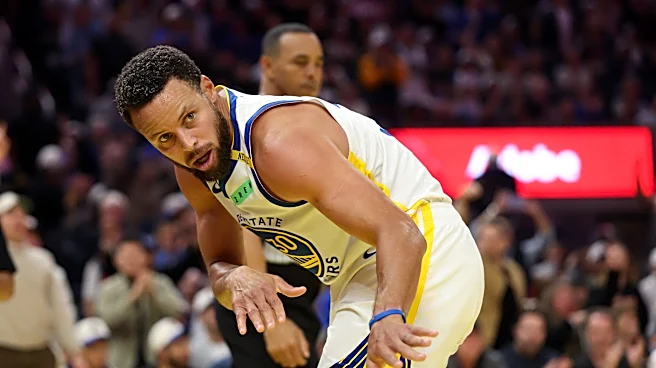
abdominal tear, shared these sentiments with ESPN's Anthony Slater. Curry's comments reflect a growing awareness of his 'basketball mortality,' influenced by recent injuries, including a significant knee issue last season that kept him out for 27 games due to patellofemoral pain syndrome. He noted that the physical toll of the game, particularly the demanding offseason rehabilitation processes, plays a significant role in his consideration of retirement. Despite his age and injuries, Curry was performing at an MVP level before his current oblique tear, averaging 27.8 points, 3.7 rebounds, and 3.9 assists in 10 games this season. The Warriors have struggled in his absence, highlighting his continued importance to the team.
Why It's Important?
Stephen Curry's potential retirement after his current contract marks a significant turning point for the Golden State Warriors franchise and the NBA. As one of the league's most influential players, his departure would signal the end of an era characterized by multiple championships and a revolutionary style of play. For the Warriors, this means an accelerated timeline for future planning, including player development and potential roster overhauls to remain competitive post-Curry. The team's recent struggles without him underscore his irreplaceable value, both on the court as a scorer and playmaker, and as a leader. His comments also highlight the increasing physical demands on aging athletes in professional sports, prompting broader discussions about player longevity, injury management, and the mental and physical toll of sustained elite performance. The NBA would lose one of its most marketable stars, impacting viewership and league narratives.
What's Next?
Stephen Curry is expected to miss several weeks due to his oblique injury, with a re-evaluation scheduled. His immediate focus will be on rehabilitation to return to the court and help the Warriors navigate the current season. Looking ahead, his performance and health in the coming seasons will be closely monitored, as they will likely dictate the final timeline of his career. The Warriors front office will undoubtedly be strategizing for a future without Curry, potentially exploring trades or draft picks to secure foundational pieces for the post-Curry era. While Curry has expressed a desire to play 20 seasons, his recent statements suggest a more pragmatic approach based on his physical condition. Fans and analysts will be watching for any further indications from Curry regarding his long-term plans, as well as how the Warriors adapt to the eventual transition.
Beyond the Headlines
Curry's contemplation of retirement extends beyond typical athlete career planning, touching on themes of legacy, physical decline, and the psychological impact of aging in a high-performance environment. His candidness about 'basketball mortality' offers a rare glimpse into the internal struggles of elite athletes facing the inevitable end of their playing days. This narrative resonates with broader societal discussions about aging and career transitions, particularly in physically demanding professions. Ethically, it raises questions about the pressures on athletes to perform despite chronic injuries and the long-term health implications. Culturally, Curry's eventual retirement will mark a significant shift in the NBA, as he has been a defining figure for over a decade, influencing everything from offensive strategies to youth basketball. His departure will prompt reflection on his unique impact on the game and the void he leaves behind.