




What's Happening?
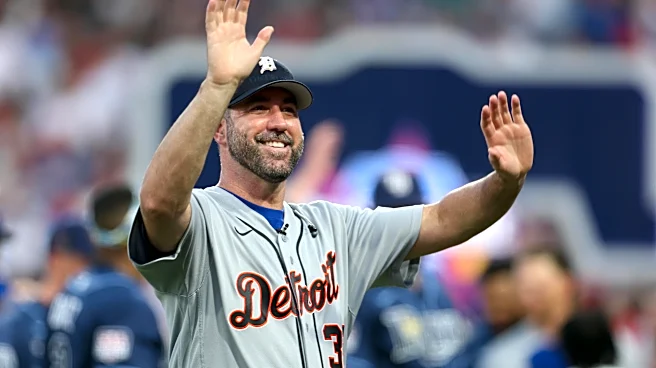
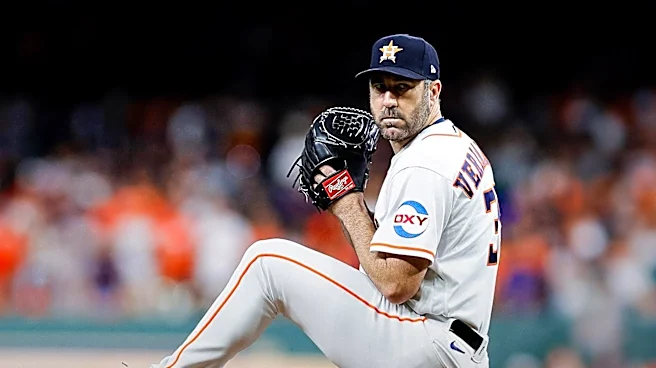
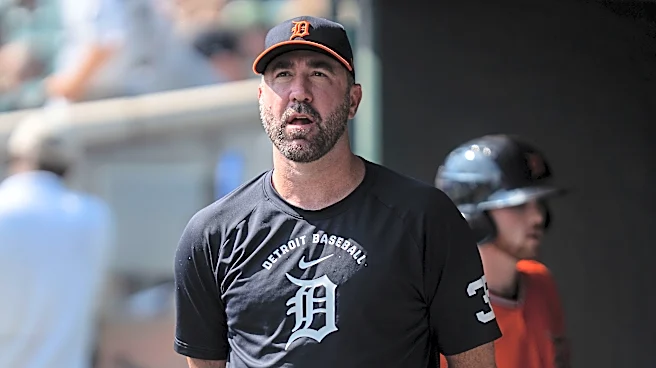
Justin Verlander, a prominent figure in Major League Baseball for two decades, is approaching the end of his storied career. His journey, which began and is set to conclude in Detroit, has been marked by numerous achievements, including multiple no-hitters,
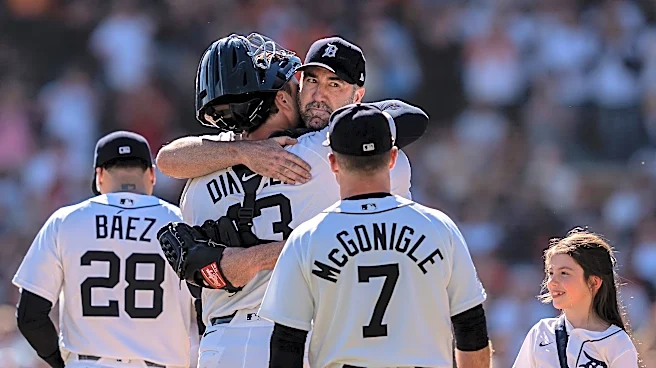
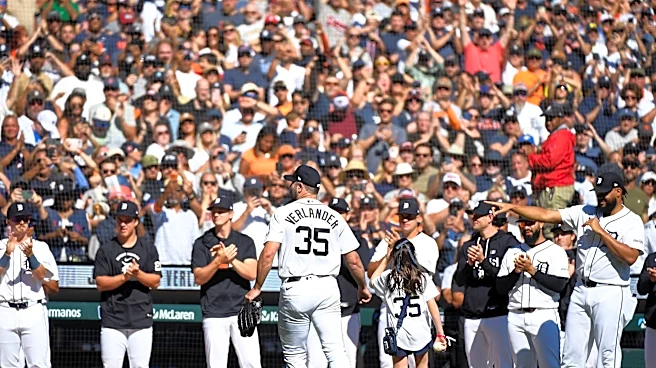
an MVP season in 2011, and a Cy Young Award at age 39 after returning from Tommy John surgery. Verlander's career has seen him lead the Detroit Tigers to significant success and later contribute to the Houston Astros' first World Series title. Fans and sports writers are reflecting on his impact, noting his consistent performance and ability to remain a top-tier pitcher well into his 40s. His final start is anticipated to be an emotional event, with many expecting a standing ovation as he exits the game for the last time.
Why It's Important?
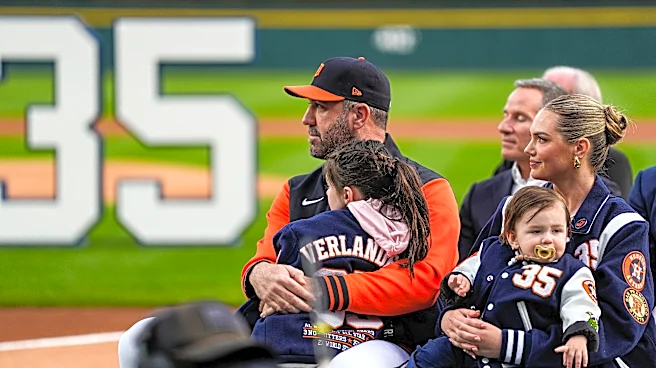
Verlander's career is significant for its longevity and sustained excellence in an era where pitching careers are often shorter due to injuries and the demands of the game. His ability to adapt and return from major surgery to win a Cy Young Award highlights his dedication and resilience, serving as an inspiration within professional sports. For the Detroit Tigers, he represents a golden era, bringing fans back to baseball and creating lasting memories. His impact extends beyond statistics, fostering a deep connection with the fan base and influencing a generation of players and enthusiasts. His retirement marks the end of an era for many who grew up watching him, underscoring the personal connection fans develop with athletes over long careers.
What's Next?
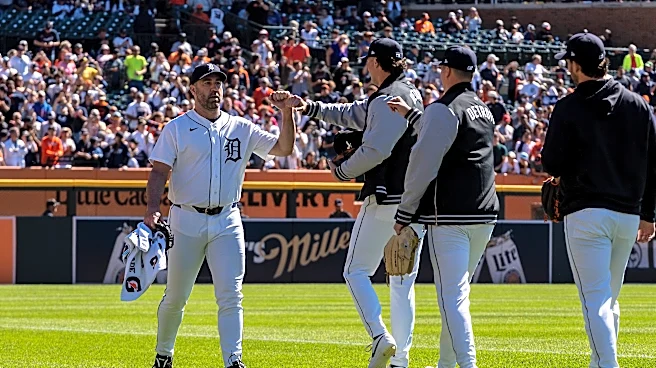
Verlander is scheduled to make his final career start, which is expected to be a highly emotional event for fans and the baseball community. Following his retirement, discussions will likely focus on his legacy and his inevitable induction into the Hall of Fame. The question of whether he will enter the Hall of Fame as a Detroit Tiger, given his significant contributions to the team, will be a point of interest. His post-playing career could involve various roles within baseball, such as coaching, broadcasting, or advisory positions, leveraging his extensive experience and knowledge of the game. His departure will also open up a significant void in the pitching landscape, prompting teams to seek new talent to fill the shoes of such a dominant and consistent performer.
Beyond the Headlines
Verlander's career transcends mere athletic achievement, offering insights into the evolving nature of professional sports, particularly the advancements in sports medicine and training that allow athletes to extend their careers. His journey from a young, fire-breathing rookie to a seasoned veteran who overcame significant injury reflects broader themes of perseverance and adaptation. The emotional connection fans feel to his retirement underscores the cultural role of sports figures in society, acting as touchstones for personal memories and shared experiences. His story also highlights the business aspect of baseball, with discussions around contracts, trades, and the financial implications of a player's performance and longevity. His influence on younger players and the strategic approaches of teams will likely be studied for years to come.