







What's Happening?
Bangladesh's ready-made garment (RMG) industry, which accounts for nearly 85% of the country's total export earnings, is at a critical juncture. The sector is facing challenges due to its impending graduation from the Least Developed Country (LDC) category
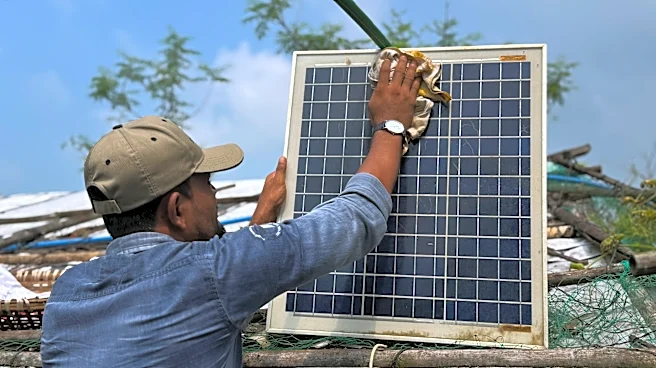
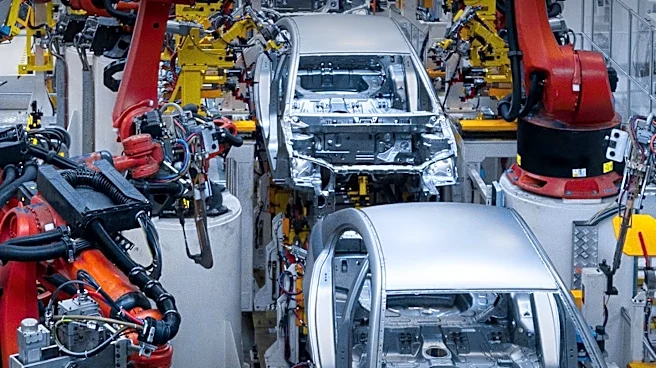
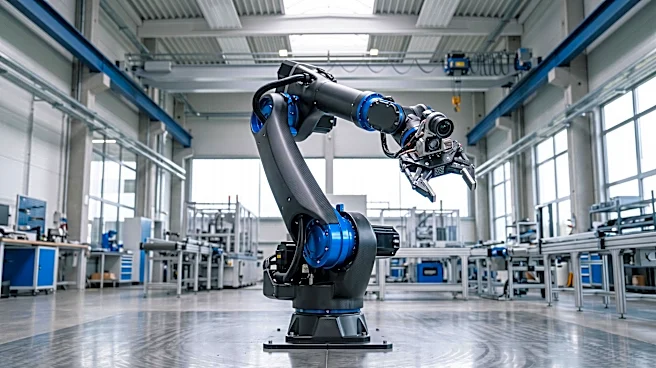
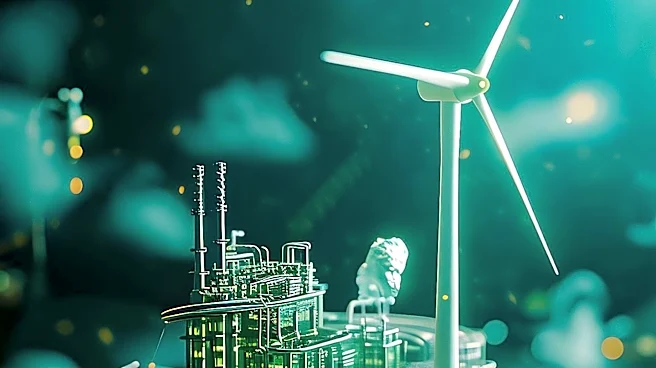
in 2026, rising minimum wages, and global inflation. The traditional reliance on 'cheap labor' is no longer sustainable for global competitiveness. To maintain its position in the global market, the industry must adopt a strategic roadmap focusing on technology and green manufacturing. This includes expanding green factories that comply with international standards like Leadership in Energy and Environmental Design (LEED), reskilling and upskilling the workforce for robotics and automated machinery, and moving into higher-value product segments beyond basic items like T-shirts and trousers. The industry also grapples with gas and electricity shortages, necessitating an expansion of solar power use and the adoption of Zero Liquid Discharge and Effluent Treatment Plant (ETP) technologies.
Why It's Important?
The transformation of Bangladesh's garment industry holds significant implications for global supply chains and the apparel market. As global brands increasingly demand environmentally sustainable garments, Bangladesh's shift towards green manufacturing could establish it as a key hub for such production, influencing sourcing decisions worldwide. The adoption of advanced technologies like robotics, AI, and automated systems will not only improve productivity and quality but also address the rising labor costs and geopolitical pressures affecting supply chains. This move could redefine the 'Made in Bangladesh' label from a 'low-cost producer' to a provider of safe, sustainable, and high-quality garments. For U.S. businesses and consumers, this could mean a more diverse and ethically produced range of apparel options, potentially impacting pricing and sustainability standards across the industry. The industry's ability to adapt will determine its future competitiveness and its role in the global fashion landscape.
What's Next?
Bangladesh's garment industry is expected to implement a clear and strategic roadmap to embrace technology and green manufacturing. This will involve significant investment in modern machinery, workforce development, and the expansion of green factories. Public-private partnerships (PPPs) are anticipated to establish specialized training institutes for workers in robotics, digital pattern-making, and automated machinery operation. Low-interest bank loans may be made available to help small and medium-sized factories transition to green manufacturing. The industry will also focus on moving beyond basic products to higher-value segments like sportswear and technical textiles, and increasing the use of man-made fibers. Efforts to overcome gas and electricity shortages will include expanding solar power and ensuring 100% adoption of Zero Liquid Discharge and Effluent Treatment Plant (ETP) technologies. The creation of 'RMG Skill Development Hubs' through initiatives involving industry associations and government technical education institutions is also planned.
Beyond the Headlines
The shift in Bangladesh's garment industry reflects a broader global trend towards sustainable and technologically advanced manufacturing, driven by consumer demand, environmental regulations, and the Fourth Industrial Revolution. This transformation presents ethical and social implications, particularly concerning potential job displacement for conventional factory workers due to increased automation. However, it also promises the creation of new, higher-income employment opportunities for skilled technicians and technology professionals. The emphasis on green manufacturing addresses critical environmental concerns, promoting energy conservation, reduced carbon emissions, and sustainable resource use. This evolution could set a precedent for other developing nations heavily reliant on labor-intensive industries, demonstrating a pathway to economic growth that integrates environmental responsibility and technological innovation. The long-term success of this transition will depend on effective policy implementation, sustained investment, and robust public-private collaboration.