






What's Happening?
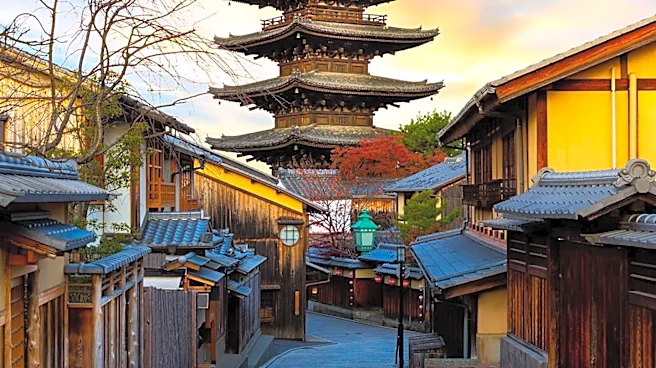
Kyoto, Japan, is a city celebrated for its deep cultural heritage and scenic beauty, attracting visitors with a diverse range of attractions. Key sites include the iconic Kiyomizu-dera Temple, a UNESCO site known for its grand wooden terrace and sweeping
city views, and the serene Kinkaku-ji Temple. The bustling Gion district offers a glimpse into traditional Japanese culture with its teahouses and historic alleyways like Sannenzaka and Ninenzaka. Visitors can engage in unique experiences such as immersive digital art at Teamlabs Biovortex Kyoto, ninja and samurai experiences, and traditional tea ceremonies. The city also features natural attractions like the Monkey Park Iwatayama, home to over 170 Japanese macaque monkeys. Accommodations range from authentic tatami mat experiences at places like Ryokan Luck You Kyoto to modern hotels, catering to various preferences. Chishaku-in, a Shingon Buddhist temple, offers magnificent traditional paintings and scenic gardens, particularly stunning when its azaleas bloom in late April and early May. The city's blend of historical sites, cultural activities, and natural landscapes makes it a comprehensive destination for travelers.
Why It's Important?
Kyoto's enduring appeal as a global tourist destination significantly contributes to Japan's tourism economy, drawing visitors interested in its unique cultural offerings. The preservation and promotion of sites like Kiyomizu-dera Temple and Kinkaku-ji Temple, along with traditional districts such as Gion, help maintain and showcase Japan's rich history and artistic traditions. The variety of experiences, from historical temple visits to modern digital art installations and interactive cultural activities like ninja and samurai experiences, caters to a broad international audience, fostering cross-cultural understanding and appreciation. The emphasis on authentic experiences, such as staying in ryokans with tatami mats and participating in tea ceremonies, provides a deeper immersion into Japanese lifestyle. This sustained tourism also supports local businesses, from traditional teahouses and souvenir shops to hotels and tour operators, contributing to economic stability and job creation in the region. The city's ability to blend ancient traditions with contemporary attractions ensures its relevance and attractiveness in the competitive global tourism market.
What's Next?
For visitors planning a trip to Kyoto, a 3-day itinerary is often recommended to cover its major attractions, including famous temples, local cuisine, and shopping opportunities. Travelers are advised to visit popular sites early in the morning for a more peaceful experience and better photo opportunities, especially during peak seasons like cherry blossom (late March to mid-April) and autumn foliage (November). Booking accommodations well in advance is crucial during these busy periods due to high demand. The city continues to offer diverse lodging options, from luxury hotels to traditional ryokans, with recommendations often varying based on desired atmosphere and convenience. For instance, Downtown Kyoto is suggested for convenience and access to restaurants, while Southern Higashiyama is preferred for a traditional atmosphere. Ongoing efforts will likely focus on managing tourist flow to preserve the city's charm while enhancing visitor experiences through curated tours and activities.
Beyond the Headlines
Kyoto's commitment to preserving its historical and cultural integrity while embracing modern tourism presents a delicate balance. The city's designation as a UNESCO World Heritage site for many of its temples underscores its global significance and the responsibility to protect these treasures. The integration of traditional practices, such as sutra copying and meditation sessions at temples like Chishaku-in, into tourist offerings allows for a deeper, more reflective engagement with Japanese spirituality. This approach moves beyond superficial sightseeing, offering visitors a chance for personal growth and cultural education. The challenge lies in managing the impact of tourism on local communities and infrastructure, ensuring that the influx of visitors does not erode the very essence that makes Kyoto unique. Sustainable tourism practices and respectful engagement with local customs will be vital for Kyoto to continue thriving as a cultural beacon, offering both economic benefits and profound cultural experiences.