

What's Happening?
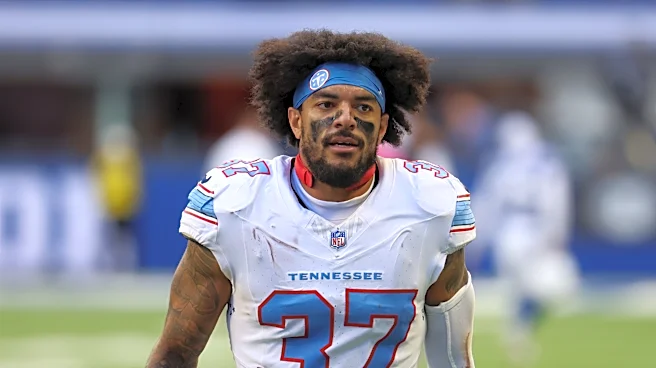
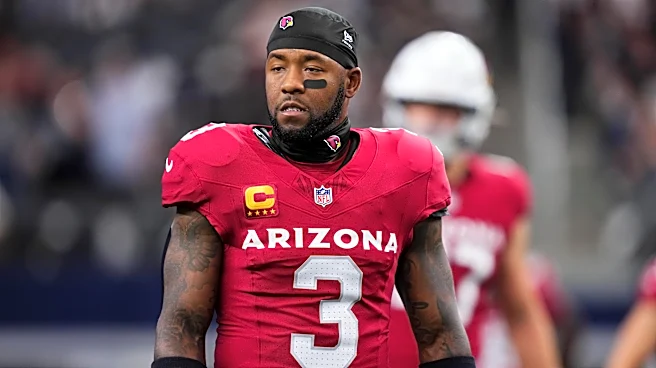
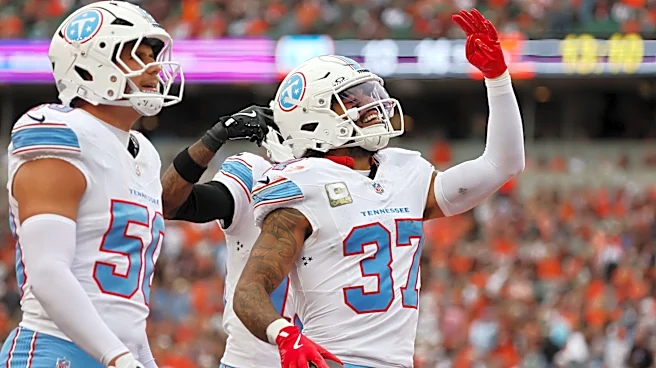
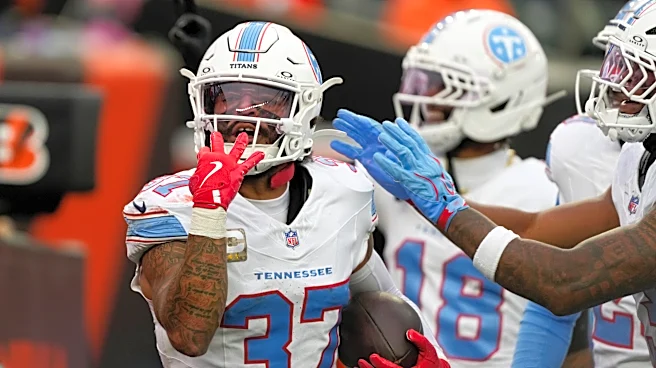
The Tennessee Titans have traded safety Amani Hooker to the Buffalo Bills. This move comes after the Titans were not actively shopping Hooker, but engaged in discussions once the Bills, after being turned down by the Arizona Cardinals for another player,
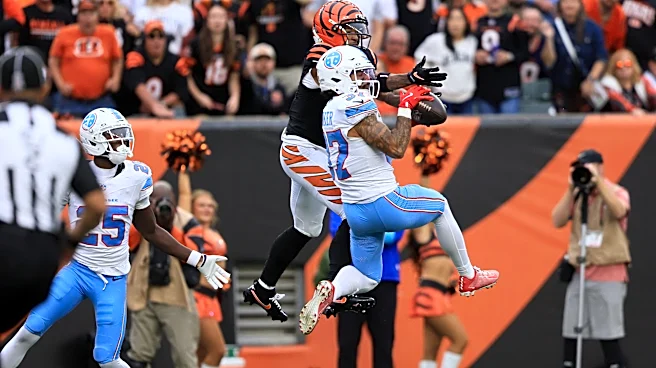
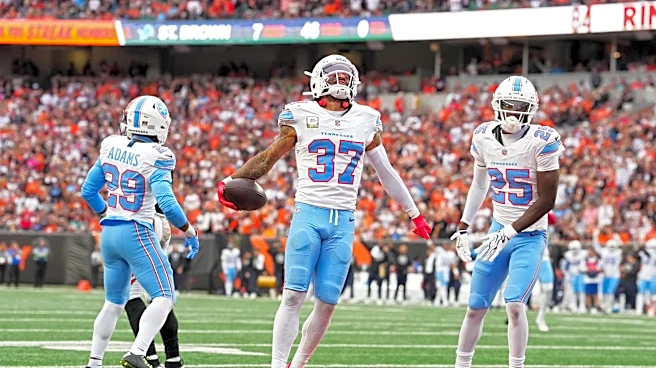
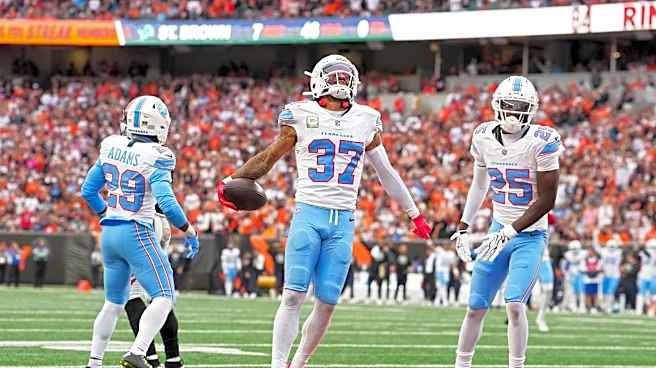
shifted their focus to Hooker. Hooker leads the NFL with five interceptions, including three against Joe Burrow in a recent game. The Titans viewed this as an opportune moment to trade Hooker, whose stock had significantly risen, reaching a peak not seen since the Kevin Byard era. His contract, which was the first non-draft, non-free agency move by GM Mike Borgonzi, was also a factor, as his performance last season had not fully justified it. The trade aligns with the Titans' apparent strategy of re-evaluating their roster, as Hooker, from the same draft class as Jeffery Simmons, had a timeline increasingly out of sync with the team's competitive window.
Why It's Important?
This trade signifies a strategic shift for the Tennessee Titans, indicating a potential rebuilding phase or a focus on acquiring future assets. By trading a high-performing player like Hooker at the peak of his market value, the Titans are prioritizing long-term roster construction and draft capital. For the Buffalo Bills, acquiring Hooker strengthens their defense, particularly in the secondary, and provides a player with a proven ability to create turnovers, which could be crucial in potential AFC Championship matchups. The trade also impacts the safety market, as the Titans considered the Jaguars-Bates deal as a benchmark, influencing the perceived value of top safeties in the league. This move will likely lead to increased roles for younger safeties on the Titans' roster, such as Kevin Winston and Tony Adams.
What's Next?
For the Titans, the immediate future involves integrating younger players into elevated roles within the defense. Kevin Winston and Tony Adams are expected to take on more significant responsibilities at safety. The team will also focus on developing its young defensive pieces, including Keldric Faulk, Femi Oladejo, Anthony Hill, and Cedric Gray. The Titans now possess a substantial 'war chest' of draft picks, with nine top-100 picks and 12 picks in the first four rounds over the next two drafts, which will be crucial for their rebuilding efforts. For the Bills, Hooker's integration into their defensive scheme will be a priority as they aim to bolster their Super Bowl contention. The long-term implications for both teams will unfold in subsequent draft classes and free agency periods.
Beyond the Headlines
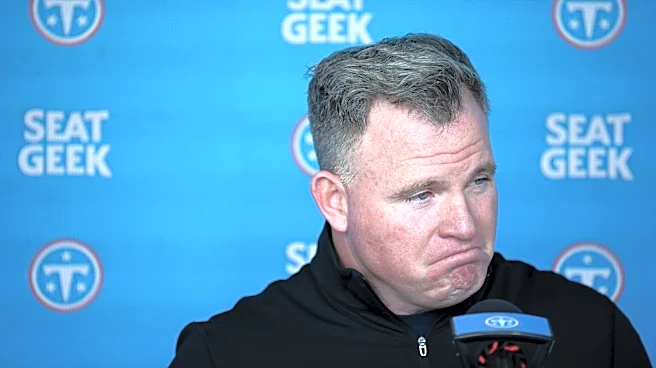
The decision to trade a player like Amani Hooker, who was performing at a high level and had recently taken on a leadership role, suggests a calculated, long-term vision from the Titans' front office. This move, following the trade of Jeffery Simmons, indicates a clear commitment to a strategic overhaul rather than short-term competitiveness. It also highlights the complex balance between player performance, contract value, and team competitive windows in NFL roster management. The accumulation of draft capital suggests a belief in building through the draft, which can be a more sustainable model for long-term success but often requires patience. The trade also raises questions about the job security of GM Mike Borgonzi, as the success of this strategy will largely define his tenure, despite current indications of front office confidence.