



What's Happening?
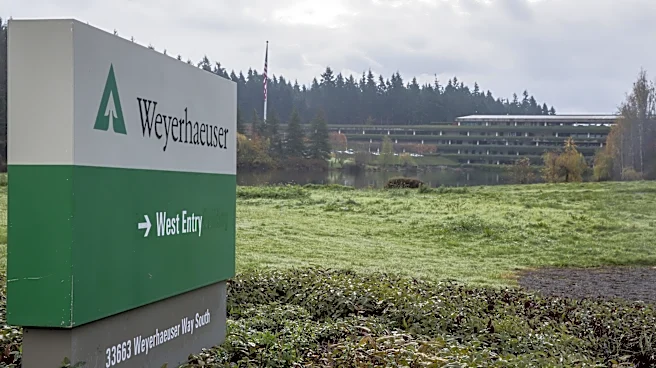
Weyerhaeuser, a prominent timberland REIT, has evolved its business model beyond traditional timber harvesting to encompass manufacturing, distribution, and various land-based ventures. Initially established in 1900, the company learned early lessons
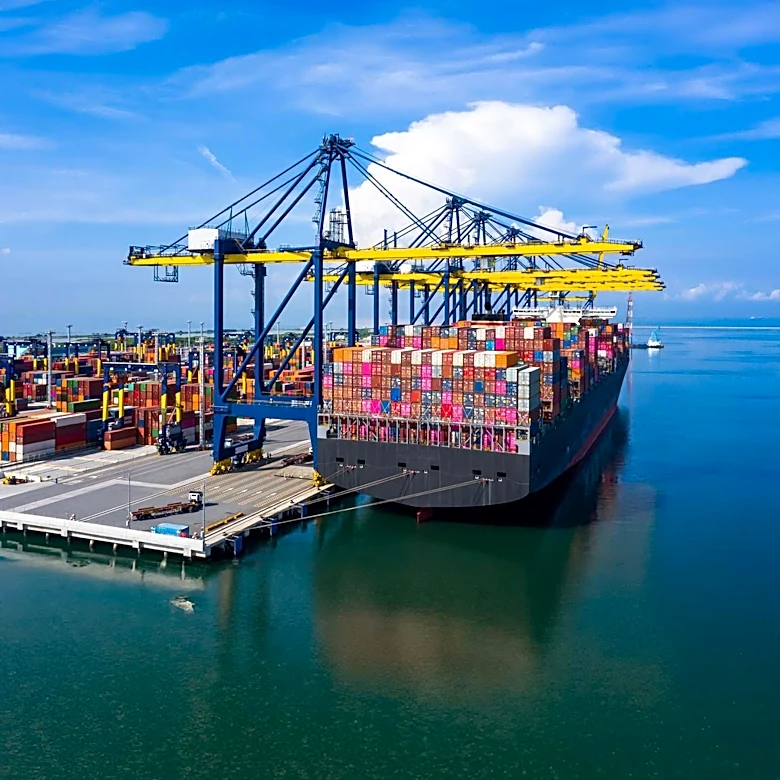
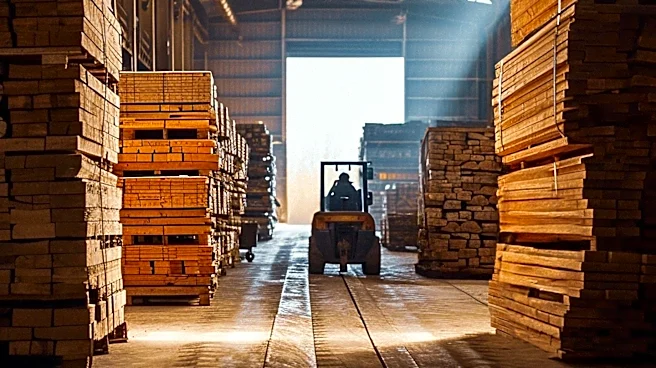
in land management, leading it to integrate logging and manufacturing. Today, Weyerhaeuser grows timber, produces building materials like engineered joists and structural lumber, and distributes these products to a diverse customer base including builders, dealers, and industrial buyers. The company also actively seeks additional value from its extensive land holdings through recreational leases, real estate sales, natural resource management, and climate solutions, such as carbon storage projects. This diversification is exemplified by its Strategic Land Solutions segment, introduced in 2026, which explores opportunities like subsurface pore space leasing for carbon development, as seen in a 2022 agreement in Louisiana. Weyerhaeuser also engages in joint ventures, such as TerraForge Biocarbon Solutions, to convert wood fiber into biocarbon for metals production, with the first facility expected in 2027.
Why It's Important?
Weyerhaeuser's diversified approach is significant for the U.S. building materials industry and land management sectors. By integrating timberland ownership with manufacturing and distribution, the company provides a consistent supply of wood products, crucial for the construction industry which often faces unpredictable material availability. This model helps stabilize supply chains and offers builders reliable, engineered wood products designed for specific structural needs. Furthermore, the company's expansion into climate solutions, like carbon storage and biocarbon production, positions it as a player in the growing green economy, potentially influencing sustainable land use practices and contributing to carbon reduction efforts. This strategy also demonstrates how traditional resource-based companies can adapt to new market demands and environmental considerations, creating new revenue streams and enhancing the long-term value of their assets. The focus on maximizing value from each acre, whether for timber, recreation, or environmental services, sets a precedent for integrated land management.
What's Next?
Weyerhaeuser is continuing to innovate within its core and new business segments. The company is developing new products, such as ProPanel floor panels and AeroStrand laminated strand lumber with pre-cut openings, which were previewed in early 2026. The TerraForge Biocarbon Solutions joint venture is expected to bring its first facility online in 2027, marking a significant step in converting wood fiber into biocarbon for industrial use. Further development of carbon storage projects, like the one in Louisiana, will depend on geological suitability and project advancement through regulatory processes. Weyerhaeuser's 2030 growth plan includes a target of $500 million in Adjusted EBITDA improvement from product pricing, indicating a continued focus on market-driven strategies alongside operational initiatives. The company will also continue its community engagement through programs like the $1 million commitment to Drayton Valley, Alberta, through its Thrive program.
Beyond the Headlines
Weyerhaeuser's business evolution highlights a broader trend in resource management: the multi-faceted utilization of natural assets. The company's strategy of identifying diverse revenue streams from a single acre—ranging from timber harvest to recreational leases, real estate development, and subsurface carbon storage—reflects a sophisticated approach to land economics. This model challenges the traditional view of forestry as solely a timber extraction industry, transforming it into a complex portfolio of land-based services and products. The ethical implications involve balancing economic returns with environmental stewardship, particularly in carbon sequestration projects where the long-term efficacy and impact on local ecosystems are critical. Legally, agreements for subsurface rights and carbon credits are evolving, creating new frameworks for land ownership and resource utilization. Culturally, this shift could redefine public perception of timber companies, moving them from mere resource exploiters to integrated land managers contributing to both economic development and environmental solutions.