



What's Happening?
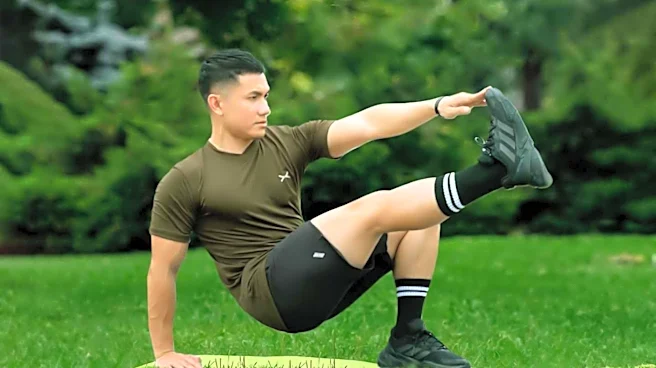
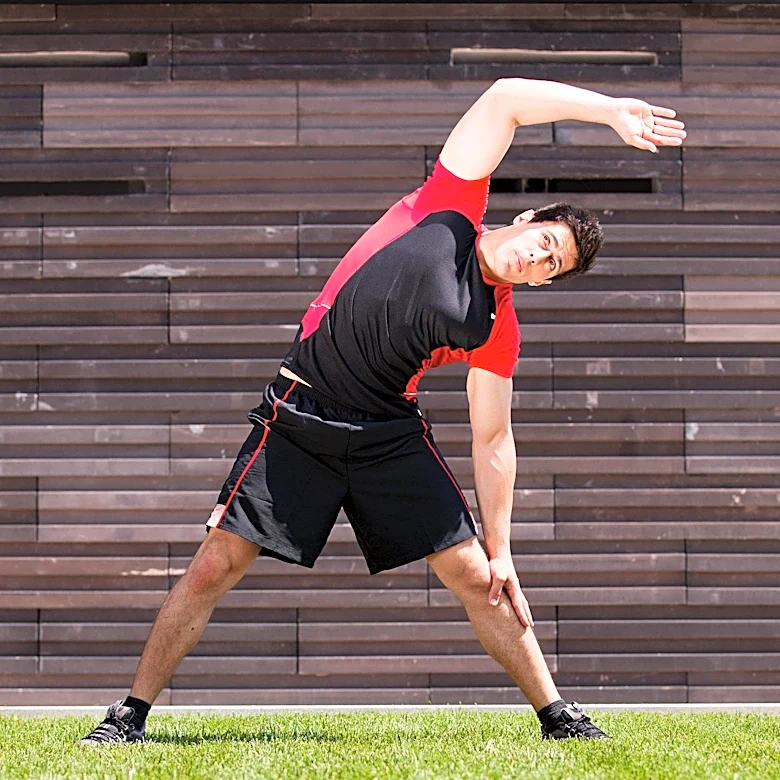
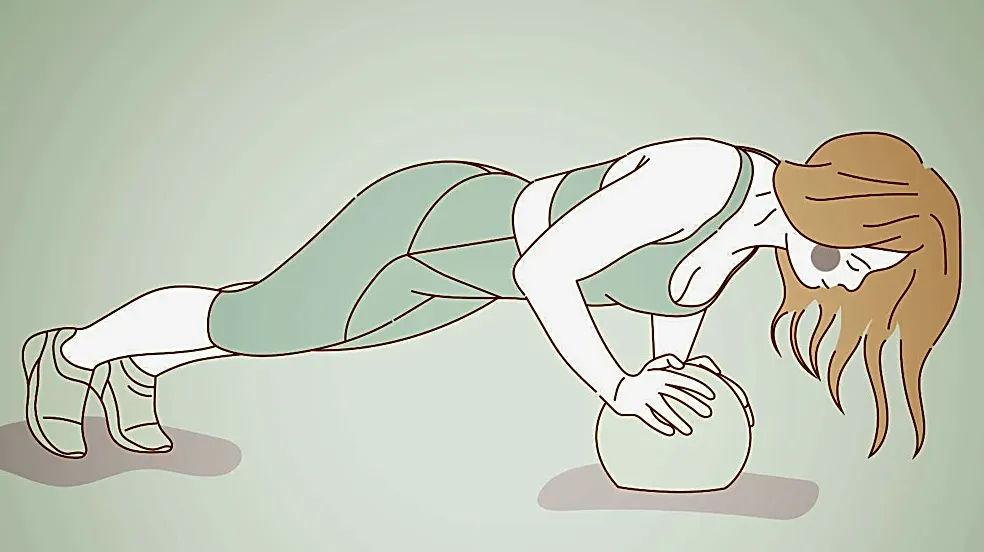
Calisthenics, a form of strength training utilizing one's own body weight as resistance, is presented as an accessible and effective fitness method. Exercises such as push-ups, squats, lunges, pull-ups, and dips form the core of calisthenics routines,
requiring minimal to no equipment. The term 'calisthenics' originates from the Greek words 'kallos' (beauty) and 'sthenos' (strength). Research indicates that calisthenics can significantly improve strength, muscular endurance, and aerobic fitness. For instance, an 8-week trial showed untrained men increased their push-up scores by 16.4% and pull-up scores by 39.2%, while also reducing body fat. Even short, 11-minute bodyweight sessions have been shown to improve aerobic fitness in inactive adults. Muscle-strengthening activities like calisthenics are linked to a 10-17% lower risk of early death.
Why It's Important?
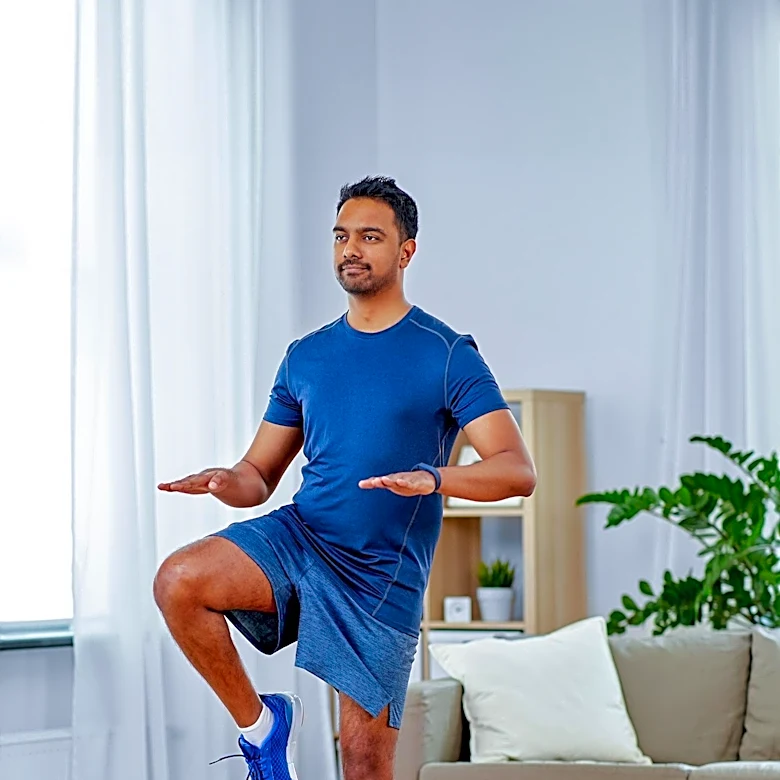
The emphasis on calisthenics as a viable home fitness option holds significant importance for public health in the U.S. It addresses barriers to exercise such as cost, access to gyms, and time constraints, making physical activity more attainable for a broader population. The scientific backing for its effectiveness in building strength, endurance, and improving cardiovascular health underscores its potential to combat sedentary lifestyles and associated health issues. By promoting exercises that can be done with minimal equipment, calisthenics supports a more inclusive approach to fitness, potentially reducing healthcare burdens related to preventable conditions. This accessibility can empower individuals to take control of their health, fostering a more active and resilient society.
What's Next?
The growing interest in home fitness and bodyweight training suggests a continued rise in the adoption of calisthenics. Fitness apps and online platforms are likely to further integrate calisthenics programs, offering guided workouts and personalized progression plans. The development of more sophisticated home fitness tools, such as AI coaches and interactive training modules, could enhance the calisthenics experience, making it more engaging and effective. Additionally, as awareness of the health benefits of muscle-strengthening activities grows, public health campaigns and community programs might increasingly promote calisthenics as a foundational element of physical activity, encouraging its widespread practice across different age groups and fitness levels.
Beyond the Headlines
Calisthenics represents more than just a physical exercise regimen; it embodies a philosophy of self-reliance and resourcefulness in achieving fitness goals. Its historical roots, dating back to ancient Greece and popularized in the U.S. through figures like Catharine Beecher, highlight a long-standing recognition of the body's inherent capacity for strength and movement. In a modern context, where technology often mediates human experience, calisthenics offers a return to fundamental physical engagement, fostering a deeper connection between mind and body. The minimal equipment requirement also challenges consumerist notions of fitness, suggesting that optimal health can be achieved without extensive financial investment, thereby democratizing access to physical well-being and promoting a more sustainable approach to personal health.