

What's Happening?
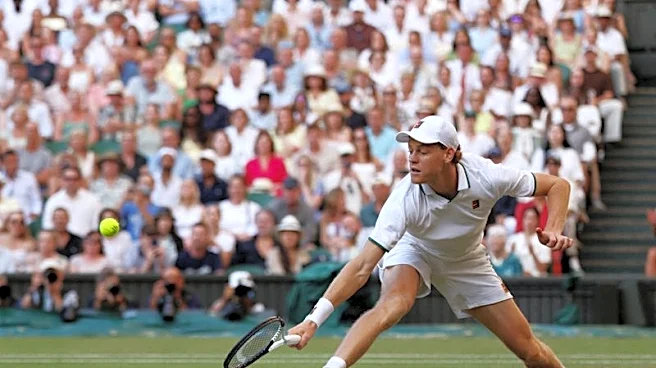
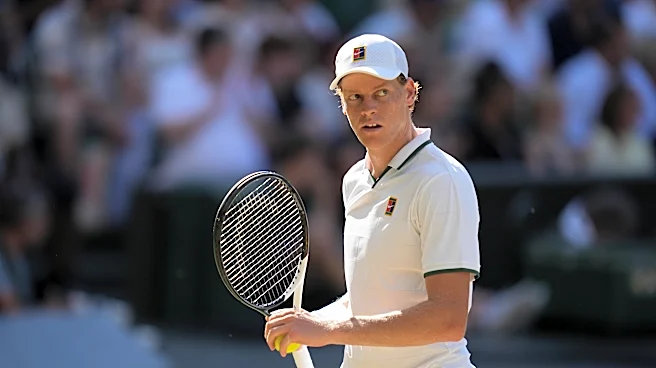
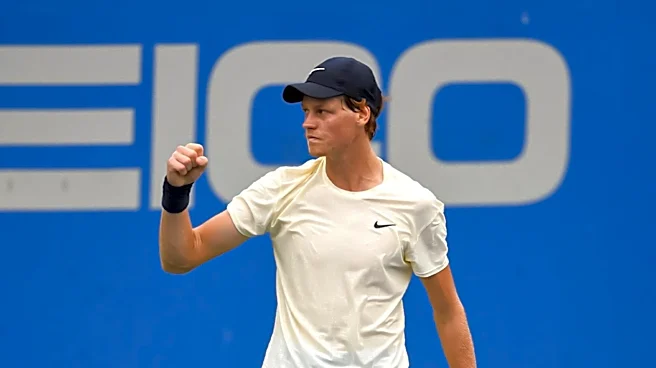
World number one tennis player Jannik Sinner has announced his withdrawal from the U.S. Open due to a right knee injury. Sinner has not competed since winning the Wimbledon title last month. He stated that he is not ready to compete when the main draw of
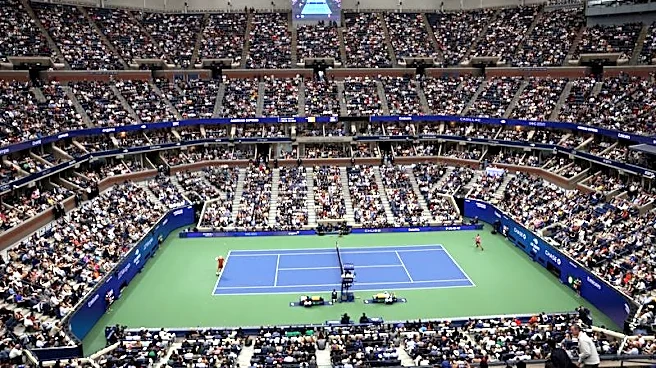
the final Grand Slam of the season begins on August 30. Sinner was the U.S. Open champion in 2024 and was a finalist in the previous year, losing to Carlos Alcaraz. He expressed sadness and disappointment, noting that New York holds a special place in his heart and he was looking forward to playing in front of the fans there.
Why It's Important?
Jannik Sinner's withdrawal from the U.S. Open is a significant development for the sport of tennis, particularly for the men's singles tournament. As the reigning world number one and a former U.S. Open champion, his absence removes a top contender and a major draw for fans. This opens up the field for other players, potentially altering the dynamics of the competition and increasing the chances for new champions or unexpected runs. For Sinner, it underscores the physical demands of professional tennis and the importance of injury management, especially for players at the pinnacle of the sport. His decision prioritizes long-term health over immediate competition, which could impact his ranking and future tournament participation.
What's Next?
Jannik Sinner will now focus on rehabilitation for his right knee injury, aiming for a full recovery before returning to competitive play. His medical team will likely develop a comprehensive recovery plan to ensure he can resume his career without further complications. For the U.S. Open, organizers will need to adjust the tournament draw, and other top players will see their odds of winning potentially improve. Fans will be eager for updates on Sinner's recovery timeline and his expected return to the ATP Tour. His absence will also impact broadcast schedules and marketing efforts for the tournament, as a major star will not be participating.
Beyond the Headlines
Sinner's withdrawal highlights the broader issue of player welfare and the intense physical toll that professional tennis takes on athletes. The demanding schedule of the ATP Tour, coupled with the high-stakes nature of Grand Slams, often pushes players to their physical limits. This incident could reignite discussions within the tennis community about scheduling, rest periods, and the need for more robust support systems for injury prevention and recovery. It also serves as a reminder that even the world's top athletes are vulnerable to injuries, emphasizing the human element behind the competitive spectacle. The long-term health of players like Sinner is crucial for the sustained appeal and quality of the sport.