





What's Happening?
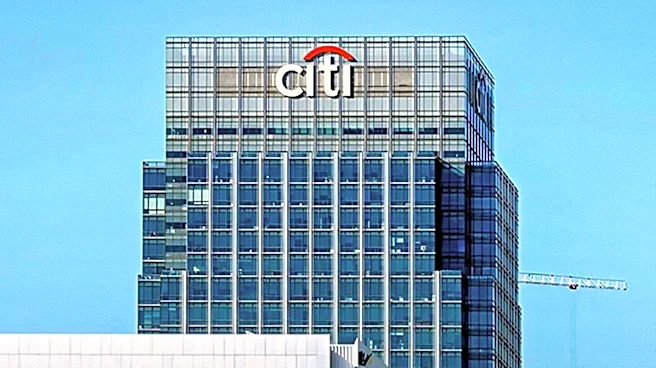
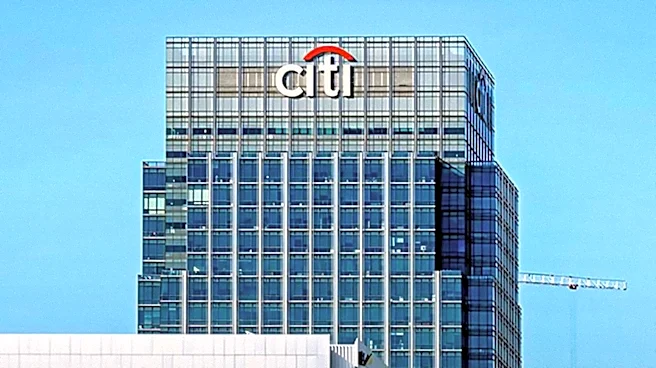
Citigroup is reportedly considering re-entering Venezuela's banking market, five years after ceasing its operations in the country. Executives from Citi are currently in discussions with Trump administration officials at the U.S. State Department and
Treasury regarding a potential return. These discussions include the structure of any re-entry and the necessary sanctions waivers. Other banks have also reportedly approached U.S. officials about returning to Venezuela. Citi's initial approach is expected to involve correspondent banking relationships with existing financial institutions in Venezuela, rather than immediately re-establishing an on-the-ground presence. The bank is not currently planning to reopen local operations. Jane Fraser, Citigroup's CEO, previously led the bank’s Latin America business from Miami between 2015 and 2019. During her tenure, Citi entered a four-year swaps contract with Venezuela, providing a $1.1 billion loan secured against gold collateral. Venezuela's central bank later missed a deadline to repurchase the gold, leading Citigroup to sell the metal and transfer approximately $260 million to a U.S. account formerly controlled by Venezuela's central bank.
Why It's Important?
Citigroup's potential re-entry into Venezuela signifies a notable shift in the U.S. financial sector's engagement with the South American nation, which has been subject to extensive U.S. sanctions. This move could indicate a broader trend among financial institutions to explore opportunities in Venezuela, potentially signaling a perceived stabilization or a strategic re-evaluation of the country's economic landscape. The discussions with Trump administration officials highlight the critical role of U.S. foreign policy and sanctions in shaping international banking decisions. Any re-entry, even through correspondent banking, could provide much-needed financial infrastructure for Venezuela, potentially easing economic pressures and facilitating international transactions. For Citigroup, this could represent an opportunity to re-establish a presence in a market where it had a long history, having opened branches in 1917 and previously employing hundreds of people. The involvement of sanctions waivers underscores the complex regulatory environment and the need for government approval for such financial activities.
What's Next?
The immediate next steps involve continued discussions between Citigroup executives and Trump administration officials regarding the structure of a potential re-entry and the necessary sanctions waivers. It is anticipated that Citi will begin with correspondent banking relationships, which involve partnering with financial institutions already operating in Venezuela, rather than immediately establishing a physical presence. This phased approach suggests a cautious strategy to mitigate risks while exploring market opportunities. The outcome of these discussions will likely influence other banks that have also expressed interest in returning to Venezuela. Any formal announcement or action by Citigroup would set a precedent for how U.S. financial institutions navigate the complex political and economic landscape of Venezuela under existing sanctions. The long-term implications will depend on the success of these initial banking relationships and the evolving political and economic stability within Venezuela.
Beyond the Headlines
The consideration of Citigroup's return to Venezuela extends beyond mere business expansion; it touches upon the intricate interplay of geopolitics, economic sanctions, and corporate strategy. The discussions with Trump administration officials underscore the U.S. government's influence over international financial activities and its potential role in shaping economic engagement with sanctioned nations. This move could be interpreted as a subtle shift in U.S. policy towards Venezuela, or at least an openness to allow financial institutions to explore limited engagement. The ethical implications of re-engaging with a country facing significant political and economic challenges, as well as the potential impact on the Venezuelan populace, will be closely scrutinized. Furthermore, the historical context of Citi's previous dealings, including the $1.1 billion loan secured against gold collateral and the subsequent sale of the metal, highlights the inherent risks and complexities of operating in such environments. The decision to re-enter, even cautiously, could signal a long-term strategic view on the eventual recovery or transformation of Venezuela's economy.