



What's Happening?
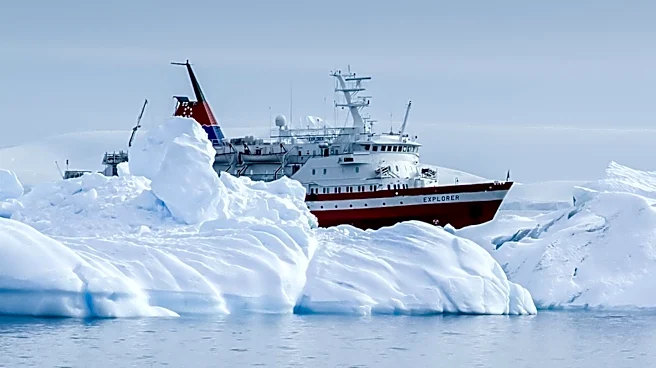
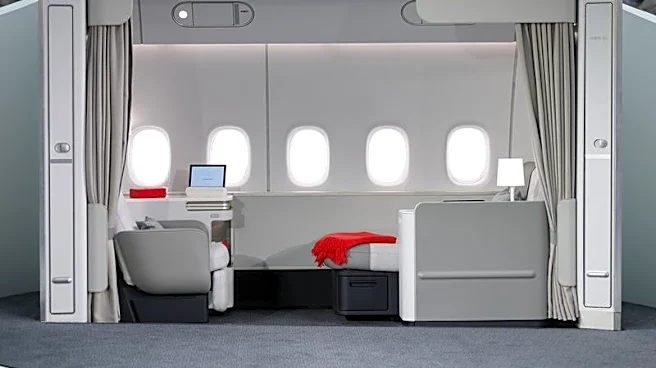
The Ritz-Carlton Yacht Collection is providing luxury cruise experiences characterized by personalized service, high-end dining, and premium amenities. Each yacht in the collection features 149 suites, all equipped with private terraces, designed to accommodate
up to 298 guests. These voyages are crafted to offer unique and distinguished travel opportunities to various destinations, with itineraries typically spanning between seven and ten nights. The collection emphasizes a refined onboard experience, including specific dress codes such as 'Yacht Casual' for daytime activities and 'Yacht Sophisticated' for indoor dinner venues. Guests are advised to pack breathable layers, supportive walking shoes, sun protection, and binoculars to enhance their experience of scenery and wildlife viewing.
Why It's Important?
The expansion of luxury cruise offerings by brands like The Ritz-Carlton Yacht Collection signifies a growing demand within the U.S. travel and tourism industry for high-end, exclusive vacation experiences. This trend caters to affluent consumers seeking bespoke services and intimate settings, differentiating itself from larger, more conventional cruise lines. For the U.S. economy, this segment contributes to job creation in hospitality, maritime operations, and related luxury goods and services. It also impacts port cities that serve as embarkation points or destinations, boosting local economies through passenger spending. The focus on personalized service and unique itineraries could set new standards in the luxury travel market, potentially influencing competitors to elevate their own offerings to attract this discerning clientele. Businesses involved in luxury retail, fine dining, and bespoke travel planning stand to gain from this market segment's growth.
What's Next?
The Ritz-Carlton Yacht Collection is expected to continue refining its itineraries and expanding its fleet to meet the demand for luxury cruising. Future developments may include the introduction of new destinations, specialized themed voyages, or enhanced onboard amenities to further distinguish its offerings. The success of these luxury cruises could prompt other high-end hospitality brands to enter the yachting sector, intensifying competition and driving innovation in the luxury travel market. Potential reactions from major stakeholders could include increased investment in port infrastructure to accommodate luxury yachts, partnerships with high-end tour operators, and targeted marketing campaigns aimed at affluent demographics. The industry will likely observe how these luxury experiences evolve to incorporate sustainable practices and cater to changing consumer preferences for experiential travel.
Beyond the Headlines
The rise of ultra-luxury cruise collections like The Ritz-Carlton's points to a broader shift in consumer values within the travel sector, where exclusivity, personalized experiences, and high-quality service are increasingly prioritized over mass tourism. This trend has ethical implications regarding accessibility and environmental impact, as luxury travel often entails a higher carbon footprint per passenger. Culturally, it reflects a desire for curated experiences that offer both escape and enrichment, moving beyond mere sightseeing to immersive journeys. Legally, the operation of such vessels involves complex international maritime laws and regulations concerning passenger safety, environmental protection, and labor standards. The long-term shift could see a bifurcation of the cruise industry, with a clear divide between budget-friendly mass market options and premium, exclusive experiences, each catering to distinct consumer segments and driving different economic and social outcomes.