





What's Happening?
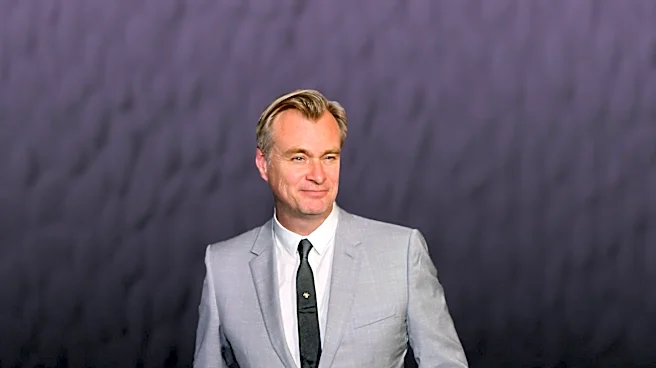
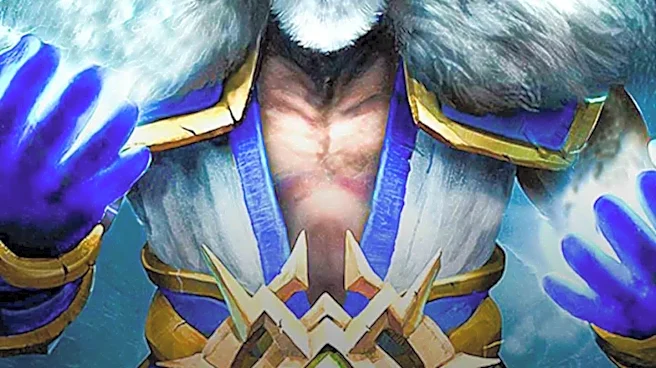
Christopher Nolan's adaptation of 'The Odyssey' diverges from traditional depictions of Greek mythology by minimizing the role of the gods and focusing on a more modern moral framework. The film replaces the pantheon of Greek gods with a distant deity,
emphasizing themes of moral clarity and human agency. This approach reflects Nolan's tendency to ground fantastical elements in a more realistic context, as seen in his previous works. The film portrays Odysseus as a skeptic who struggles with belief in divine intervention, ultimately finding resolution through a modern interpretation of faith and morality.
Why It's Important?
Nolan's reinterpretation of 'The Odyssey' highlights a shift in storytelling that prioritizes humanistic values over traditional mythological narratives. This approach may resonate with contemporary audiences who seek relatable themes of personal responsibility and ethical conduct. By reimagining the role of the gods, the film challenges viewers to consider the impact of belief systems on human behavior and societal norms. This adaptation could influence future cinematic portrayals of classical literature, encouraging filmmakers to explore new perspectives and cultural relevance.
What's Next?
The film's release may spark discussions among scholars, critics, and audiences about the balance between artistic interpretation and fidelity to source material. It could also lead to a reevaluation of how ancient myths are adapted for modern media, potentially inspiring similar reinterpretations in literature and film. As audiences engage with Nolan's vision, there may be increased interest in exploring the ethical and philosophical questions raised by the film, influencing both academic discourse and popular culture.