





What's Happening?
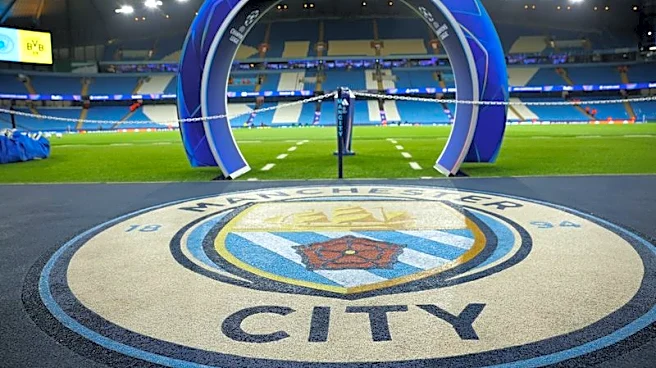
Rui Pinto, the Portuguese computer hacker responsible for the 'Football Leaks' operation, is set to lose his witness protection status on October 10. Pinto, who provided confidential documents leading to investigations into Manchester City's finances
and alleged breaches of financial fair play rules, claims this decision puts him in a 'life-threatening situation.' He has expressed fears of assassination and stated he will relocate to an undisclosed location. Pinto became part of Portugal's witness protection program in 2020 after agreeing to cooperate with authorities. He was previously convicted in Portugal for illegal access to data and attempted extortion, receiving a four-year suspended sentence. Earlier this year, he was acquitted in a second trial of 241 counts of illegally accessing email accounts of various sports bodies in Portugal. His lawyers have stated that the termination of his witness protection leaves him at heightened risk, especially as legal proceedings related to his leaks, including the case against Manchester City, are still ongoing. Pinto has also recently criticized FIFA president Gianni Infantino, alleging he intervened to help Manchester City and Paris Saint-Germain avoid financial fair play sanctions.
Why It's Important?
The situation surrounding Rui Pinto has significant implications for the integrity of international football governance and the protection of whistleblowers. His leaks exposed alleged financial irregularities at major European football clubs, leading to ongoing investigations and raising questions about the enforcement of financial fair play rules. The potential loss of his witness protection, despite his claims of death threats and assassination risk, could deter future whistleblowers from coming forward with information about illicit activities in powerful organizations. This case highlights the precarious position of individuals who expose sensitive information, particularly when facing powerful entities. The allegations against FIFA president Gianni Infantino, if substantiated, could further erode public trust in the sport's governing bodies. The outcome of Pinto's situation and the ongoing investigations could influence how international sports organizations are held accountable for financial conduct and ethical standards, potentially leading to stricter regulations or more robust whistleblower protection mechanisms in the future.
What's Next?
Rui Pinto is expected to relocate to an undisclosed location following the termination of his witness protection on October 10. He has launched a fundraising page to support himself, claiming the situation was 'created by the Portuguese State.' The legal proceedings stemming from his Football Leaks, including the case against Manchester City, are still ongoing, and the decision to end his protection could impact these investigations. It remains to be seen how the authorities will respond to his claims of death threats and the heightened risk he faces. The allegations against FIFA president Gianni Infantino are likely to continue to be a point of contention, potentially leading to further scrutiny of FIFA's operations. The broader discussion around whistleblower protection in international sports and other sectors may intensify as a result of Pinto's predicament, potentially prompting calls for stronger legal frameworks to safeguard individuals who expose wrongdoing.
Beyond the Headlines
This case delves into the complex ethical and legal dimensions of whistleblowing in a globalized world, particularly when dealing with powerful and well-resourced organizations like major football clubs and international sports federations. The tension between the public interest in transparency and accountability, and the personal risks undertaken by whistleblowers, is starkly illustrated. Pinto's situation raises questions about the adequacy of existing witness protection programs for individuals who expose financial crimes on an international scale. It also highlights the potential for retaliation and the challenges of ensuring justice when allegations involve high-profile figures and institutions. The long-term impact could be a re-evaluation of how international bodies handle financial oversight and the mechanisms in place to encourage and protect those who bring such issues to light. The case also touches upon the evolving role of hackers and digital leaks in modern investigative journalism and accountability efforts.