




What's Happening?
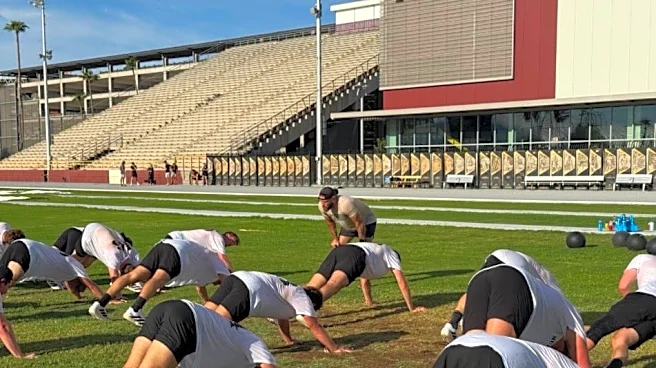
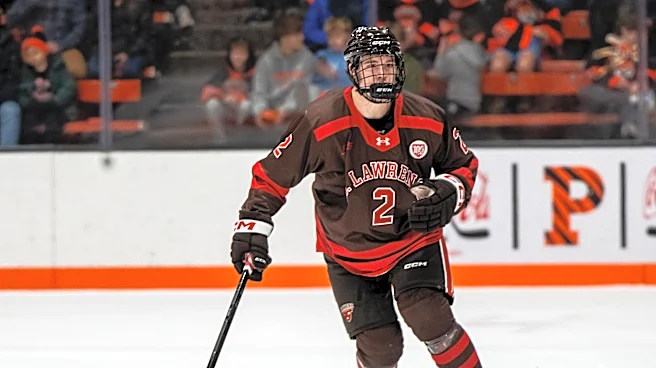
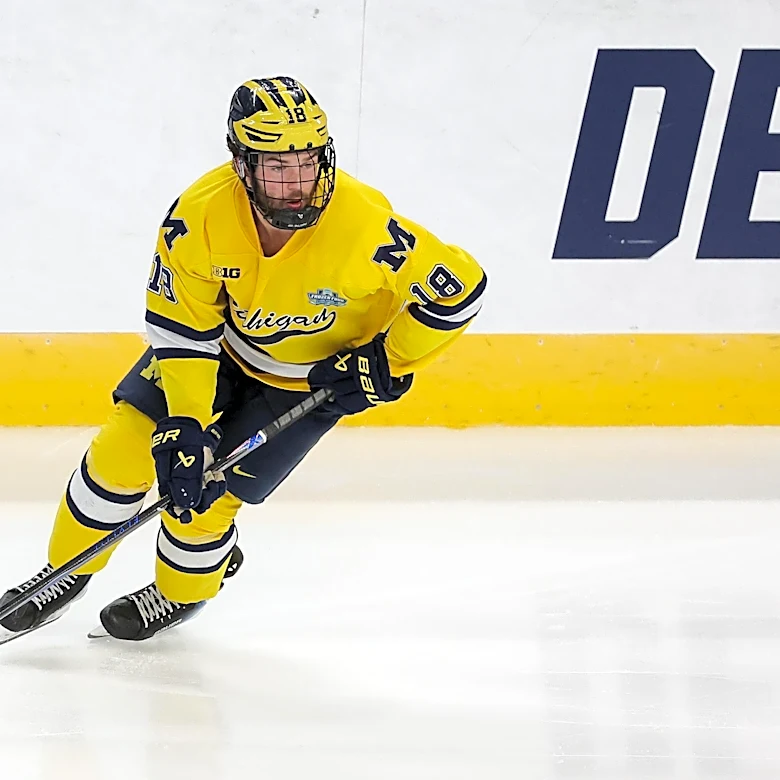
A 21-year-old Arizona State University (ASU) hockey player, Matthew Mayich, suffered exertional heat stroke and remains hospitalized with an unlikely recovery prognosis after participating in a military-style conditioning session led by a former Green
Beret. The incident occurred during the first day of organized team workouts in August. An initial university report indicates that neither the former Green Beret nor his training plans were properly credentialed or cleared by university staff. This event has raised significant questions regarding the safety and oversight of military-style training in college athletics. The university has since placed head coach Greg Powers on administrative leave and reassigned the assistant trainer assigned to the hockey team. Matthew Mayich's family is seeking accountability and an independent investigation.
Why It's Important?
This incident highlights a critical safety concern within collegiate athletics regarding the use of military-style training methods without proper oversight and credentialing. The severe injury to Matthew Mayich underscores the potential dangers when such rigorous training, designed for specific military selection purposes, is applied to athletes without adequate protocols. Experts in performance and occupational medicine emphasize that authentic military training is protocol-driven and evidence-based, contrasting with how these methods are often adopted in sports, focusing on perceived toughness rather than athlete safety and physiological limits. The case brings to light a broader issue of coaches potentially lacking the necessary expertise to implement such intense programs safely, leading to preventable injuries. This could prompt a reevaluation of training methodologies and oversight mechanisms across U.S. college sports to ensure athlete well-being.
What's Next?
The Arizona State University will likely continue its internal investigation into the circumstances surrounding Matthew Mayich's injury, potentially leading to further personnel changes or policy revisions. The Mayich family, represented by attorney Robert Carey, is advocating for the removal of coaches involved to facilitate an independent investigation and ensure accountability. This incident could trigger a broader discussion and potential policy changes within the National Collegiate Athletic Association (NCAA) or individual athletic conferences regarding the regulation and approval of extreme conditioning programs. Universities may face increased scrutiny and pressure to implement stricter protocols for external trainers and specialized conditioning sessions to prevent similar occurrences. Legal actions against the university or involved individuals are also a possibility, given the severity of Mayich's condition.
Beyond the Headlines
The incident at ASU exposes a deeper cultural issue in sports where 'mental toughness' is sometimes prioritized over athlete safety, leading to the adoption of training methods that may not be appropriate or safely implemented for collegiate athletes. The mutual admiration between military and elite sports training, as described by experts like Brandon Marcello, often masks a lack of understanding regarding the fundamental differences in populations and objectives. While the military protects its 'assets' with stringent protocols, the drive for competitive advantage in sports can sometimes lead to shortcuts or misapplications of intense training. This event could spark a necessary re-evaluation of the ethical responsibilities of athletic programs to protect their athletes, moving beyond a 'win at all costs' mentality to one that prioritizes long-term health and well-being. It also raises questions about the liability of universities and the need for comprehensive risk management in athletic departments.