










What's Happening?
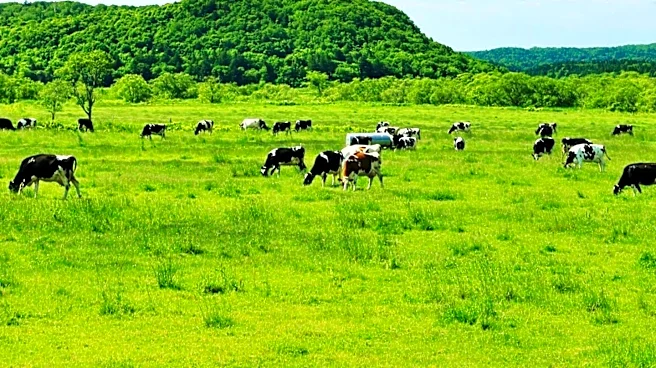
Beef prices in the United States are on the rise due to a combination of factors including drought, low cattle herd sizes, and concerns about the new world screwworm. This situation has significantly impacted businesses, particularly taquerias in Texas.
At Monchy’s, a popular taqueria in Houston, the cost of beef has increased by about $2 per pound over the past year. As a result, the restaurant has had to raise its prices, including its Taco Tuesday special, which now costs $1.50 per taco instead of the previous $1.00. This price hike is part of a broader trend, with wholesale beef prices up nearly 16% from May of the previous year, according to the U.S. Department of Agriculture. The USDA projects that these prices will continue to rise by more than 9% in 2026. The increase in beef prices is a challenge for taquerias, which rely on affordable pricing to attract customers.
Why It's Important?
The rising cost of beef is a significant issue for the U.S. food industry, particularly for small businesses like taquerias that depend on affordable pricing to maintain their customer base. As beef prices increase, these businesses face the difficult decision of whether to pass the costs onto consumers or absorb the losses. This situation highlights the vulnerability of small businesses to fluctuations in commodity prices and the broader economic impacts of agricultural challenges. The Texas Restaurant Association notes that these businesses can only raise prices so much before losing the affordability that makes tacos an attractive option for consumers. The ongoing price increases could lead to a shift in consumer behavior, with some customers opting for cheaper alternatives like chicken or pork, potentially affecting the demand for beef.
What's Next?
As beef prices continue to rise, taquerias and other small food businesses may need to explore alternative strategies to manage costs. This could include sourcing beef from different suppliers, adjusting menu offerings, or finding ways to increase operational efficiency. Additionally, the broader agricultural industry may need to address the underlying issues contributing to the low cattle herd sizes, such as drought conditions and disease management. Policymakers and industry stakeholders might also consider measures to support small businesses during this challenging period, ensuring they can remain viable while maintaining consumer access to affordable food options.