






What's Happening?
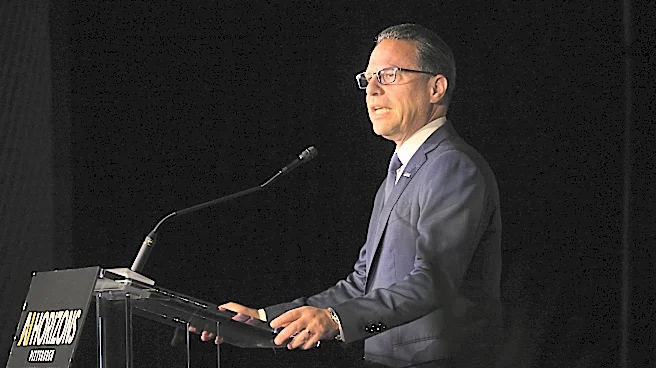
Governor Josh Shapiro and Pennsylvania Department of Labor & Industry (L&I) Secretary Nancy A. Walker announced a historic $7.8 million settlement with Walmart for widespread violations of Pennsylvania's Child Labor Act. This settlement marks the largest
child labor enforcement action in Pennsylvania's history and one of the largest ever secured by a state labor enforcement agency in the U.S. The agreement includes $7.68 million in administrative penalties, in addition to $142,785 previously paid in fines. L&I's investigation began in February 2025 after referrals regarding minors injured at Walmart stores. Subsequent audits at eight Walmart locations revealed an average of 65 Child Labor Act violations per audit. These violations included failing to obtain work permits for minor employees, not notifying school districts of minor hires or terminations, failing to provide legally required breaks, and allowing minors to work excessive hours. The Department expanded its enforcement statewide after identifying a pattern of violations, leading to this comprehensive settlement covering all Walmart stores in Pennsylvania.
Why It's Important?
This landmark settlement underscores the Shapiro Administration's commitment to protecting young workers and enforcing labor laws in Pennsylvania. The significant financial penalty and the comprehensive compliance measures included in the agreement send a strong message to employers across the Commonwealth that child labor violations will not be tolerated. The case highlights the vulnerability of minor employees and the critical need for robust oversight to ensure their health, safety, and welfare. For Walmart, the settlement not only imposes a substantial financial cost but also mandates changes in its operational procedures, including manager training on child labor laws, workplace postings informing employees of their rights, and regular record submissions related to minor employment. This action could prompt other large corporations to review their compliance with child labor laws, potentially leading to improved working conditions and better protections for young workers nationwide. The settlement also reinforces the role of state labor departments in holding major employers accountable for systemic violations.
What's Next?
As part of the settlement, Walmart has agreed to implement several measures designed to prevent future child labor violations. These include mandatory manager training on Pennsylvania's child labor laws, the posting of employee rights information in workplaces, and a requirement to provide records related to the employment of minors at selected locations at six-month and one-year intervals. Furthermore, Walmart has agreed to pay an amplified penalty, double L&I's typical fine, if any violations are found during future compliance checks outlined in the agreement. The Department of Labor & Industry will continue its enforcement efforts, responding to complaints from workers and the public regarding suspected violations of the Child Labor Act. This settlement sets a precedent for future enforcement actions, indicating that the Shapiro Administration will pursue statewide resolutions for systemic issues rather than limiting actions to individual locations. Employers in Pennsylvania are now on notice regarding the increased scrutiny and penalties for non-compliance with child labor laws.
Beyond the Headlines
This settlement extends beyond immediate financial penalties and compliance measures, touching upon broader ethical and societal implications regarding corporate responsibility and the protection of vulnerable populations. The discovery of widespread child labor violations at a major retailer like Walmart raises questions about the effectiveness of internal compliance mechanisms within large corporations and the pressures that might lead to such breaches. Ethically, it highlights the imperative for businesses to prioritize the well-being of their youngest employees over potential cost savings or operational efficiencies. Legally, the amplified penalty clause for future violations signals a more aggressive stance by the state to deter repeat offenses, potentially influencing legislative discussions around strengthening child labor protections. Culturally, this case contributes to an ongoing national conversation about child labor, particularly as some states consider loosening such regulations. The Shapiro Administration's firm action reinforces the principle that child labor laws are fundamental safeguards for minors, ensuring they are not exploited and can pursue education and healthy development without undue workplace burdens. This could encourage greater public awareness and vigilance regarding child labor practices in various industries.