


What's Happening?
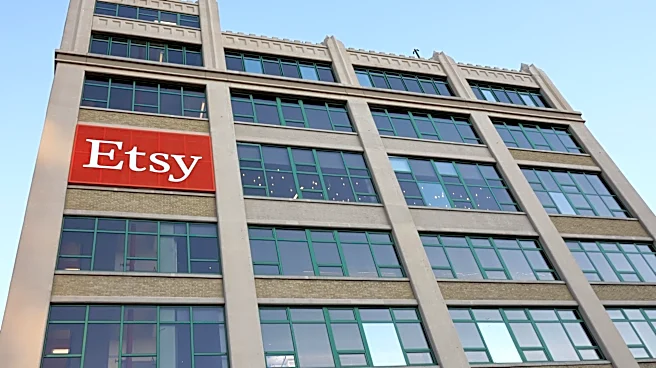
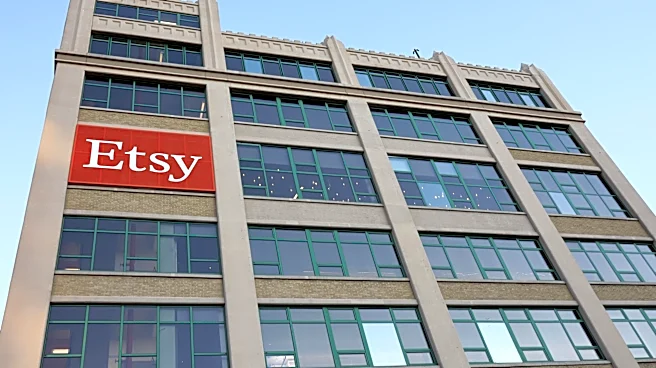
Etsy, Inc. has issued a clarification regarding its updated artificial intelligence (AI) policies after facing significant backlash from sellers. Many sellers expressed frustration and concern that the new terms of service would permit Etsy to train AI models
using their unique artwork, potentially leading to the creation of copycat items. CEO Kruti Patel Goyal acknowledged that the company "should’ve given you more context on what the updates meant for your creative content." Goyal stated that the terms update was intended to reflect the evolving technologies used to develop improved tools and experiences for sellers and the Etsy community. She explicitly assured sellers that the company's intention was not to enable the training of AI models for the purpose of replicating their items, and affirmed that Etsy "will not do that." This clarification comes as some sellers, like professional illustrator Aaron Meshon, have already decided to close their Etsy stores due to the initial ambiguity of the AI policies.
Why It's Important?
This development is important because it highlights the growing tension between technology companies and their user base, particularly in creative industries, concerning the use of AI and intellectual property. For Etsy, a platform built on unique, handcrafted, and artistic goods, maintaining the trust of its sellers is paramount. The backlash demonstrates that creators are increasingly vigilant about how their work is utilized in the age of AI, especially when it could potentially undermine their livelihoods. The incident also underscores the need for clear and transparent communication from companies when implementing new policies related to emerging technologies. A loss of seller confidence could lead to a significant exodus from the platform, impacting Etsy's business model and its reputation as a marketplace for original creations. The timing of this controversy, just before the crucial holiday shopping season, further amplifies its potential financial impact on both sellers and the company.
What's Next?
Following Etsy's clarification, the immediate next steps will involve monitoring seller reactions and observing whether the revised stance is sufficient to rebuild trust. While CEO Goyal has provided assurances, some sellers, such as Aaron Meshon, remain unconvinced and plan to proceed with closing their stores. Etsy will likely need to continue engaging with its seller community to address lingering concerns and demonstrate its commitment to protecting intellectual property. The company may also consider further refining its terms of service or developing more explicit guidelines regarding AI usage to prevent future misunderstandings. The broader implications could see other online marketplaces and platforms re-evaluating their own AI policies and communication strategies to avoid similar controversies, especially as AI technology continues to advance and its applications become more widespread across various industries.
Beyond the Headlines
The Etsy AI terms controversy extends beyond a simple policy clarification, touching upon fundamental ethical and legal questions surrounding intellectual property in the digital age. The incident brings to the forefront the challenges of balancing technological innovation with the protection of creators' rights. As AI models become more sophisticated, the line between inspiration and replication blurs, raising complex questions about ownership and fair use of data for training purposes. This situation could set a precedent for how other platforms handle user-generated content in relation to AI development, potentially influencing future regulations or industry standards. It also highlights the economic vulnerability of independent artists and creators who rely on platforms like Etsy for income, emphasizing the need for robust protections against potential AI-driven infringement or competition. The debate over AI's role in creative fields is likely to intensify, prompting ongoing discussions about compensation, attribution, and the future of human creativity.