





What's Happening?
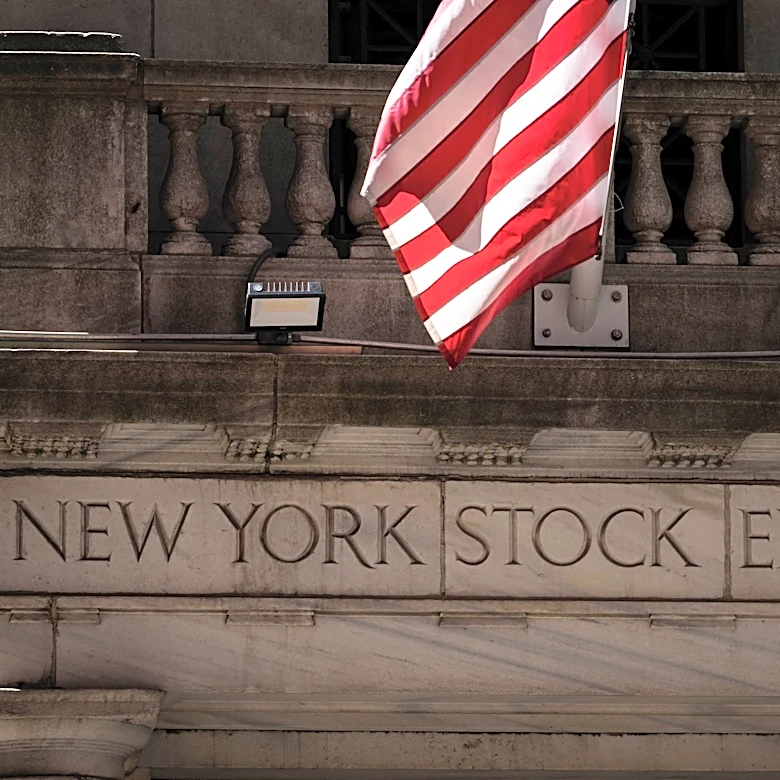
Wall Street firms have significantly surpassed their profit forecasts for 2026, with first-half profits reaching $45.9 billion. This figure represents a 51% increase from the previous year and already exceeds New York City's initial full-year projection
of $45.3 billion. If this pace continues, annual profits could exceed $90 billion. The surge in profits is primarily attributed to a 68% jump in underwriting revenue, as companies actively returned to capital markets. Global equity issuance saw a 76.5% increase, partly due to SpaceX's record IPO, and dealmaking also rebounded. Trading revenue, while still contributing, only rose by 1.8% to $40.3 billion. Artificial intelligence (AI) investments have also played a role, with an estimated US$581 billion in AI capital expenditure this year, much of which is flowing through capital markets as hyperscalers seek funding for chips, data centers, and other infrastructure. This indicates that Wall Street is profiting from the broader AI boom by facilitating financing and trading activities.
Why It's Important?
This robust performance by Wall Street firms highlights a significant economic trend where financial institutions are thriving even amidst broader market uncertainties. The substantial increase in underwriting and dealmaking revenue suggests a strong appetite among companies for capital raising and mergers and acquisitions, indicating underlying confidence in future economic growth. The role of AI investments in driving these profits is particularly noteworthy, positioning Wall Street as a key facilitator in the burgeoning AI sector. This means that as technology companies and other industries invest heavily in AI infrastructure, financial services firms are directly benefiting from the associated capital market activities. This trend could lead to increased investment in financial technology and AI-driven services within Wall Street itself, further solidifying its role in the evolving digital economy. The sustained profitability also has implications for employment and tax revenues in financial hubs like New York City.
What's Next?
As the year progresses, the focus will shift to the third-quarter bank earnings reports to determine if this strong performance can be sustained. JPMorgan anticipates a mid-to-high teens percentage increase in Q3 markets revenue and investment-banking fees compared to the previous year, though this is a moderation from Q2's growth. Bank of America, however, is more cautious, forecasting relatively flat trading revenue and at least a 10% decline in investment-banking fees. These varying outlooks suggest a potential divergence in performance among financial institutions. The upcoming earnings calls will provide crucial insights into whether companies are continuing to raise capital and engage in deals, and if the momentum from the first half of 2026 can carry into 2027. Investors will be closely watching these reports to gauge the health of the capital markets and the broader economic outlook.
Beyond the Headlines
The significant profits generated by Wall Street, particularly from underwriting and AI-related financing, underscore a deeper shift in the financial landscape. The industry's ability to adapt and capitalize on emerging technological trends, such as AI, demonstrates its resilience and strategic positioning. This also raises questions about the concentration of wealth and influence within the financial sector, as these firms act as gatekeepers and facilitators for massive capital flows. The reliance on capital markets for AI infrastructure funding could also accelerate the development and adoption of AI technologies across various industries, potentially leading to transformative changes in the economy and society. However, it also highlights the potential for increased systemic risk if these investments are not managed prudently, given the historical volatility associated with rapid technological advancements and speculative capital. The ethical implications of AI development and its financing will also become increasingly relevant.