








What's Happening?
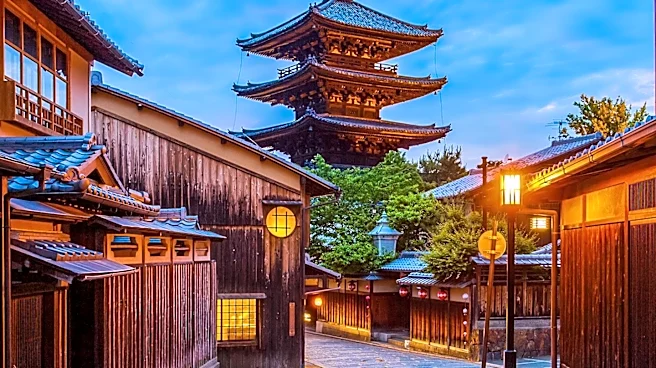
Kyoto, Japan, is being highlighted for its rich historical and cultural heritage, maintaining much of its traditional urban design, architecture, and cultural practices. The city is frequently cited as a favorite destination among international visitors
due to its blend of historical sites and modern amenities. It offers a more green and navigable environment compared to Tokyo and is noted for being LGBTQ+-friendly, with widespread availability of English menus and signage. Kyoto is home to numerous World Heritage Sites, including Kiyomizudera Temple and Heian Jingu Shrine. Visitors can also access attractions like the Osaka Aquarium and Universal Studios Japan from Kyoto. The city provides diverse culinary experiences, ranging from street food at Nishiki Market to high-end dining, and offers luxurious accommodations such as Hotel Okura Kyoto.
Why It's Important?
The sustained appeal of Kyoto as a premier international travel destination underscores the economic and cultural value of preserving historical integrity while embracing modern inclusivity. For the U.S. tourism industry, this highlights a benchmark for destinations aiming to attract a diverse global audience. Kyoto's success demonstrates that a focus on cultural authenticity, coupled with visitor-friendly infrastructure like multilingual services and an inclusive atmosphere, can significantly boost tourism. This model could influence U.S. cities with rich histories to invest further in cultural preservation and accessibility, potentially drawing more international visitors and stimulating local economies. The emphasis on green spaces and ease of navigation also provides a blueprint for urban planning in U.S. cities looking to enhance their livability and tourist appeal.
What's Next?
Kyoto is expected to continue its efforts in promoting its cultural heritage and welcoming environment to international tourists. Future initiatives may include further development of accessible tourism options and continued promotion of its World Heritage Sites. The city's focus on maintaining its traditional charm while catering to modern traveler needs suggests a sustained strategy to remain a top global destination. This could involve collaborations with international travel agencies and increased digital presence to reach a broader audience. The ongoing success of Kyoto may also inspire other cities globally, including those in the U.S., to adopt similar strategies for cultural tourism and urban development, potentially leading to a global trend in heritage-focused, inclusive travel experiences.
Beyond the Headlines
Kyoto's enduring popularity reflects a deeper global appreciation for cultural authenticity and historical preservation in an increasingly modernized world. The city's ability to integrate its ancient traditions with a welcoming, inclusive atmosphere for all visitors, including the LGBTQ+ community, sets a significant precedent. This approach challenges the notion that historical destinations must remain static, instead demonstrating that cultural heritage can thrive alongside progressive social values. The emphasis on green spaces and ease of navigation also speaks to a growing demand for sustainable and user-friendly urban environments. This trend could encourage a re-evaluation of urban development priorities in the U.S., promoting a balance between economic growth, environmental stewardship, and cultural preservation, ultimately fostering more livable and appealing cities.