





What's Happening?
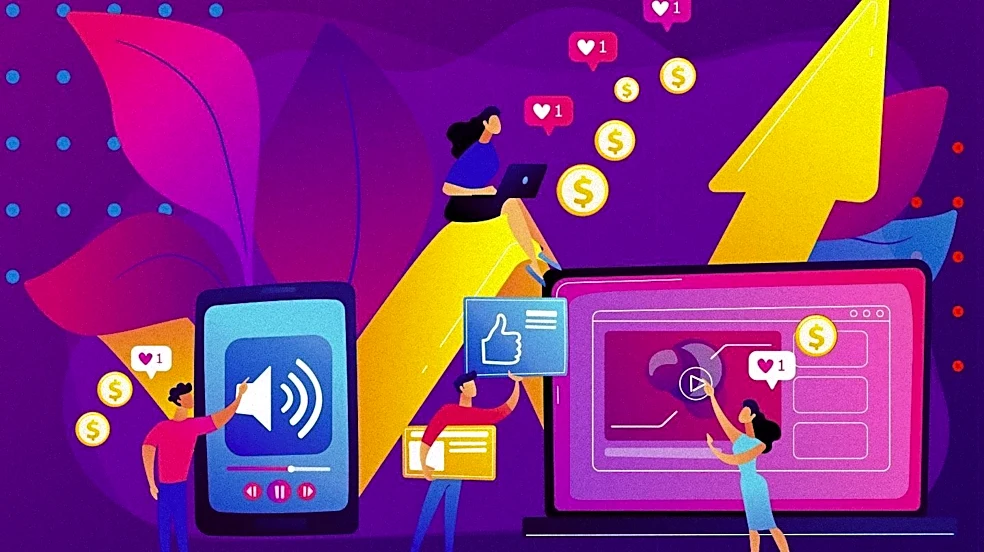
The creator economy, encompassing individuals who earn income from content creation and the platforms and brands that support them, is experiencing rapid growth. Goldman Sachs Research projects the market to nearly double from $250 billion in 2023 to $480
billion by 2027. This expansion is reflected in significant hiring across various sectors, including gaming, consumer technology, and retail, with major companies like Google, Blizzard Entertainment, and Etsy increasing their focus on creator and influencer functions. U.S. brands are anticipated to spend $37.1 billion on creator advertising in 2025, with 48% of ad spenders considering creators a 'must buy.' Despite this substantial market growth, the financial benefits are unevenly distributed. A CreatorIQ survey revealed that 67% of creators earned less than $10,000 in the past year, and only about 4% of the 50 million global creators are professionals earning over $100,000 annually. Affiliate marketing is emerging as a crucial revenue stream, with a shift towards performance-based influencer deals over traditional flat fees.
Why It's Important?
The rapid expansion of the creator economy signifies a fundamental shift in advertising, marketing, and content consumption within the U.S. The projected increase in brand spending on creator advertising underscores the growing influence of individual creators in reaching target audiences, potentially reshaping traditional media landscapes. This trend creates new opportunities for businesses to engage consumers through authentic and relatable content, moving beyond conventional advertising methods. However, the significant disparity in creator earnings highlights potential economic vulnerabilities within this burgeoning sector. While a select few achieve substantial financial success, the majority struggle to generate significant income, raising questions about sustainability and equitable compensation models. This uneven distribution could lead to increased competition, burnout among creators, and a need for more transparent and fair payment structures. The shift towards performance-based deals also indicates a maturing market where return on investment (ROI) is becoming a primary metric for brands, influencing how creators are valued and compensated.
What's Next?
The creator economy is expected to continue its growth trajectory, with brands likely to further integrate creator partnerships into their marketing strategies. The emphasis on performance-based deals suggests that creators will need to demonstrate tangible results to secure lucrative collaborations, potentially leading to a greater focus on analytics and audience engagement metrics. Educational institutions, such as Syracuse University, are already responding to this trend by offering minors in the creator economy, aiming to equip students with the necessary business skills for this evolving industry. This educational focus could professionalize the sector and help address the income disparity by providing creators with better tools for monetization and business management. Furthermore, as the market matures, there may be increased scrutiny on platform policies and brand practices to ensure fair compensation and transparency for creators. The ongoing evolution of content platforms and monetization models will also play a critical role in shaping the future earning potential and career paths for creators.
Beyond the Headlines
The creator economy's rapid expansion and the stark contrast in creator earnings raise deeper societal and ethical questions. The allure of 'financial freedom' through content creation, often promoted by the industry, can mask the reality that most creators operate with minimal income, potentially leading to a 'pyramid scheme' dynamic where only those at the top or those who entered early truly benefit. This situation can foster unrealistic expectations and encourage significant upfront investments in equipment and training with uncertain returns. The reliance on algorithms and ever-changing platform policies also introduces instability, making it challenging for creators to build sustainable careers. Furthermore, the increasing integration of AI in creator campaigns, while offering efficiency, also presents concerns about authenticity and consumer trust. The ethical implications of brands using AI influencers or AI-generated content without full disclosure could erode the very trust that makes creator marketing effective. Addressing these issues will require a concerted effort from platforms, brands, and policymakers to establish more equitable structures, transparent practices, and robust support systems for the vast majority of creators who are not achieving significant financial success.