





What's Happening?
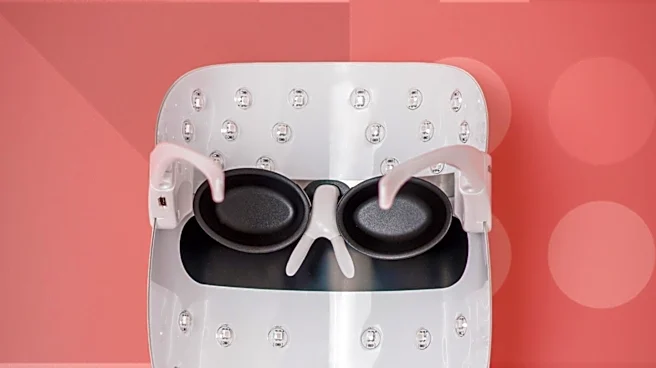
LED face masks have become a popular addition to skincare routines, utilizing photobiomodulation to improve skin health. These masks use different light wavelengths to trigger specific processes in the body, such as reducing inflammation and stimulating
collagen production with red light, or targeting acne-causing bacteria with blue light. Despite their popularity, the effectiveness of LED masks varies, and they are often seen as a supplementary tool rather than a replacement for traditional skincare practices. The cost of these devices ranges significantly, with some models offering more features and durability than others.
Why It's Important?
The rise in popularity of LED face masks reflects a growing interest in non-invasive skincare technologies. These devices offer a potential alternative to more invasive procedures, appealing to consumers seeking gradual improvements in skin health. However, the high cost and varying effectiveness of LED masks raise questions about their value compared to traditional skincare products. Consumers must weigh the benefits of LED therapy against the foundational elements of skincare, such as cleansing and moisturizing, to determine the best approach for their needs.
What's Next?
As the market for LED face masks continues to grow, consumers can expect further innovations and potentially more affordable options. It is important for users to maintain realistic expectations and consider consulting with dermatologists to tailor their skincare routines effectively. The development of more powerful and targeted LED devices may enhance their efficacy, but foundational skincare practices will likely remain essential.
Beyond the Headlines
The cultural fascination with LED face masks highlights a broader trend towards integrating technology into personal care routines. This trend reflects a shift in consumer behavior towards seeking high-tech solutions for everyday needs. However, the emphasis on technology should not overshadow the importance of evidence-based skincare practices and the need for consumer education on the limitations and proper use of such devices.