





What's Happening?
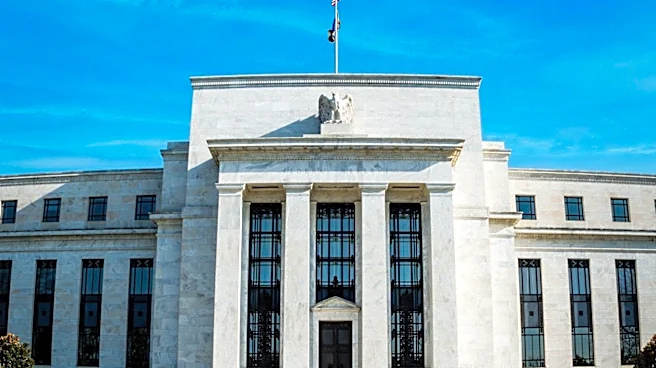
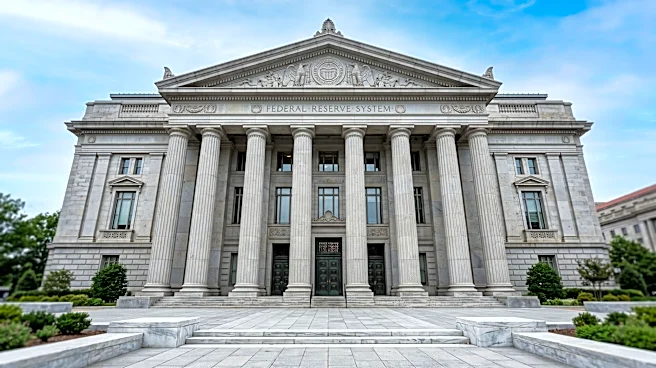
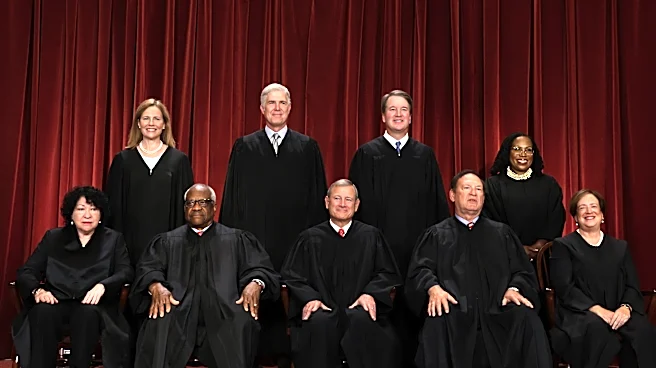
The U.S. Supreme Court has preserved the Federal Reserve's discretion over granting access to master accounts by denying a cert petition filed by Custodia, an uninsured special purpose depository institution chartered by Wyoming. This decision leaves
intact an October 2025 Tenth Circuit ruling, which concluded that Reserve Banks possess the authority to grant or deny requests for master accounts. The Bank Policy Institute (BPI) supported the Federal Reserve's position throughout the litigation, filing amici briefs arguing that Congress intended for the Federal Reserve to have such discretion. According to BPI Executive Vice President & Co-Head of Regulatory Affairs Paige Pidano Paridon, access to a Federal Reserve master account is a privilege, not a right, and the ability of Reserve Banks to deny access to institutions that do not meet safety, soundness, and security standards is crucial for maintaining a secure banking system. Master accounts enable institutions to deposit funds directly with a Reserve Bank, facilitating monetary policy implementation and transaction clearing without intermediary reliance.
Why It's Important?
This Supreme Court decision is highly significant for the stability and regulation of the U.S. financial system. By affirming the Federal Reserve's discretionary power over master accounts, the Court reinforces the central bank's ability to manage risk and protect the broader financial ecosystem. Uninsured depository institutions, like Custodia, often engage in novel activities and operate under less rigorous regulatory frameworks compared to insured institutions, potentially posing greater risks to financial stability and the Federal Reserve's monetary policy implementation. The ruling ensures that the Federal Reserve can continue to apply stringent safety and soundness standards, preventing entities that might introduce undue risk from directly accessing the nation's payment systems. This protects taxpayers, other financial institutions, and the integrity of the financial system from potential disruptions, thereby upholding Congress's intent to safeguard financial stability.
What's Next?
Following the Supreme Court's decision, the Federal Reserve will continue to exercise its discretion in evaluating applications for master accounts, maintaining its focus on safety, soundness, and security standards. This ruling provides clarity and reinforces the existing framework, likely leading to a more consistent application of criteria for access. Uninsured depository institutions and other novel financial entities seeking direct access to the Federal Reserve's payment systems will need to demonstrate a robust adherence to these standards, potentially leading to increased scrutiny of their business models and risk management practices. The Bank Policy Institute and similar advocacy groups will likely continue to support the Federal Reserve's cautious approach, emphasizing the importance of strong guardrails for the financial system. This decision may also influence future legislative or regulatory discussions regarding the oversight of emerging financial technologies and institutions.
Beyond the Headlines
The Supreme Court's decision on master accounts extends beyond mere procedural discretion; it underscores a fundamental tension between financial innovation and regulatory control. While proponents of new financial technologies often advocate for broader access to central bank services to foster competition and efficiency, the Federal Reserve's cautious stance, now affirmed by the highest court, prioritizes systemic stability. This ruling highlights the inherent risks associated with novel financial entities, particularly those operating outside traditional insured banking frameworks. It implicitly signals that the burden of proof for safety and soundness rests heavily on innovators seeking direct access to critical financial infrastructure. This could lead to a more bifurcated financial landscape, where established, heavily regulated institutions maintain privileged access, while newer, less regulated entities face higher hurdles, potentially impacting the pace and nature of financial innovation in the U.S.