




What's Happening?
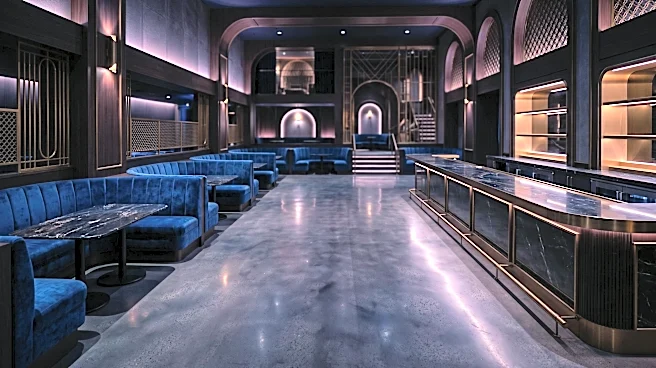
Several prominent queer nightclubs in Los Angeles, particularly those catering to queer clubgoers of color, have experienced the mysterious suspension of their Facebook and Instagram pages in recent months. Owners, including Marty Sokol of Club Cobra
and Mitch Edelson of Catch One, reported that their pages were taken down without clear explanation or warning from Meta, the parent company of Instagram and Facebook. These suspensions have severely impacted the venues' ability to communicate with their audiences, advertise events, and sell tickets, leading to significant drops in attendance and revenue. The issue is attributed to Meta's increasing reliance on AI for content moderation, which was rolled out in March following an $18 billion settlement with U.S. states regarding harm to children and amidst layoffs of human content moderators. While Meta spokesman Daniel Roberts stated the company is committed to reducing enforcement mistakes with AI, club owners describe the appeal process as unresponsive and automated, often requiring personal identification and facial recognition scans.
Why It's Important?
The suspension of these social media pages highlights a critical vulnerability for small businesses, especially those within niche communities like queer nightlife, that heavily rely on platforms like Instagram and Facebook for their operations and community engagement. For these venues, social media is not just a marketing tool but a primary means of connection and survival. The sudden loss of their online presence has resulted in substantial financial losses, with some owners reporting up to an 80% decrease in ticket sales. This situation underscores the broader implications of AI-driven content moderation, where automated systems can inadvertently disrupt legitimate businesses and communities without adequate human oversight or clear recourse. State political leaders, such as Assemblymember Mark González, have expressed concern that this trend could be devastating for queer nightlife, emphasizing the importance of these online spaces for sharing resources, culture, and promoting safe environments for the LGBTQ+ community.
What's Next?
Following media attention and intervention from political figures like Assemblymember Mark González, some of the suspended pages, including Catch One and Club Cobra, have been restored. González's office has a standing relationship with Meta and is actively working to connect with their support staff to ensure the restoration of affected pages. While the immediate crisis for some clubs has been averted, the underlying issue of AI content moderation and its impact on vulnerable communities remains. Club owners, despite having their pages back, are now considering diversifying their outreach strategies to reduce their dependence on Meta's platforms, exploring alternatives like TikTok ads and email lists. The incident also raises questions about the future of content moderation, the need for more transparent appeal processes, and the potential for algorithms to disproportionately affect certain communities.
Beyond the Headlines
This situation delves into the complex ethical and societal implications of artificial intelligence in content moderation. The reliance on AI, while intended to streamline processes and enforce community guidelines, has demonstrated a significant flaw in its inability to discern context and nuance, leading to the arbitrary penalization of legitimate businesses. The disproportionate impact on queer nightclubs, particularly those serving communities of color, raises concerns about algorithmic bias and the potential for automated systems to inadvertently marginalize already vulnerable groups. The lack of clear communication and human support from Meta during the suspension process further exacerbates the problem, leaving business owners feeling unheard and powerless. This incident serves as a stark reminder of the need for robust human oversight in AI systems, especially when they wield significant power over livelihoods and community spaces, and highlights the ongoing tension between automated efficiency and equitable, context-aware decision-making in the digital sphere.