





What's Happening?
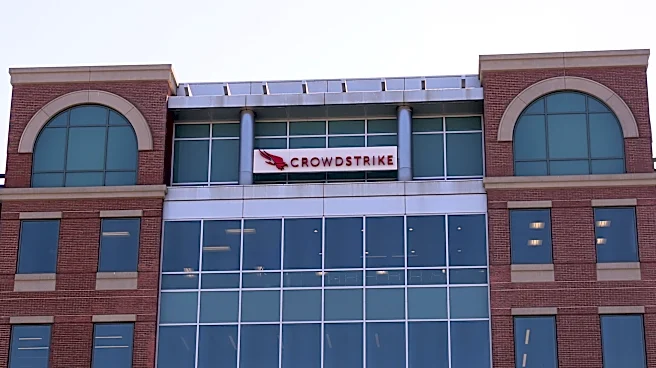
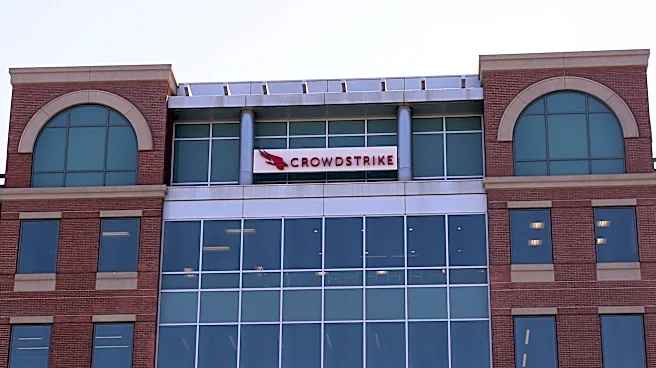
CrowdStrike has announced the general availability of its Falcon AI Gateway, a new feature included with CrowdStrike Falcon Guardian. This gateway aims to provide organizations with a single control point for managing and securing AI traffic across their
networks. As AI agents evolve from answering questions to executing actions, the need for robust control over AI activity has become critical. The Falcon AI Gateway routes AI traffic through a centralized point, allowing for the inspection of prompts and responses, monitoring of AI usage, and enforcement of security policies across both managed and unmanaged devices. This system authenticates each AI request, directs it to the appropriate model provider, applies usage limits, and enforces Falcon Guardian policies before the request reaches the provider and again upon response. This allows organizations to block direct connections to AI model providers and instead route approved applications and workloads through the secure gateway, ensuring all AI interactions adhere to established security protocols.
Why It's Important?
The introduction of Falcon AI Gateway is significant for U.S. businesses and government entities grappling with the rapid proliferation of AI tools and the associated security risks. With AI requests originating from various sources like employee assistants, coding agents, SaaS copilots, and custom applications, managing and securing these interactions has become a complex challenge. This centralized control point helps mitigate risks such as prompt injection, sensitive data leakage, and unauthorized AI usage, which can have severe consequences for data privacy and intellectual property. By providing comprehensive visibility into AI traffic, usage analytics, and policy enforcement, CrowdStrike's new offering enables organizations to safely integrate AI into their operations while maintaining compliance and reducing their attack surface. This is particularly crucial for industries handling sensitive data, where regulatory compliance and data protection are paramount, offering a standardized approach to AI governance.
What's Next?
Organizations are expected to begin integrating Falcon AI Gateway into their existing cybersecurity frameworks to enhance their AI security posture. The immediate next steps for many will involve configuring the gateway to route approved AI applications and workloads, while simultaneously implementing network controls to block direct connections to AI model providers. This will require collaboration between IT security teams and development teams to ensure seamless integration and minimal disruption to AI-driven workflows. CrowdStrike will likely continue to enhance the gateway's capabilities, potentially adding support for more AI model providers and advanced threat detection features specific to AI interactions. Furthermore, the adoption of such centralized AI control points could influence industry best practices for AI governance and security, potentially leading to new standards or regulatory guidelines as the use of AI agents becomes more widespread and sophisticated.
Beyond the Headlines
The Falcon AI Gateway represents a deeper shift in cybersecurity strategy, moving beyond traditional endpoint and network protection to address the unique challenges posed by AI. This development highlights the growing recognition that AI, while transformative, also introduces new vectors for cyberattacks and data breaches. The ethical implications of AI usage, such as potential biases in AI responses or the misuse of AI agents, can also be partially addressed through such control points by enforcing policies that filter harmful or inappropriate content. Long-term, this could lead to a more integrated approach to security where AI governance is not just a compliance checkbox but a fundamental component of an organization's overall risk management strategy. The ability to monitor and control AI interactions at a granular level could also foster greater trust in AI technologies, encouraging broader adoption across various sectors while mitigating inherent risks.