



What's Happening?
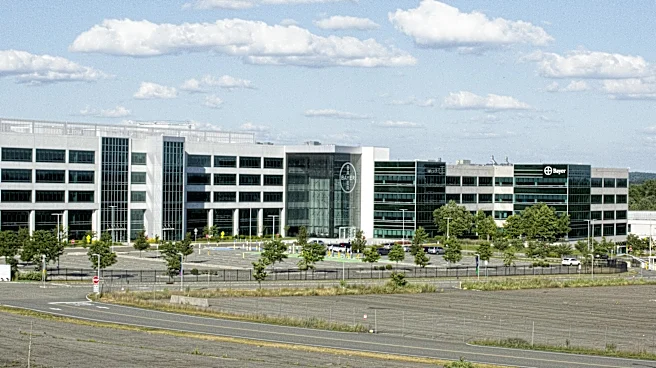
Bayer has entered into an agreement to acquire exclusive global rights, excluding mainland China, Hong Kong, Macao, and Taiwan, to develop and sell HS-20122, an experimental anticancer drug from China's Hansoh Pharma. The deal, which is contingent on relevant
antitrust approvals, could be valued at up to $3.25 billion. Hansoh Pharma is set to receive an upfront payment of $150 million. Additionally, Hansoh could receive up to $3.1 billion in milestone payments tied to the drug's development, registration, and market launch, along with royalties on future sales. HS-20122 is described as a bispecific antibody-drug conjugate designed to deliver cytotoxic agents directly to tumor cells. It targets both EGFR and c-MET receptors, which are implicated in tumor development and resistance to treatment. The drug is intended for common solid tumors, including non-small cell lung cancer (NSCLC). Promising Phase 1 safety and efficacy results for HS-20122 were presented at the 2026 Congress of the European Society for Medical Oncology.
Why It's Important?
This acquisition is significant for Bayer as it expands its oncology pipeline with a potentially high-impact drug for solid tumors, particularly non-small cell lung cancer, which remains a leading cause of cancer-related morbidity and mortality globally. The deal underscores the pharmaceutical industry's ongoing pursuit of innovative treatments for difficult-to-treat cancers. For Hansoh Pharma, the agreement provides substantial financial resources and validates its research and development capabilities on an international stage. The focus on bispecific antibody-drug conjugates represents a cutting-edge approach in cancer therapy, aiming for more targeted delivery of cytotoxic agents to minimize side effects and improve efficacy. The substantial investment by Bayer reflects confidence in HS-20122's potential to address unmet medical needs in oncology, particularly given the continued demand for more effective and tolerable lung cancer treatments.
What's Next?
The immediate next step for this agreement is the completion of relevant antitrust approvals. Following these approvals, Bayer will assume responsibility for the global development and commercialization of HS-20122 in the licensed territories. This will likely involve advancing the drug through further clinical trial phases, including Phase 2 and Phase 3 studies, to gather more comprehensive safety and efficacy data required for regulatory submissions. Hansoh Pharma will continue to hold rights for the drug in mainland China, Hong Kong, Macao, and Taiwan, potentially pursuing its own development and commercialization strategies in those regions. The success of HS-20122 in subsequent clinical trials will determine its eventual market entry and impact on cancer treatment paradigms. The pharmaceutical industry will closely watch the drug's progress, as successful development could lead to a new therapeutic option for patients with solid tumors.
Beyond the Headlines
This deal highlights a growing trend of Western pharmaceutical giants collaborating with or acquiring assets from Chinese biopharmaceutical companies, signaling the increasing innovation and scientific prowess emerging from China's biotech sector. It also reflects the global nature of drug discovery and development, where promising compounds can originate from diverse geographical locations. The focus on bispecific antibody-drug conjugates represents a strategic shift in oncology, moving towards more precise and potent therapies that can overcome resistance mechanisms seen with conventional treatments. If successful, HS-20122 could not only offer a new treatment option but also influence future research and development in oncology, encouraging further exploration of multi-targeted drug conjugates. The financial structure of the deal, with significant milestone payments, incentivizes Hansoh Pharma's continued involvement and success in the drug's development, fostering a collaborative model for global drug innovation.