








What's Happening?
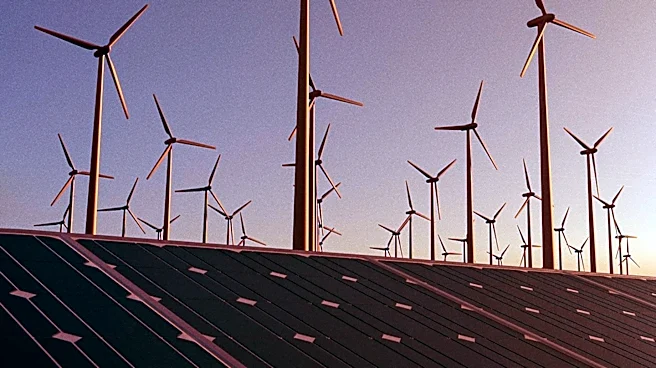
The copper market is experiencing a critical period as demand for electrification, renewable energy infrastructure, and electric vehicles accelerates. Despite ample copper resources, the industry faces challenges in developing new mines quickly enough
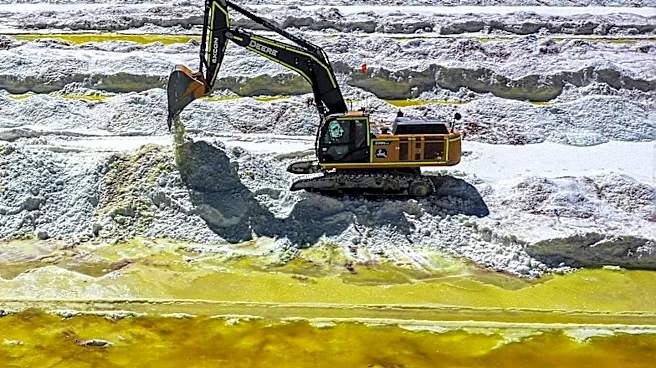
to meet demand. The International Copper Study Group forecasts a 150,000-tonne deficit by 2026, with JP Morgan projecting a 330,000-tonne shortfall. The slowdown in new copper deposit discoveries, due to reduced funding for grassroots exploration, exacerbates these concerns. However, existing mines and projects have delivered significant copper resources, indicating that the issue lies in the pace of development rather than resource scarcity.
Why It's Important?
Copper is a critical component in various industries, particularly in the transition to renewable energy and electrification. The anticipated supply deficits could impact the pace of these transitions, affecting industries reliant on copper for infrastructure and technology. The pressure to produce copper sustainably adds complexity, as producers must balance environmental performance with increased output. This situation highlights the need for strategic investments in mining and exploration to ensure a stable supply chain, which is vital for economic growth and technological advancement.
What's Next?
Exploration and development efforts are intensifying globally, with companies racing to uncover new copper projects. In Australia, significant investments are being made in exploration, with projects like the Whim Creek Copper Project and the Emu copper-gold prospect leading the charge. Globally, efforts are also underway in regions like Chile and Arizona. As these projects progress, they may help alleviate some supply pressures, but the industry must continue to innovate and invest in sustainable practices to meet future demand. Analysts predict that copper prices could rise significantly, reflecting the tight supply-demand balance.