


What's Happening?
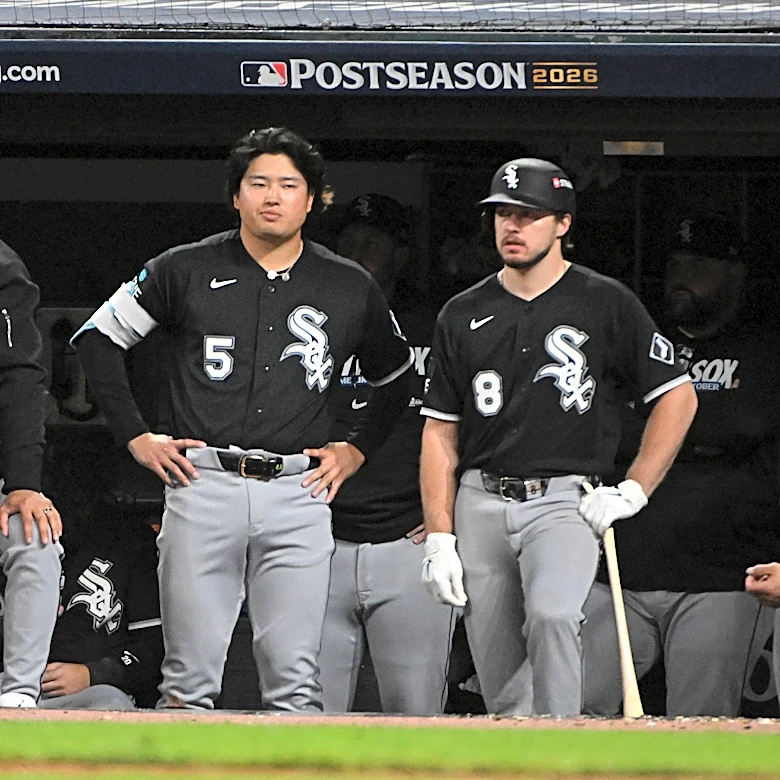
Major League Baseball (MLB) postseason games will be broadcast nationally across FOX, FS1, ESPN, TBS, and MLB Network, with no blackouts for these national broadcasts. This ensures that all fans across the United States can access these critical games.
For regular-season games, however, local blackout rules still apply, particularly for regional sports networks (RSNs). YouTube TV, a popular live-TV streaming service, carries major national MLB broadcasters and select RSNs, but its availability for specific team RSNs varies by market and is subject to these local blackout restrictions. This means that while national postseason games are universally accessible, fans trying to watch their local team's regular-season games on YouTube TV might encounter blackouts depending on their geographic location and the specific RSN agreements.
Why It's Important?
The absence of blackouts for MLB postseason games is significant for national viewership and fan engagement, ensuring that the most crucial games of the season are widely accessible. This broad availability can boost ratings and advertising revenue for broadcasters and the league. Conversely, the continued application of local blackout rules for regular-season games, even on platforms like YouTube TV, remains a point of contention for many fans. These blackouts often prevent in-market viewers from watching their local teams, forcing them to seek alternative, sometimes more expensive, viewing options or miss games entirely. This impacts fan loyalty and can create frustration, highlighting the ongoing tension between traditional broadcast rights, regional market protection, and the evolving landscape of digital streaming.
What's Next?
Fans can expect to continue accessing MLB postseason games without blackout restrictions on national channels. For regular-season games, the landscape of local blackouts on streaming services like YouTube TV is likely to remain complex. Viewers will need to verify RSN availability and potential blackout rules directly with YouTube TV or other streaming providers based on their specific market. The ongoing evolution of sports broadcasting rights, including potential shifts in how regional games are distributed and the increasing prevalence of direct-to-consumer options like MLB.tv (which also has blackout rules), suggests that the discussion around blackouts will persist. Future negotiations between leagues, broadcasters, and streaming platforms may eventually lead to changes, but for the immediate future, local blackouts for regular-season MLB games are expected to continue.
Beyond the Headlines
The issue of sports blackouts extends beyond mere inconvenience; it touches upon broader themes of consumer rights, market control, and the future of media consumption. Blackouts are a legacy of a broadcast model designed to protect local team revenues and regional cable providers. In the digital age, where content is expected to be accessible anywhere, these restrictions often feel anachronistic. The continued enforcement of blackouts highlights the power of traditional media contracts and the challenges of adapting them to new technologies. It also raises questions about equitable access to sports content, as fans in certain geographic areas are effectively penalized. As streaming services gain more prominence, the pressure to reform or eliminate blackouts will likely intensify, potentially leading to new models for sports distribution that prioritize broader fan access while still ensuring financial viability for teams and leagues.