



What's Happening?
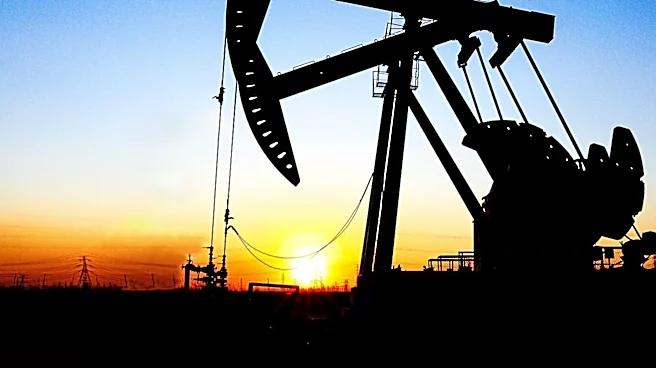
New data on U.S. inflation is anticipated to show a slight easing in July, despite recent energy price fluctuations due to geopolitical tensions with Iran. Economists predict a 3.4% year-over-year increase in the Consumer Price Index, down from June's
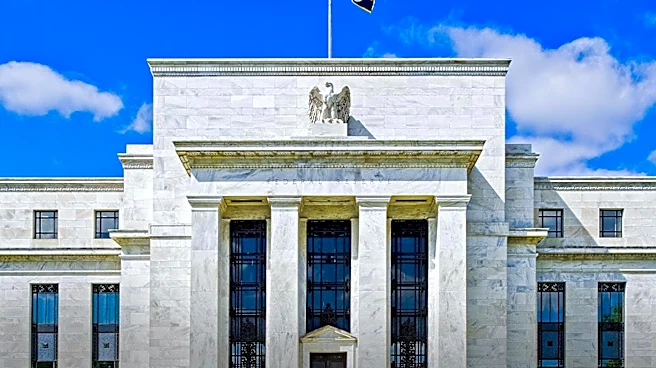
3.5%. Core inflation, excluding food and energy, is expected to rise by 2.5% annually. The Federal Reserve faces a challenging decision on whether to raise interest rates in September, as inflation remains above its 2% target while the labor market shows signs of weakening.
Why It's Important?
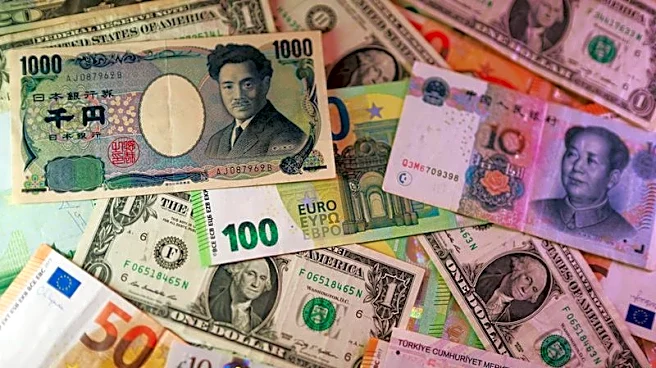
The potential easing of inflation could influence the Federal Reserve's monetary policy decisions, impacting interest rates and economic growth. A rate hike could affect borrowing costs for consumers and businesses, influencing spending and investment. The Fed's actions are closely watched by financial markets, as they can affect stock prices, bond yields, and currency values. The outcome of the Fed's decision will have significant implications for economic stability and growth prospects in the U.S.
What's Next?
The Federal Reserve will continue to monitor inflation and labor market data ahead of its September meeting. Traders currently see a 50-50 chance of a 25 basis point rate hike. The Fed's decision will depend on upcoming economic indicators and geopolitical developments, particularly in the energy sector. Stakeholders, including businesses and investors, will be closely watching for signals from the Fed regarding its future policy direction.