





What's Happening?
Economists categorize the causes of inflation into three main types: demand-pull, cost-push, and monetary inflation. Demand-pull inflation occurs when total spending outpaces the economy's production capacity, often due to increased consumer confidence,
government spending, or low interest rates. Cost-push inflation arises from increased production costs, such as rising wages, raw material prices, supply-chain disruptions, or new regulations. Monetary inflation results from an excessive growth in the money supply, where too many dollars chase a limited number of goods. Recessions, characterized by a sustained decline in economic activity, typically stem from a collapse in aggregate demand (e.g., consumer pessimism, financial crises), negative supply shocks (e.g., sudden scarcity of critical inputs), or deliberate tight monetary policy by central banks. The AD-AS model is a key tool for visualizing these shifts, showing that rightward aggregate demand (AD) or leftward aggregate supply (AS) shifts cause inflation, while leftward AD shifts cause recession.
Why It's Important?
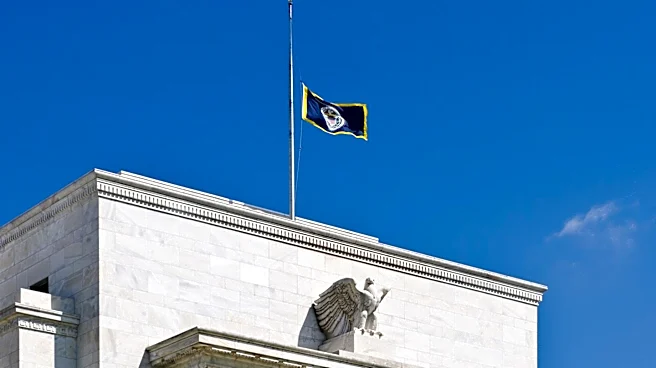
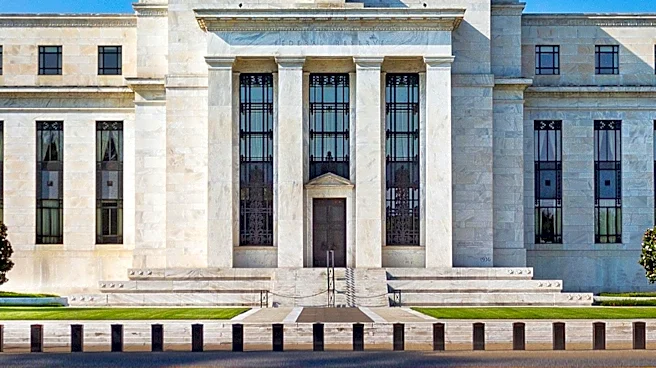
Understanding the causes of inflation and recession is crucial for policymakers, businesses, and individuals in the U.S. The constant trade-off faced by policymakers—fighting inflation risks recession, and fighting recession risks inflation—underscores the complexity of economic management. For instance, when the Federal Reserve raises interest rates to combat inflation, it makes borrowing more expensive, which can cool economic activity but also risks tipping the economy into a recession. Businesses are directly affected by these economic forces, as inflation erodes purchasing power and increases operational costs, while recessions lead to reduced consumer spending and potential layoffs. Consumers, in turn, experience the impact through higher prices, fewer job opportunities, and smaller wage increases. The hardest scenario, stagflation, where both high inflation and economic stagnation occur simultaneously, presents a significant challenge for standard policy tools, as actions to address one problem can exacerbate the other.
What's Next?
Policymakers will continue to navigate the delicate balance of managing inflation and preventing a recession. The Federal Reserve's decisions on interest rates will be closely watched, as aggressive tightening could lead to an economic slowdown. Businesses will need to adapt to fluctuating costs and consumer demand, potentially adjusting pricing strategies, production levels, and hiring plans. Consumers should be prepared for potential shifts in the job market and continued price volatility. The ongoing monitoring of economic indicators, such as those tracked by Kitchen Table Economics, will provide crucial insights into the economy's direction. The effectiveness of policy interventions will depend on accurately identifying the predominant cause of economic shifts—whether it's demand-driven, supply-driven, or monetary—to apply the most appropriate remedies and mitigate adverse effects on the U.S. economy.
Beyond the Headlines
The conceptual understanding of inflation and recession extends beyond immediate economic impacts, touching upon the psychological aspects of consumer confidence and the structural vulnerabilities of supply chains. Consumer pessimism, for example, can trigger a 'negative multiplier effect,' where reduced spending leads to further economic contraction. The reliance on global supply chains means that geopolitical events or natural disasters can cause 'supply shocks' that quickly translate into domestic inflation and reduced output. The historical link between rapid money-supply growth and high inflation, as articulated by Milton Friedman, highlights the long-term consequences of monetary policy. These underlying dynamics suggest that economic stability is not merely a function of policy decisions but also of broader societal and global factors, requiring a holistic approach to economic resilience and risk management.