





What's Happening?
Dietitians are emphasizing the role of high-protein plant foods, particularly those rich in soluble fiber, in managing and lowering cholesterol levels. While the cholesterol in food itself is no longer considered a direct impact on blood cholesterol,
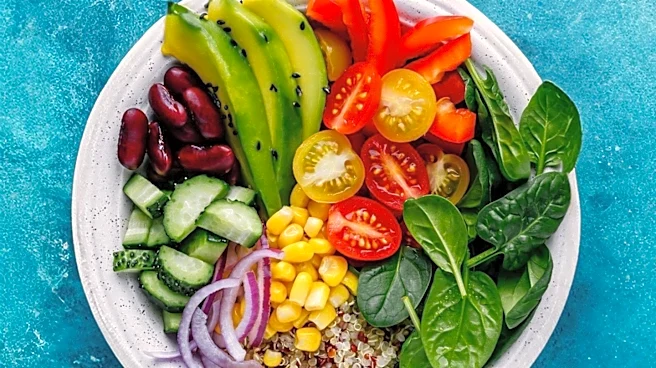
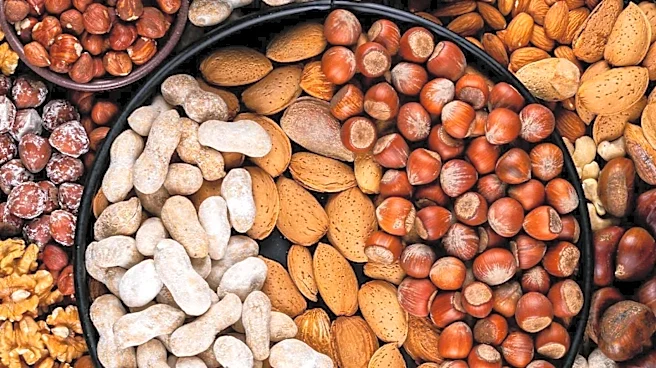
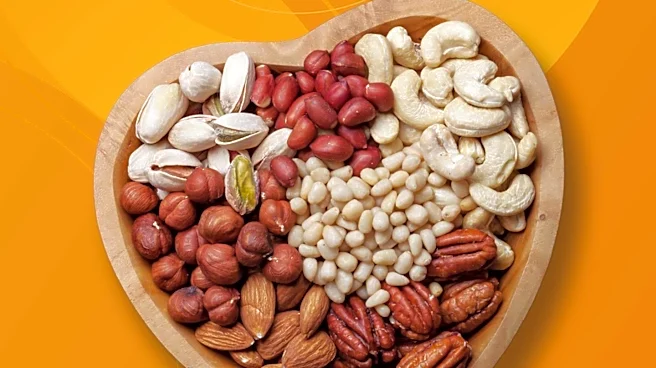
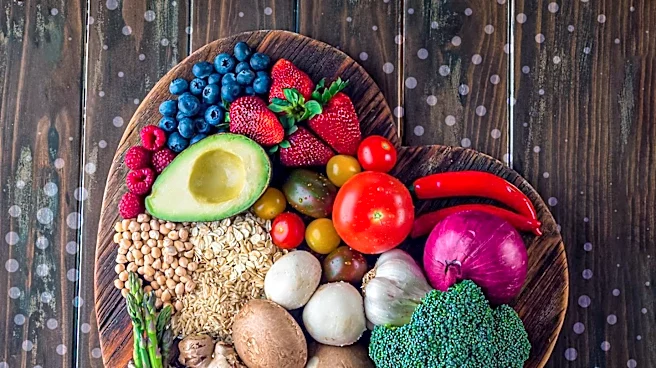
dietary choices remain crucial. Natalie Rizzo, a registered dietitian and TODAY nutrition editor, highlights that soluble fiber binds to cholesterol and bile acids in the digestive tract, facilitating their removal from the body. This process, over time, can help reduce LDL, or 'bad,' cholesterol. Beans are identified as a top choice due to their excellent combination of plant-based protein and soluble fiber, with navy beans offering over 9 grams of fiber per serving. Other beneficial plant proteins include lentils, which are low in saturated fat and provide significant fiber, and nuts, especially almonds and walnuts, which offer heart-healthy unsaturated fats that can replace saturated fats in the diet.
Why It's Important?
The emphasis on plant-based proteins for cholesterol management has significant implications for public health and the food industry in the U.S. With heart disease remaining a leading cause of death, dietary interventions that are accessible and effective are crucial. This guidance encourages a shift towards plant-rich diets, potentially boosting demand for legumes, nuts, and whole grains. For consumers, incorporating these foods can lead to improved cardiovascular health and a reduced risk of chronic diseases. The food industry may see increased innovation in plant-based product development and marketing, focusing on fiber content and heart-healthy benefits. This dietary advice also empowers individuals to take proactive steps in managing their health through informed food choices, potentially reducing reliance on pharmaceutical interventions for cholesterol control.
What's Next?
Consumers are likely to see continued promotion of plant-based diets and soluble fiber-rich foods from health organizations and nutrition experts. Food manufacturers may respond by developing more products featuring beans, lentils, and nuts, and by clearly labeling fiber content and heart-health benefits. Educational campaigns could further inform the public about the specific benefits of soluble fiber and plant proteins in cholesterol management. Retailers might adjust their offerings to meet increased demand for these ingredients. Further research may also explore the long-term impacts of widespread adoption of these dietary recommendations on public health outcomes and healthcare costs. The trend towards plant-based eating is expected to continue, driven by both health and environmental considerations.
Beyond the Headlines
Beyond the immediate health benefits, the promotion of plant-based proteins for cholesterol reduction touches upon broader societal and environmental themes. A shift towards plant-rich diets can contribute to more sustainable food systems, reducing the environmental footprint associated with animal agriculture. Ethically, it aligns with growing consumer interest in plant-based and cruelty-free food options. Culturally, it challenges traditional American dietary patterns often centered around meat and processed foods, encouraging a re-evaluation of culinary traditions and food preparation. The focus on whole, unprocessed plant foods also highlights the importance of nutritional literacy and empowers individuals to make informed choices that benefit both their personal health and the planet. This dietary evolution could lead to a more holistic approach to health, integrating nutrition with environmental and ethical considerations.