







What's Happening?
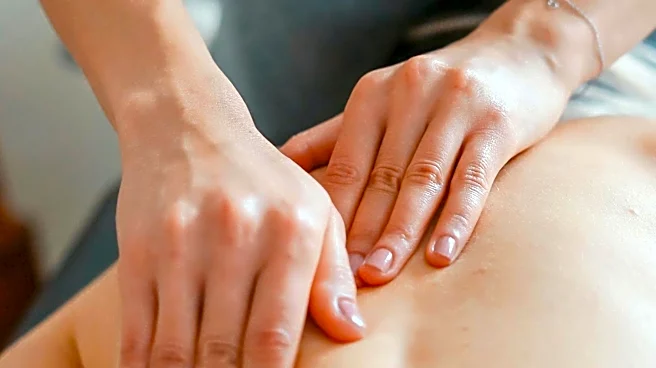
Ivy Tech Indianapolis is providing free 60-minute therapeutic massages to the public. This initiative allows students enrolled in the Therapeutic Massage program to gain essential hands-on experience with clients, preparing them for careers in the wellness
industry. The massages are available to anyone and can be booked online. This program addresses the high cost of professional massages, which typically range from $60 to $150 for a 60-minute session, according to the online service marketplace Thervo. Dr. Bethany Gray, associated with the program, highlights the dual benefit of providing valuable practical experience for students and offering an accessible health service to community members who might otherwise be unable to afford professional massage therapy. The student-run clinic aims to make wellness services more equitable and available to a broader segment of the population in Indianapolis.
Why It's Important?
This program is significant for several reasons. For Ivy Tech students, it offers crucial real-world experience that is vital for their professional development and future employment in the growing wellness sector. Practical application of skills is paramount in therapeutic fields, and direct client interaction under supervision provides invaluable learning opportunities. For the Indianapolis community, the initiative makes therapeutic massages accessible to individuals who may view such services as a luxury due to cost. This can contribute to improved public health and well-being, as massages are often sought for stress relief, pain management, and overall physical and mental health benefits. By removing financial barriers, Ivy Tech is helping to democratize access to wellness services, fostering a healthier community while simultaneously training its future workforce.
What's Next?
The Ivy Tech Indianapolis Therapeutic Massage program is expected to continue offering these free sessions as an ongoing component of its curriculum. This will ensure a continuous supply of practical experience for new cohorts of students entering the program. The success of this initiative could potentially inspire similar programs in other vocational training institutions, expanding access to affordable services in various fields while providing students with necessary practical skills. Community members in Indianapolis can continue to utilize this service, benefiting from the free massages and supporting the educational journey of aspiring massage therapists. The program's continued operation will likely reinforce its role as a valuable community resource and a key training ground for wellness professionals.
Beyond the Headlines
Beyond the immediate benefits of student training and public access to massages, this initiative highlights a broader trend in vocational education: integrating community service with practical learning. This model not only equips students with job-ready skills but also addresses societal needs, particularly in areas where services might be cost-prohibitive for many. It underscores the role of educational institutions as community partners, contributing directly to local well-being and economic development. Furthermore, it challenges the perception of therapeutic massages as an exclusive luxury, positioning them as a more accessible component of general health and wellness. This approach could foster greater public awareness of the benefits of such therapies and potentially influence healthcare models to consider more inclusive access to wellness services.