





What's Happening?
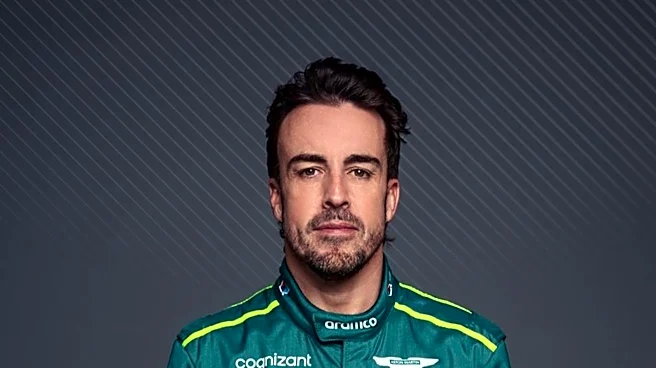
Fernando Alonso has signed a contract extension with Aston Martin, committing him to Formula 1 through the 2027 season. This deal will see Alonso, who will be 46 years old in 2027, continue his racing career for a 24th year in the sport. The extension puts
an end to months of speculation regarding his future with the team. Alonso revealed that the negotiation with Aston Martin chairman Lawrence Stroll was remarkably brief, lasting only five minutes. He cited an enduring 'fire inside' and the belief that he can still perform better than others as key motivators for his decision. Alonso also dismissed suggestions that family concerns influenced his decision, stating it was more about his personal relationship with motorsport. The extension aligns with Aston Martin's long-term plans, as they are building towards the 2027 season, which will introduce a new power unit era and significant factory investments. Alonso's continued presence provides the team with an experienced driver as they aim to compete with established front-runners.
Why It's Important?
This contract extension is significant for both Fernando Alonso and Aston Martin, as well as the broader Formula 1 landscape. For Alonso, it solidifies his position as one of the sport's most enduring and competitive figures, demonstrating his unwavering passion and commitment to racing at an age where many drivers have retired. For Aston Martin, retaining a two-time world champion provides stability and a high-caliber driver to lead their development efforts, particularly as they prepare for the significant technical regulation changes in 2027. His experience will be invaluable in guiding the team through the transition to new power unit regulations and optimizing their car's performance. The decision also impacts the driver market, as it removes a highly sought-after seat from contention, potentially affecting younger drivers looking to break into Formula 1. Alonso's longevity and continued competitiveness challenge conventional notions of a racing career's lifespan, highlighting the importance of mental drive and adaptability in elite sports.
What's Next?
With Fernando Alonso's contract secured, Aston Martin will continue to focus on improving their performance in the current and upcoming seasons, with a significant eye on the 2027 regulation changes. Alonso has expressed hopes for further tweaks to the rules before next season, particularly concerning the engine regulations and the internal combustion engine and electrical power ratio. The team will be working to optimize their car's setup and strategy, especially concerning tire degradation, which Alonso highlighted as a concern during recent practice sessions. His continued presence will be crucial in providing feedback and direction for the team's technical development. There is also speculation that Alonso might explore competing in other racing series concurrently with his Formula 1 commitments, as he has done in the past, hinting at 'further surprises' in the coming weeks. This could involve participation in endurance races, given that major 24-hour races do not clash with the 2027 Formula 1 calendar.
Beyond the Headlines
Fernando Alonso's decision to extend his Formula 1 career beyond his 46th birthday raises deeper questions about athlete longevity, the evolving demands of elite motorsport, and the balance between experience and youth. His continued presence in a highly competitive and physically demanding sport challenges the traditional career arcs of professional athletes. It underscores the psychological aspect of competition, where an unyielding 'fire inside' can be as crucial as physical prowess. Furthermore, Alonso's role in Aston Martin's development, particularly with the impending 2027 regulation changes, highlights the value of veteran experience in navigating complex technical transitions. His ability to adapt to various engine types and regulations throughout his career positions him as a unique asset. The 'sad irony' noted by some, regarding Alonso occupying a seat that could go to a promising rookie while also running a junior academy, points to the broader challenge of grid bottlenecks and the difficulty for young talent to enter Formula 1. This situation sparks debate about the sport's responsibility to nurture new talent versus the undeniable value of proven, experienced drivers.