




What's Happening?
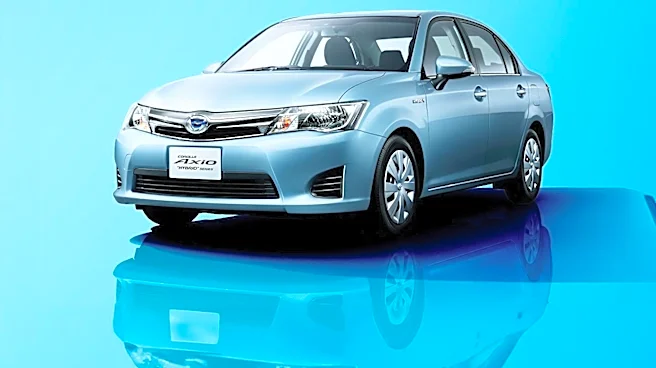
In the wake of the expiration of federal tax credits for electric vehicles in September 2025, the U.S. market has seen a shift in consumer preferences. Hybrid vehicle sales have increased, reaching a record 16% of light-duty vehicle sales in the second
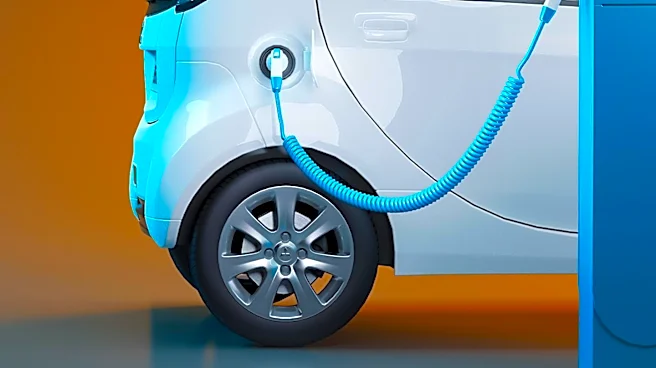
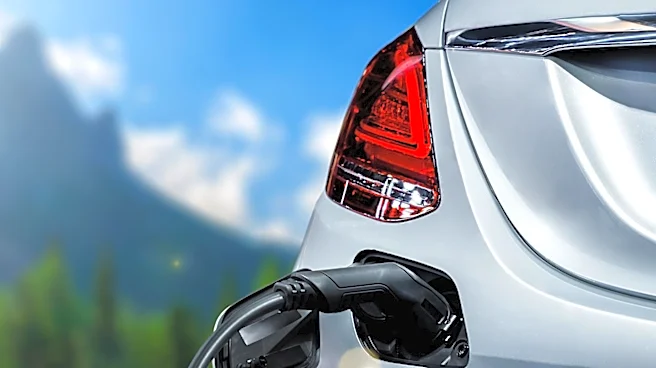
quarter of 2026. In contrast, battery electric vehicle sales have declined, dropping to 6% of new vehicle sales in the first half of 2026. This trend reflects the impact of the expired tax incentives, which had previously boosted electric vehicle sales. The luxury vehicle market, traditionally a stronghold for electric vehicles, has also seen a decrease in electric vehicle sales.
Why It's Important?
The shift in vehicle sales dynamics has significant implications for the automotive industry and energy sector. The decline in electric vehicle sales could slow the transition to cleaner transportation options, affecting efforts to reduce carbon emissions. The rise in hybrid vehicle sales suggests that consumers are seeking alternatives that offer some environmental benefits without the higher costs associated with electric vehicles. This trend may influence automakers' strategies, prompting them to focus more on hybrid models. Additionally, the decrease in electric vehicle sales could impact electricity demand, as fewer vehicles require charging from the grid.
What's Next?
As the automotive industry adapts to these changes, manufacturers may adjust their production and marketing strategies to align with consumer preferences. Policymakers might consider new incentives or regulations to encourage the adoption of electric vehicles and support the transition to sustainable transportation. The industry will likely continue to monitor consumer behavior and market trends to inform future developments. Stakeholders, including environmental groups and energy providers, may advocate for policies that promote electric vehicle adoption to achieve climate goals.