


What's Happening?
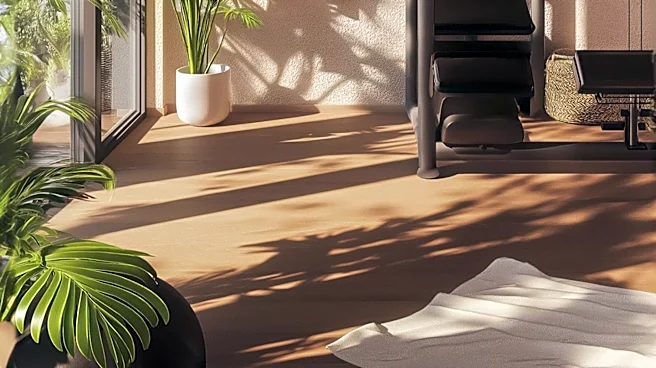
A growing trend in home remodeling involves creating flexible wellness rooms designed to support movement, recovery, and relaxation without requiring a full home addition. These multipurpose spaces are intentionally designed with features like clear floor
space and movable storage to easily transition between different activities such as workouts, recovery, and meditation. The concept emphasizes making daily health routines more accessible and consistent. Key considerations for these rooms include optimizing layout with designated zones for movement, recovery, and support (storage/power), choosing flexible furniture that can be easily stored or reconfigured, and implementing clutter-free storage solutions for quick resets. Additionally, layered natural and adjustable lighting, along with durable and calming materials, are crucial for creating an adaptable and inviting environment. Protecting home comfort systems like heating, cooling, and electrical components is also highlighted, as these systems may work harder in frequently used wellness spaces, making home warranties a relevant consideration.
Why It's Important?
This trend reflects a broader societal shift towards prioritizing personal well-being and integrating health routines into daily life, especially given that 22% of U.S. adults live with mental illness, making everyday stress relief essential. By creating accessible and adaptable wellness spaces at home, individuals can more consistently engage in physical activity, mindfulness, and recovery practices, which can lead to improved physical and mental health outcomes. The emphasis on flexible design and efficient storage addresses common barriers to maintaining wellness routines, such as lack of space or the effort required to set up equipment. This approach also highlights the importance of considering the long-term functionality and maintenance of home systems, potentially influencing consumer choices in home improvement and warranty services. The focus on creating a 'friction-free' environment for wellness activities underscores a practical, behavior-driven approach to health that can have significant positive impacts on individual well-being and productivity.
What's Next?
As this trend continues, consumers can expect to see more innovative products and design solutions tailored for flexible wellness rooms, including multi-functional furniture, smart lighting systems, and integrated storage options. Home remodelers and interior designers will likely further specialize in creating these adaptable spaces, offering expert advice on optimizing layouts and material choices. The market for home wellness equipment, such as compact exercise gear and portable recovery tools, is also expected to grow, catering to the needs of these versatile rooms. Furthermore, there may be an increased demand for home warranty plans that specifically cover the enhanced wear and tear on comfort systems in actively used wellness areas, prompting warranty providers to adapt their offerings. Educational resources for homeowners on how to effectively design and maintain these spaces will also become more prevalent, guiding them in making informed decisions for their health and homes.
Beyond the Headlines
The rise of flexible wellness rooms signifies a deeper cultural integration of health and self-care into the domestic sphere, moving beyond traditional gym memberships or spa visits. This trend suggests a recognition that sustained well-being is fostered through consistent, convenient access to supportive environments. It also highlights a growing consumer demand for homes that are not just aesthetically pleasing but also functionally conducive to a healthy lifestyle. This could lead to a re-evaluation of what constitutes a 'modern' or 'desirable' home, with wellness features becoming as important as traditional amenities. The emphasis on adaptability and ease of use in these spaces reflects a pragmatic approach to health, acknowledging that routines are more likely to stick if they are simple and integrated into daily life. This shift could also influence urban planning and residential architecture, with a greater focus on designing living spaces that inherently support physical and mental health.