









What's Happening?
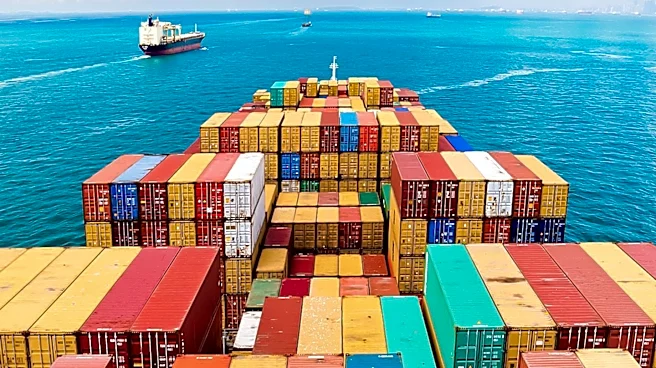
Vietnam's expanding economy and food sector are creating significant opportunities for U.S. agricultural exports. According to the USDA's Foreign Agricultural Service, U.S. agricultural exports to Vietnam reached $4.7 billion in 2025, positioning the United
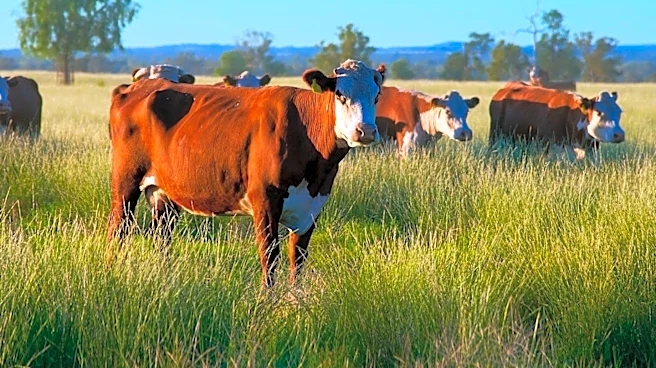
States as Vietnam's second-largest agricultural supplier. The growth is driven by Vietnam's population increase to over 101 million and rising incomes, which have boosted demand for imported food, feed, fiber, and fuel. U.S. cotton exports to Vietnam surged to $1.3 billion in 2025, marking a 122 percent increase, making Vietnam the top market for U.S. cotton. Additionally, soybean exports rose by 20 percent to $581 million, and corn exports saw a significant rise to $394 million. The demand for dairy, poultry, ethanol, fresh fruit, and dried distillers grains is also on the rise, fueled by Vietnam's expanding food-processing sector and livestock industry.
Why It's Important?
The growing demand in Vietnam presents a substantial opportunity for U.S. farmers and agricultural exporters, particularly in cotton, grain, livestock, dairy, and biofuels. This expansion can help U.S. producers diversify their markets and reduce reliance on traditional trading partners. However, the absence of a free trade agreement between the United States and Vietnam poses challenges, as trade barriers and tariffs can limit market access and competitiveness. Successful negotiations to reduce these barriers could enhance U.S. agricultural exports and strengthen economic ties between the two countries. The increased exports to Vietnam could also contribute positively to the U.S. agricultural sector's economic health, supporting jobs and rural economies.
What's Next?
Ongoing negotiations between the United States and Vietnam aim to address trade barriers and improve market access. If successful, these talks could lead to a reduction in tariffs and other trade disadvantages, further boosting U.S. agricultural exports. Stakeholders in the U.S. agricultural sector, including farmers, exporters, and industry groups, are likely to advocate for favorable trade terms to capitalize on Vietnam's growing market. Additionally, monitoring Vietnam's economic policies and market trends will be crucial for U.S. exporters to adapt and maximize their opportunities in this expanding market.