



What's Happening?
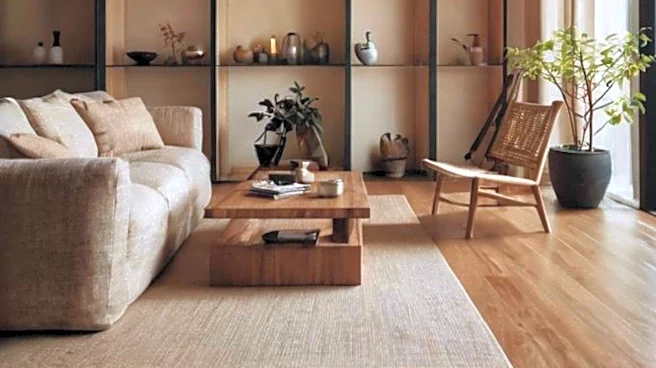
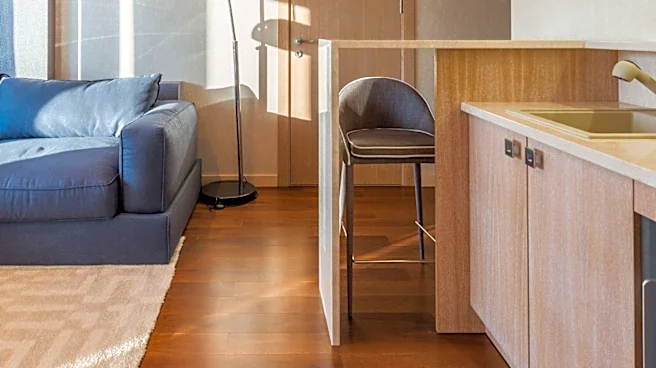
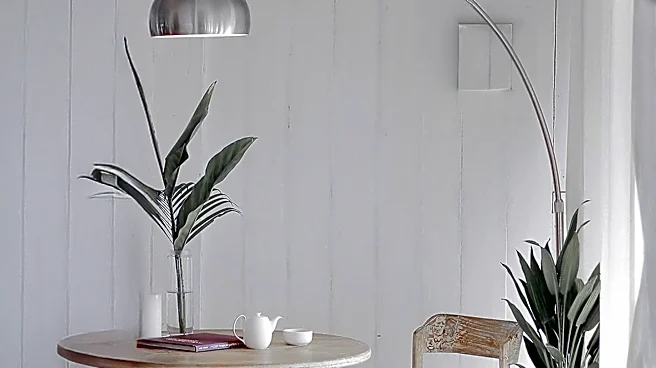
Scandinavian minimalism is a prominent interior design style characterized by its emphasis on simplicity, functionality, and the use of natural materials. This design approach frequently incorporates light woods, soft textiles, and abundant natural light to
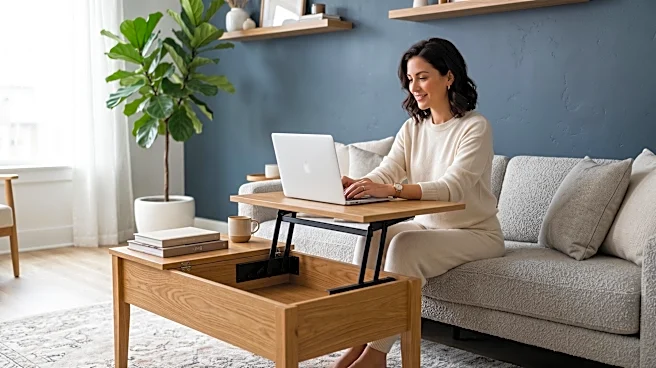
cultivate warm and inviting living spaces. Key features include clean lines, minimal ornamentation, and a restrained color palette, typically favoring neutral tones. Furniture in Scandinavian minimalist design is crafted with functionality in mind, often utilizing natural materials such as walnut or acacia wood. Accessories and decor are selected for both their utility and aesthetic appeal, aiming to avoid clutter and excess. This style is noted for creating interiors that feel warm, functional, and effortlessly cozy throughout the year, as highlighted by HomeTranspose. It contrasts with other styles by stripping away the unnecessary, focusing on negative space and considered furniture to ensure each object holds significance.
Why It's Important?
The enduring popularity of Scandinavian minimalism reflects a broader societal trend towards decluttering and intentional living, impacting consumer choices in home furnishings and decor across the U.S. This design philosophy offers a counter-narrative to consumerism by prioritizing quality, functionality, and sustainability through its use of natural materials and timeless aesthetics. For U.S. industries, this translates into increased demand for sustainably sourced wood, natural fiber textiles, and minimalist furniture designs. Businesses in the home goods sector that adapt to these preferences stand to gain, while those focused on ornate or excessive designs may see reduced market share. The emphasis on natural light and open spaces also influences architectural trends and urban planning, promoting designs that enhance well-being and energy efficiency. This shift encourages a more mindful approach to interior design, where every item serves a purpose and contributes to a serene environment, potentially influencing mental health and productivity within living and working spaces.
What's Next?
The continued evolution of Scandinavian minimalism is expected to see further integration with sustainable practices and smart home technology, maintaining its core principles while adapting to modern needs. Designers and manufacturers will likely explore innovative ways to incorporate eco-friendly materials and production methods, aligning with growing consumer demand for environmentally responsible products. There may also be a trend towards blending Scandinavian minimalism with other design styles, such as contemporary or Japandi, to create hybrid aesthetics that offer both simplicity and unique character. Retailers are anticipated to expand their offerings of minimalist furniture and decor, making this style more accessible to a wider audience. Educational initiatives and design publications will continue to promote the benefits of minimalist living, further solidifying its place in mainstream interior design. The focus on functionality and timelessness suggests that this style will remain relevant, influencing future trends in home decor and architecture.
Beyond the Headlines
Beyond its aesthetic appeal, Scandinavian minimalism embodies a cultural philosophy that values well-being, balance, and a connection to nature. This approach can foster a sense of calm and order in an increasingly chaotic world, offering a sanctuary from external pressures. The emphasis on natural light and materials can also have psychological benefits, promoting a healthier indoor environment and reducing stress. Ethically, the focus on durable, high-quality items over disposable trends encourages conscious consumption and reduces waste, aligning with broader environmental movements. This design style challenges the notion that more is better, advocating for a curated existence where possessions are meaningful and contribute to a harmonious living space. Culturally, it reflects a desire for authenticity and simplicity, moving away from ostentatious displays of wealth towards a more understated elegance that prioritizes comfort and practicality. This shift could lead to a re-evaluation of societal values regarding consumption and lifestyle.