





What's Happening?
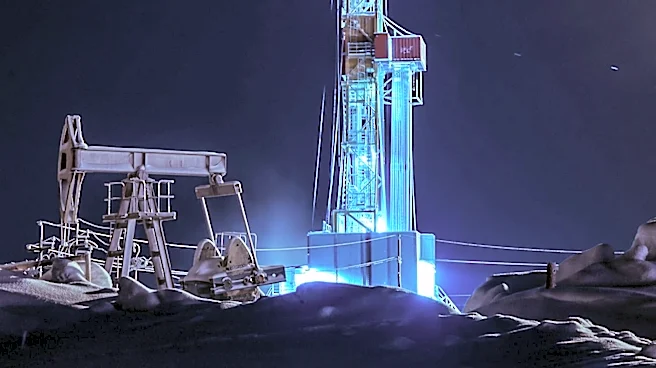
Diamondback Energy, a major independent oil and natural gas company, is currently a focal point for retail investors due to its extensive operations in the Permian Basin of West Texas and southeastern New Mexico. The company generates all of its $16.25
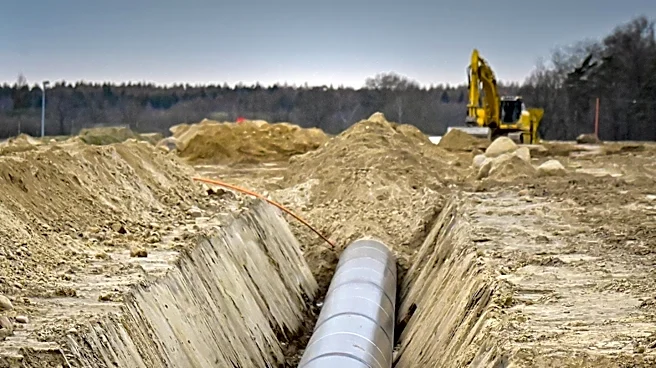
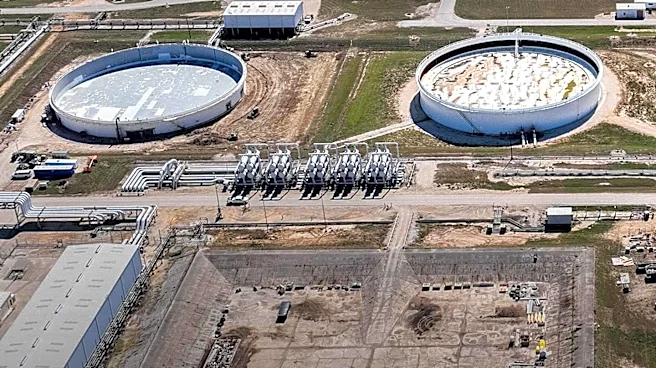
billion in revenue from upstream oil and gas activities within the United States. Its significant scale and upstream focus in the Permian Basin mean its financial performance is closely tied to fluctuations in crude oil prices, particularly those influenced by geopolitical events such as risks in the Strait of Hormuz. Diamondback Energy is also developing a 'wellhead-to-water' gas marketing strategy, which involves securing more pipeline capacity from the Permian to the Gulf Coast and directly engaging with LNG offtakers. This strategy aims to increase revenue from higher-value gas sales and enhance cash flow stability, moving away from its current exposure to the Waha hub.
Why It's Important?
Diamondback Energy's operations are crucial for the U.S. energy sector, particularly in maintaining domestic oil and gas production from the Permian Basin, one of the nation's most prolific energy regions. The company's direct exposure to crude price swings means that global geopolitical tensions, like those affecting the Strait of Hormuz, can have a direct and significant impact on its profitability and, by extension, the broader U.S. energy market. Its strategy to expand gas marketing to the Gulf Coast and engage with LNG offtakers is significant as it could diversify its revenue streams and reduce reliance on volatile crude prices. This move could also bolster the U.S.'s position as a global LNG exporter, influencing international energy markets and trade balances. The success or failure of this gas strategy will have implications for the company's margins and cash returns, affecting investor confidence and potentially influencing other Permian Basin producers to adopt similar diversification tactics.
What's Next?
The immediate future for Diamondback Energy will likely involve continued monitoring of crude oil price volatility, especially in response to ongoing geopolitical developments. The company's new gas marketing strategy, which aims to secure more space from the Permian to the Gulf Coast and engage directly with LNG offtakers, will be a key area of focus. Investors and market analysts will be closely watching how this strategy impacts Diamondback's margins and cash returns, particularly whether it successfully creates incremental revenue from higher-value gas sales and improves cash flow stability. The effectiveness of this 'wellhead-to-water' approach could serve as a case study for other Permian Basin producers looking to diversify their revenue streams and mitigate risks associated with crude price fluctuations. Any shifts in global energy demand or supply, particularly those related to LNG, will also play a role in shaping the outcomes of this strategic pivot.
Beyond the Headlines
Beyond the immediate financial implications, Diamondback Energy's strategic shift towards a 'wellhead-to-water' gas marketing position highlights a broader trend in the U.S. energy industry: the increasing integration of natural gas production with global LNG export capabilities. This move signifies a long-term commitment to leveraging the abundant natural gas resources of the Permian Basin for international markets, potentially solidifying the U.S.'s role as a major global energy supplier. The success of such strategies could lead to significant infrastructure development, including pipelines and export terminals, which would have lasting economic and environmental impacts on the Gulf Coast region. Furthermore, by diversifying away from sole reliance on crude oil, Diamondback Energy and similar companies are adapting to evolving energy landscapes, including growing demand for cleaner-burning natural gas, which could influence future energy policy and investment decisions across the nation.