




What's Happening?
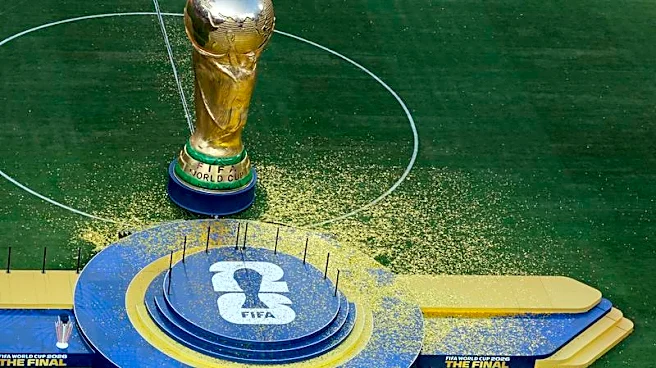
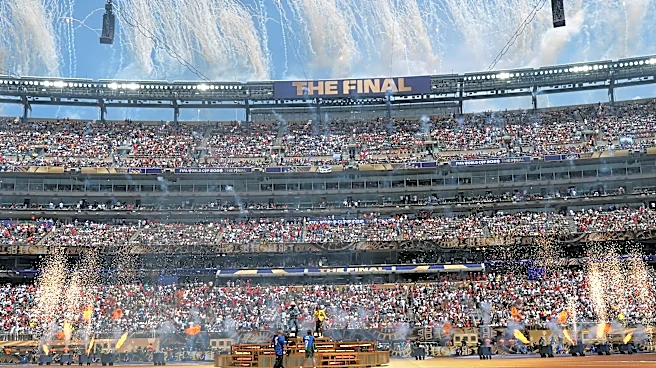
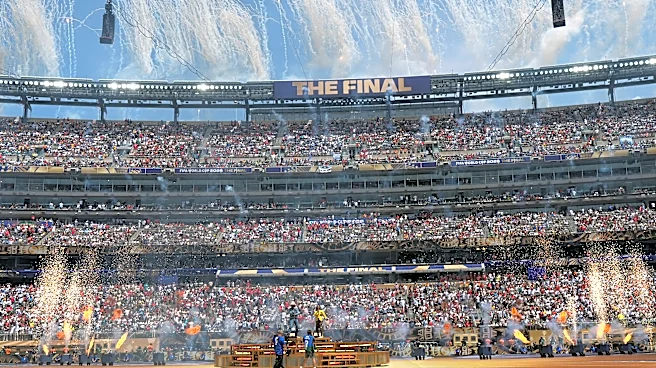
The recent World Cup hosted in the United States, Mexico, and Canada has concluded, marking a significant event in the history of soccer in the U.S. Despite the grand marketing claims of transforming soccer in the country, the real growth of the sport
is expected to be gradual. The tournament, which featured an expanded 48-team format, showcased thrilling matches and standout performances, drawing attention to the sport. However, the immediate impact on the popularity and infrastructure of soccer in the U.S. remains to be seen, as historical trends suggest a slow but steady growth following major tournaments.
Why It's Important?
The World Cup's presence in the U.S. is crucial for the long-term development of soccer in the country. It provides a platform for increased visibility and interest in the sport, potentially inspiring future generations of players and fans. The tournament's success could lead to more investment in soccer infrastructure, youth programs, and professional leagues, contributing to the sport's growth. However, the expectations set by marketing campaigns may not align with the gradual nature of sports development, which requires sustained effort and engagement.
What's Next?
Following the World Cup, stakeholders in U.S. soccer, including leagues, clubs, and governing bodies, will likely focus on capitalizing on the increased interest to build a stronger foundation for the sport. This may involve enhancing youth development programs, improving facilities, and fostering a competitive professional league. The challenge will be to maintain the momentum and convert the temporary surge in interest into long-term growth. Additionally, the success of the tournament may influence future bids for hosting international soccer events.