




What's Happening?
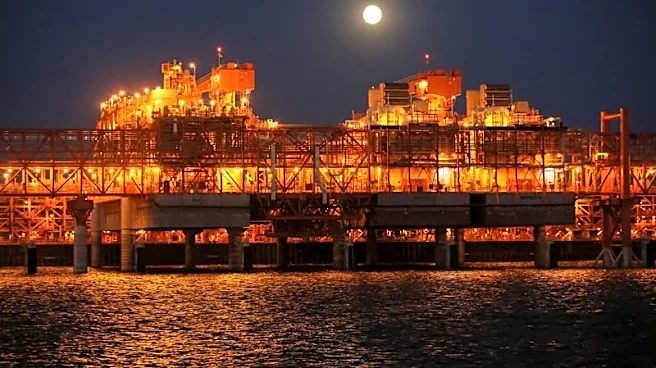
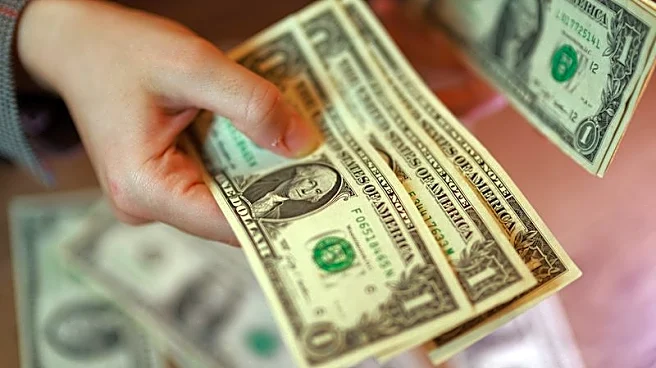
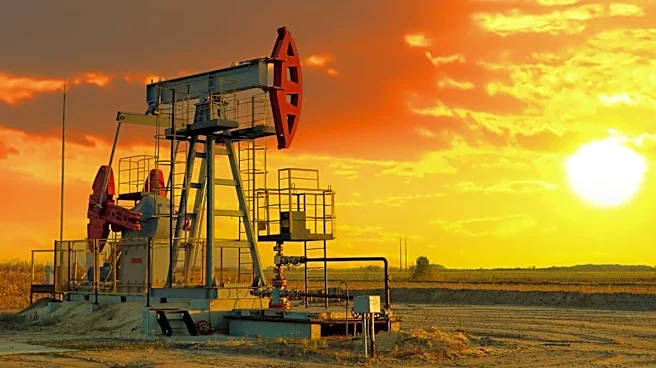
The U.S. dollar has shown a modest increase against major global currencies as tensions between the United States and Iran escalate. This development comes as Brent crude oil prices surged past $90 per barrel, reflecting heightened geopolitical tensions in the Middle
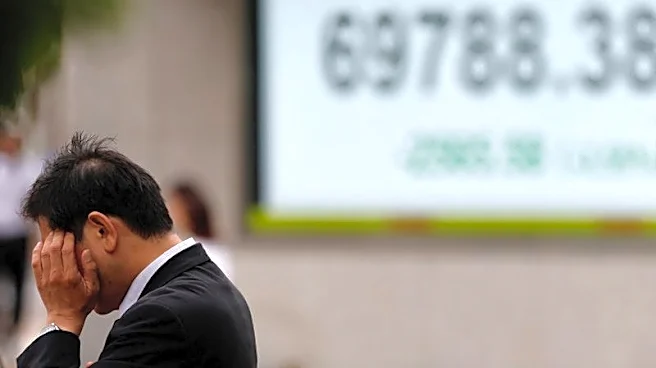
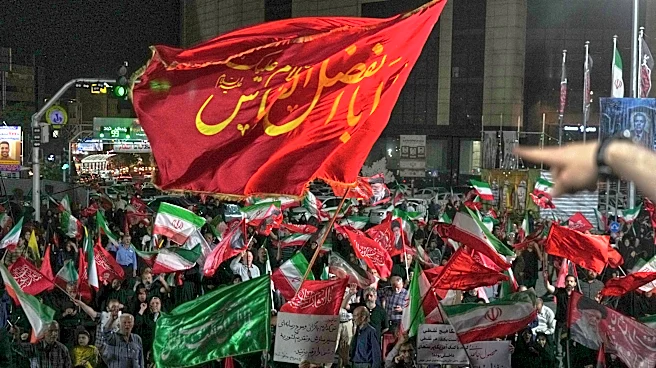
East. The dollar index, which measures the currency's strength against a basket of six others, rose by 0.1% to 100.84. The conflict has led to increased demand for safe-haven assets, with the dollar climbing to its strongest level against the yen since July 9. Meanwhile, the euro and the British pound experienced slight declines against the dollar. The rise in oil prices is attributed to the U.S. conducting a ninth consecutive night of attacks on Iran, following the death of two U.S. military personnel in Jordan. This geopolitical instability has also affected investor sentiment, with concerns about semiconductor valuations further impacting market confidence.
Why It's Important?
The strengthening of the U.S. dollar and the rise in oil prices have significant implications for global markets and the U.S. economy. A stronger dollar can affect U.S. exports by making them more expensive for foreign buyers, potentially impacting trade balances. The increase in oil prices could lead to higher costs for consumers and businesses, influencing inflation rates and economic growth. Additionally, the ongoing conflict in the Middle East poses risks to global energy supplies, which could further drive up prices and affect economic stability. The Federal Reserve's upcoming meeting on July 29 is also in focus, with market participants closely watching for any changes in interest rate policy. The current geopolitical climate and economic indicators suggest a complex environment for policymakers, businesses, and investors.
What's Next?
As the situation between the U.S. and Iran continues to unfold, further developments could impact global financial markets and economic policies. The Federal Reserve's meeting at the end of July will be closely monitored for any shifts in interest rate policy, especially given the recent comments from Cleveland Fed President Beth Hammack about potential rate hikes to combat inflation. Investors and businesses will need to navigate the uncertainties posed by geopolitical tensions and their effects on market dynamics. Additionally, the response from other major economies and international organizations to the U.S.-Iran conflict could influence future diplomatic and economic strategies.