







What's Happening?
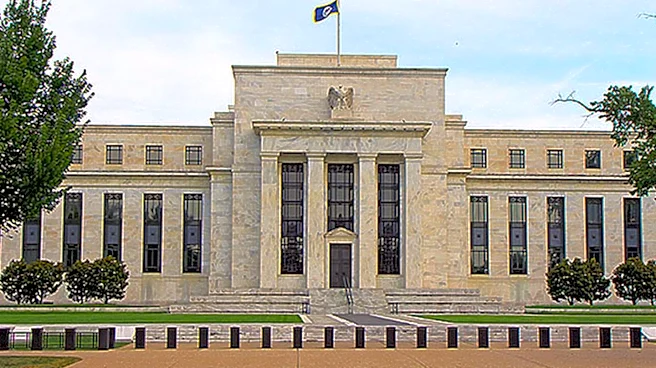
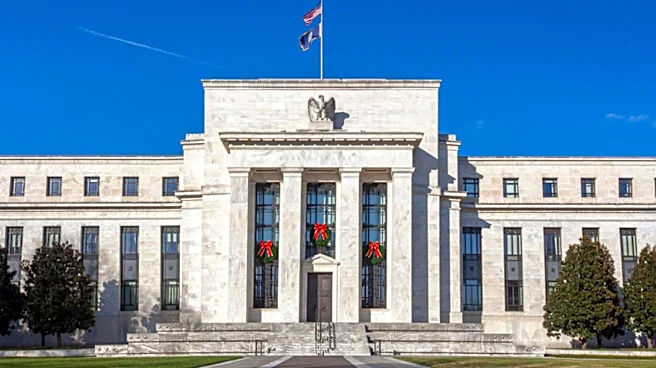
The Federal Reserve Bank of New York has reported a decrease in global supply chain pressures for June, as indicated by its Global Supply Chain Pressure Index, which fell to 1.25 from 1.81 in May. This easing is attributed to the diminishing impact of the Middle
East conflict, which had previously disrupted the transit of goods and energy through the Strait of Hormuz. The current index level is comparable to late 2022, a period marked by recovery from COVID-19 pandemic disruptions. The easing of supply chain pressures is expected to contribute to a moderation in inflation, which had been exacerbated by these disruptions.
Why It's Important?
The reduction in supply chain pressures is a positive development for the global economy, particularly in the context of inflation control. As supply chains stabilize, the costs of goods and energy are expected to decrease, potentially alleviating inflationary pressures that have affected consumers and businesses. This development is crucial for economic stakeholders, including policymakers and businesses, as it may influence monetary policy decisions and business strategies. The easing of pressures also suggests a potential improvement in the availability of goods, which could benefit industries reliant on global supply chains.
What's Next?
Economists and Federal Reserve officials will likely monitor the situation closely to assess the long-term impact on inflation and economic growth. If supply chain pressures continue to ease, it could lead to a more stable economic environment, allowing for more predictable pricing and planning for businesses. The Federal Reserve may adjust its monetary policy stance based on these developments, potentially impacting interest rates and economic forecasts. Businesses may also need to adapt their supply chain strategies to capitalize on the improved conditions.