






What's Happening?
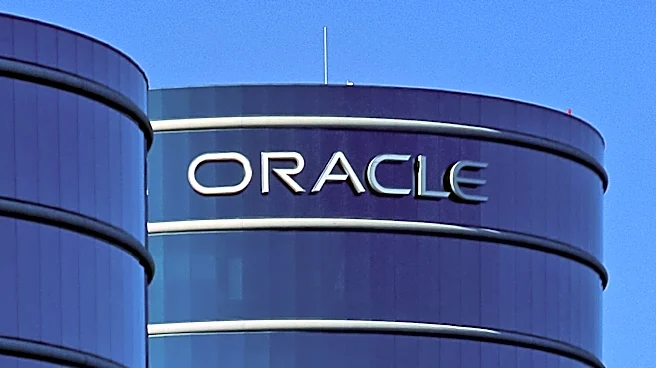
Tennessee Governor Bill Lee, Nashville Mayor Freddie O’Connell, and officials from Oracle celebrated the ceremonial groundbreaking for Oracle's new corporate campus and global headquarters in Nashville. This taxpayer-subsidized development is planned
to cover nearly 80 acres, incorporating office spaces, a hotel, and retail facilities. The initial buildings are projected to open in 2030. A new pedestrian bridge will also be constructed to connect the East Bank with Germantown. Governor Lee and Oracle representatives highlighted Nashville's established healthcare industry as a key factor in attracting the company to the location. Oracle has also committed $10 million to support the Nashville Symphony in reinstating its 2026-27 season, with musicians performing a newly composed piece at the groundbreaking event. However, a small group of protesters gathered outside the event to voice criticism regarding Oracle's involvement with surveillance networks and its work with the Israeli government.
Why It's Important?
This development signifies a substantial economic investment in Nashville and the state of Tennessee, potentially creating numerous jobs and boosting the local economy through construction and long-term operations. The collaboration between Metro Nashville and the state government on such a large-scale economic development and infrastructure project demonstrates a unified approach to attracting major corporations. Oracle's decision to establish its global headquarters in Nashville, influenced by the city's healthcare industry, could further solidify Nashville's reputation as a hub for healthcare innovation and technology. The project's scope, including office, hospitality, and retail spaces, suggests a significant transformation of the East Bank area. The financial contribution to the Nashville Symphony also highlights corporate engagement in local cultural institutions, potentially enhancing the city's arts scene. Conversely, the presence of protesters indicates public concerns regarding corporate ethics and global political involvement, which could lead to ongoing discussions about the social responsibilities of large corporations and the implications of government subsidies for such projects.
What's Next?
Construction on Oracle's corporate campus is set to continue, with the first buildings anticipated to open in 2030. The development will include the construction of a new pedestrian bridge, further integrating the East Bank with Germantown. The Nashville Symphony is expected to utilize Oracle's $10 million contribution to reinstate its 2026-27 season, potentially leading to a resurgence in its programming and community engagement. The ongoing presence of protesters at such events may prompt continued public discourse and scrutiny regarding Oracle's business practices and the broader implications of large-scale corporate developments. Local government and Oracle officials will likely continue to monitor public sentiment and address any concerns that arise as the project progresses. The long-term impact on Nashville's economy and urban landscape will become clearer as the campus takes shape and becomes operational.
Beyond the Headlines
The Oracle development in Nashville extends beyond a simple corporate expansion; it represents a significant shift in urban planning and economic strategy for the region. The substantial taxpayer subsidies involved raise questions about the balance between attracting major businesses and ensuring public benefit, potentially sparking debates on the allocation of public funds for private enterprise. The emphasis on Nashville's healthcare industry as a draw for Oracle suggests a strategic alignment between the city's existing strengths and future economic growth, potentially fostering a specialized tech ecosystem. The protests, though small, highlight the increasing public awareness and scrutiny of corporate social responsibility, particularly concerning issues like surveillance and international relations. This could set a precedent for how future large-scale developments are perceived and challenged by community groups, pushing for greater transparency and ethical considerations in corporate-government partnerships. The project also underscores the evolving nature of urban centers, with major tech companies increasingly choosing cities beyond traditional tech hubs.