




What's Happening?
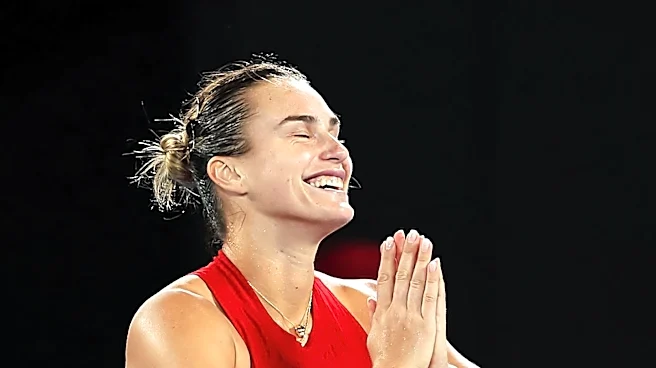
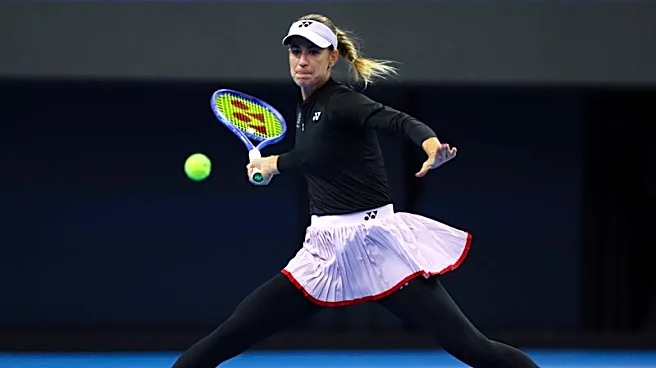
Aryna Sabalenka has been recognized as the world's most marketable athlete for 2026 by SportsPro, marking the first time a tennis player has led the ranking since Naomi Osaka in 2021. Sabalenka, the current female world No. 2, surpassed other prominent
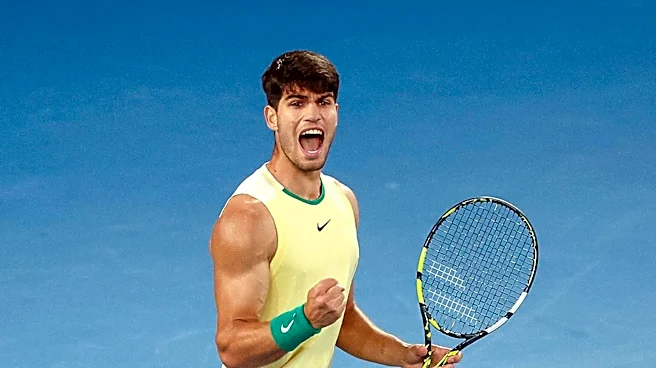
athletes such as Lionel Messi, Cristiano Ronaldo, and Carlos Alcaraz. Her marketability score of 80.95 out of 100 was determined by an evaluation developed with NorthStar Solutions Group, which considers brand value, current momentum, and future commercial potential. This achievement represents a significant leap for Sabalenka, who was ranked 27th in the 2025 edition of the list. The SportsPro ranking, now in its 17th year, assesses athletes across 70 sports using a comprehensive 100-point marketability score. The model focuses on three key areas: Brand Equity (45 points), Momentum (40 points), and Commercial Trajectory (15 points). This methodology evaluates an athlete's established brand, current visibility, and potential for future commercial growth, rather than solely relying on on-court results or social media following. Sabalenka's rise is attributed to her on-court success, including multiple Grand Slam titles, and her outspoken personality, which has enhanced her appeal to sponsors and a broader audience.
Why It's Important?
This recognition of Aryna Sabalenka as the most marketable athlete has significant implications for the sports marketing industry and the broader commercial landscape. Her top ranking highlights a growing trend in athlete endorsements, where a combination of on-court performance and a strong, engaging personality drives commercial value. For U.S. brands and advertisers, Sabalenka's marketability offers a compelling opportunity to connect with a global audience, particularly within the tennis demographic, which is substantial in the U.S. Her partnerships with major brands like Nike, Wilson, Gucci, and Emirates demonstrate the lucrative potential for athletes who can transcend their sport. The estimated $30 million she earned in 2025 from prize money and off-court income underscores the financial impact of such marketability. This also signals a shift in how marketability is assessed, moving beyond mere athletic prowess to include an athlete's overall brand presence and commercial trajectory. For other U.S. athletes and their agents, Sabalenka's success provides a blueprint for building a strong personal brand that attracts high-value endorsement deals, emphasizing the importance of both performance and public persona.
What's Next?
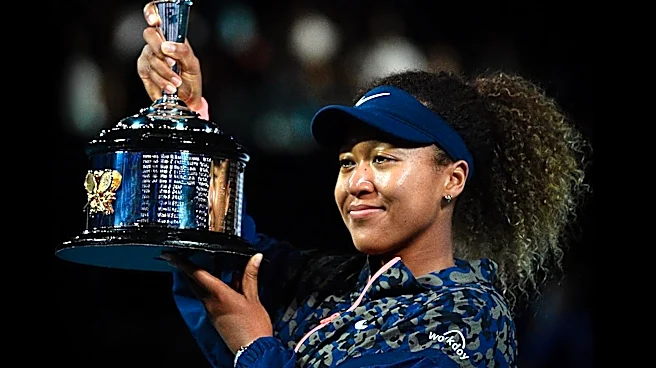
Following her designation as the world's most marketable athlete, Aryna Sabalenka is likely to see an increase in endorsement opportunities and brand partnerships. Her elevated profile will make her an even more attractive figure for global and U.S.-based companies looking to expand their reach. This could lead to new multi-year deals with existing sponsors and the acquisition of new partnerships across various sectors, including fashion, technology, and consumer goods. Her continued success on the court, particularly in major tournaments, will further solidify her commercial appeal. The SportsPro ranking, which considers future commercial potential, suggests that Sabalenka's marketability is expected to remain strong, indicating sustained interest from brands. Other athletes, particularly those in tennis like Carlos Alcaraz, Coco Gauff, and Naomi Osaka, who also feature prominently in the top 50, may also experience a boost in their marketability as brands seek to align with top-tier talent. This trend could lead to increased investment in athlete branding and marketing strategies across the sports industry.
Beyond the Headlines
Sabalenka's ascent to the top of the marketability list reflects a broader cultural shift in how athletes are perceived and valued. Beyond their athletic achievements, their personal brands, public personas, and ability to connect with diverse audiences are becoming increasingly crucial. This trend highlights the growing importance of authenticity and relatability in celebrity endorsements. For the U.S. market, this means that brands are increasingly looking for athletes who can offer more than just athletic excellence; they seek individuals who embody certain values, inspire their fan base, and possess a distinctive voice. Sabalenka's 'outspoken personality' and 'distinctive presence' are key factors in her commercial success, suggesting that athletes who are not afraid to express themselves and engage with their audience on a personal level are more likely to attract lucrative deals. This also raises questions about the evolving role of social media and digital platforms in shaping an athlete's marketability, as these channels provide direct avenues for athletes to cultivate their personal brands and connect with fans globally.