





What's Happening?
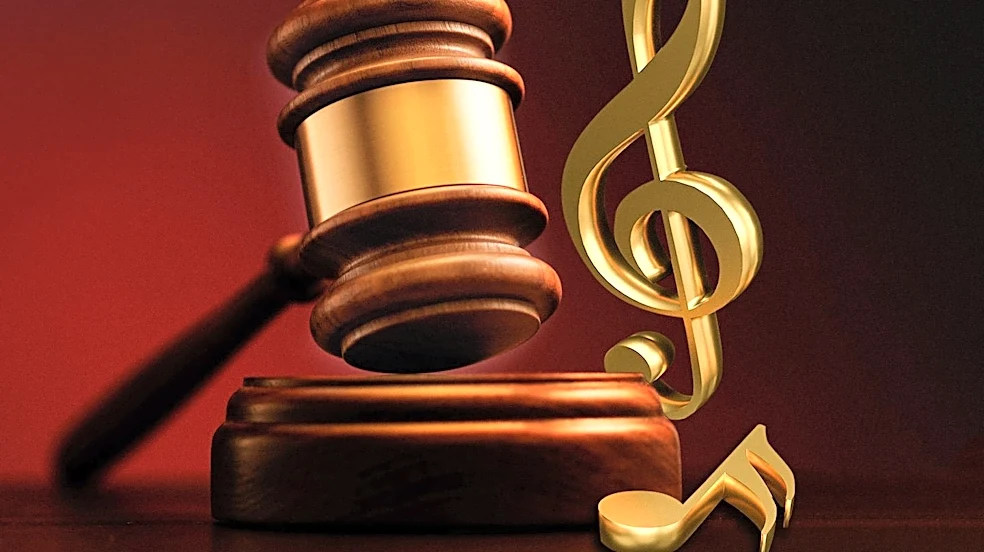
Kylie Minogue and Nick Cave are among several Australian artists whose music catalogs are reportedly being used to train artificial intelligence models without their consent or any form of payment. The International Confederation of Music Publishers has
raised concerns, accusing AI companies of lobbying Australian policymakers to establish a system that would permit the use of copyrighted material for AI training without requiring licenses. This situation highlights a growing tension between the music industry and AI developers, as AI models learn from vast amounts of existing creative works. The core issue revolves around intellectual property rights in the age of AI, where the creation of new technologies relies on existing content, often without direct compensation or permission from the original creators. This development is part of a broader global discussion on how to regulate AI's use of copyrighted content.
Why It's Important?
This issue is significant because it directly impacts the livelihoods of artists and the future of intellectual property rights in the digital age. If AI companies can freely use copyrighted music for training without licensing or payment, it could devalue creative works and undermine the economic models that support artists and the music industry. This could set a precedent for other creative fields, potentially leading to widespread unauthorized use of copyrighted material for AI development. For the U.S. music industry, which often influences global standards, the outcome of these discussions in Australia could have ripple effects, shaping future legislation and industry practices regarding AI and copyright. It also raises questions about fair compensation for creators and the ethical implications of AI development.
What's Next?
The International Confederation of Music Publishers is actively pushing back against AI companies' efforts to influence Australian policy. This suggests that a legal and policy battle is likely to unfold, with stakeholders from the music industry advocating for stronger copyright protections and fair compensation. Policymakers in Australia will face pressure to balance innovation in AI with the rights of creators. The outcome could involve new legislation or amendments to existing copyright laws to address AI training. Furthermore, this situation may prompt other countries, including the U.S., to re-evaluate their own copyright frameworks in relation to AI, potentially leading to international discussions and agreements on how to manage intellectual property in the AI era. Artists and their representatives are expected to continue to advocate for their rights.
Beyond the Headlines
Beyond the immediate financial implications, this situation touches upon fundamental ethical and philosophical questions about creativity, ownership, and the nature of artificial intelligence. If AI can learn and generate new content based on existing human creations without acknowledgment or compensation, it blurs the lines of authorship and originality. This could lead to a redefinition of what constitutes 'original work' and who benefits from it. There's also a broader societal implication regarding the value placed on human creativity in an increasingly AI-driven world. The debate extends to whether AI should be considered a tool that augments human creativity or a separate entity that can independently create, and how society should reward both. This could trigger long-term shifts in how intellectual property is conceived and protected globally.